What type of rock is Carrara marble?
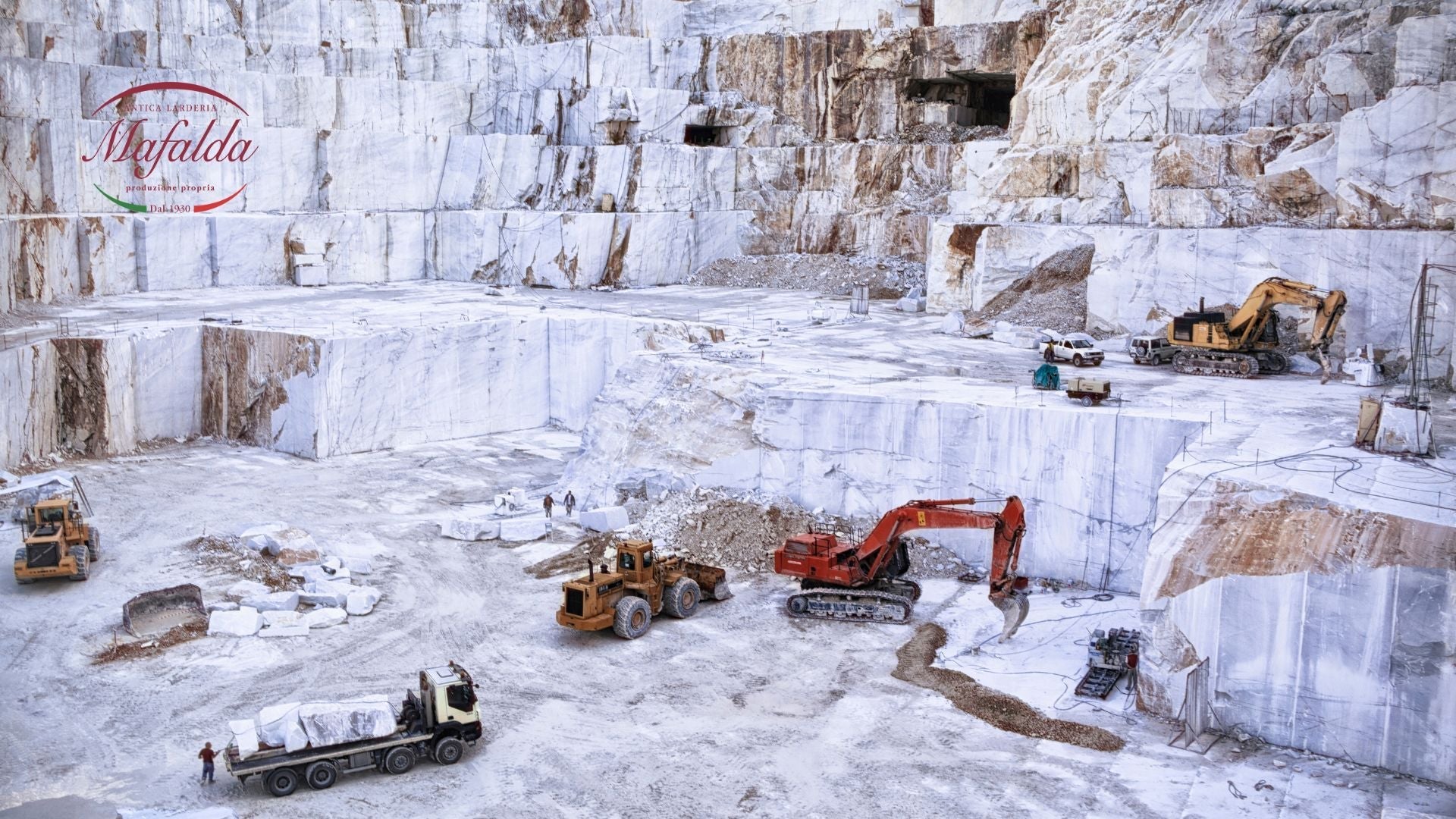
Marble has always been synonymous with elegance, art, and architecture . But behind this widely used term lies a precise geological reality: marble is not simply a "white stone," but a true metamorphic rock . And the marble quarried in Carrara, one of the most famous in the world, is the perfect example to understand what type of rock we're talking about.
Answering the question “What type of rock is Carrara marble?” means entering the heart of the geology of the Apuan Alps and understanding how ancient marine sediments have transformed , over millions of years, into one of the most prized materials for sculpture, construction, and design.
Marble: a metamorphic rock, not just a simple white “stone”
From a geological perspective, marble is a metamorphic rock resulting from the transformation of pre-existing limestone or dolomite . These carbonate rocks, originally formed from marine sediments rich in calcium carbonate, are subjected to high pressures and temperatures within the Earth's crust . This process, called metamorphism, rearranges the calcite (and sometimes dolomite) crystals into a new, more compact structure, giving rise to marble.
In the case of Carrara marble, the source rock consisted of thick layers of marine limestone. Over time, tectonic activity and the uplift of the Apuan Alps transformed these sediments into a homogeneous crystalline mass . The result is a fine or medium-fine grained marble , with a characteristic white or greyish-white colour, with darker veins due to mineral impurities present in the original limestone.
This crystalline structure is what allows marble to be polished to a particular shine, unlike that of many other rocks . It is also what makes marble a relatively soft rock compared to other stones, yet resistant and workable : essential qualities for sculpture and architectural decoration.
How to recognize marble (and Carrara marble) compared to other stones
In common usage, the word "marble" is sometimes used loosely to refer to any polishable stone, even when it isn't geologically true marble. In reality, authentic marble is composed predominantly of calcite and can be recognized by several key characteristics:
The surface has a crystalline appearance , with a "sugary" texture visible when observing the rock closely; marble reacts to acids (such as simple vinegar) with a slight effervescence, precisely because it is rich in calcium carbonate; the sound it produces when tapped lightly is full and compact , different from that of more porous stones.
The prized Carrara marble , in particular, is often called "the marble par excellence" due to its historical popularity and its highly recognizable appearance : a white or grayish-white background and light gray or darker gray veining, distributed more or less densely depending on the variety. The quarries are located in the Apuan Alps, in the Carrara, Massa, and surrounding areas, and it is precisely its geographic origin, combined with its texture, that distinguishes it from similar marbles from other regions.
From a commercial point of view, not everything sold as “marble” is marble in the strict sense, but in the case of Carrara marble , geology and tradition agree : it is a true metamorphic marble, known and classified as such even in the scientific field.
Carrara marble and its unique identity
If we look at marble simply as a rock, we might say it's "simple" transformed calcium carbonate. But in the specific case ofCarrara marble, something more comes into play: a combination of geological, historical, and cultural factors that make it unique. The particular conditions of the Apuan Alps, the quality of the ancient marine limestone, the type of metamorphism, and the long tradition of extraction have produced an extremely fine-grained marble, highly prized by sculptors for its ability to achieve extremely precise details.
It's no coincidence that great artists like Michelangelo chose Carrara for many of their works, and that even today the marble quarried in this area is sought after throughout the world . If you'd like to learn more about the aesthetic and symbolic value of this material, you can also read our article on fine Carrara marble , where we explain how geology and history have contributed to its fame.
Marble, Colonnata, and Colonnata Lardo: When Rock Enters the Kitchen
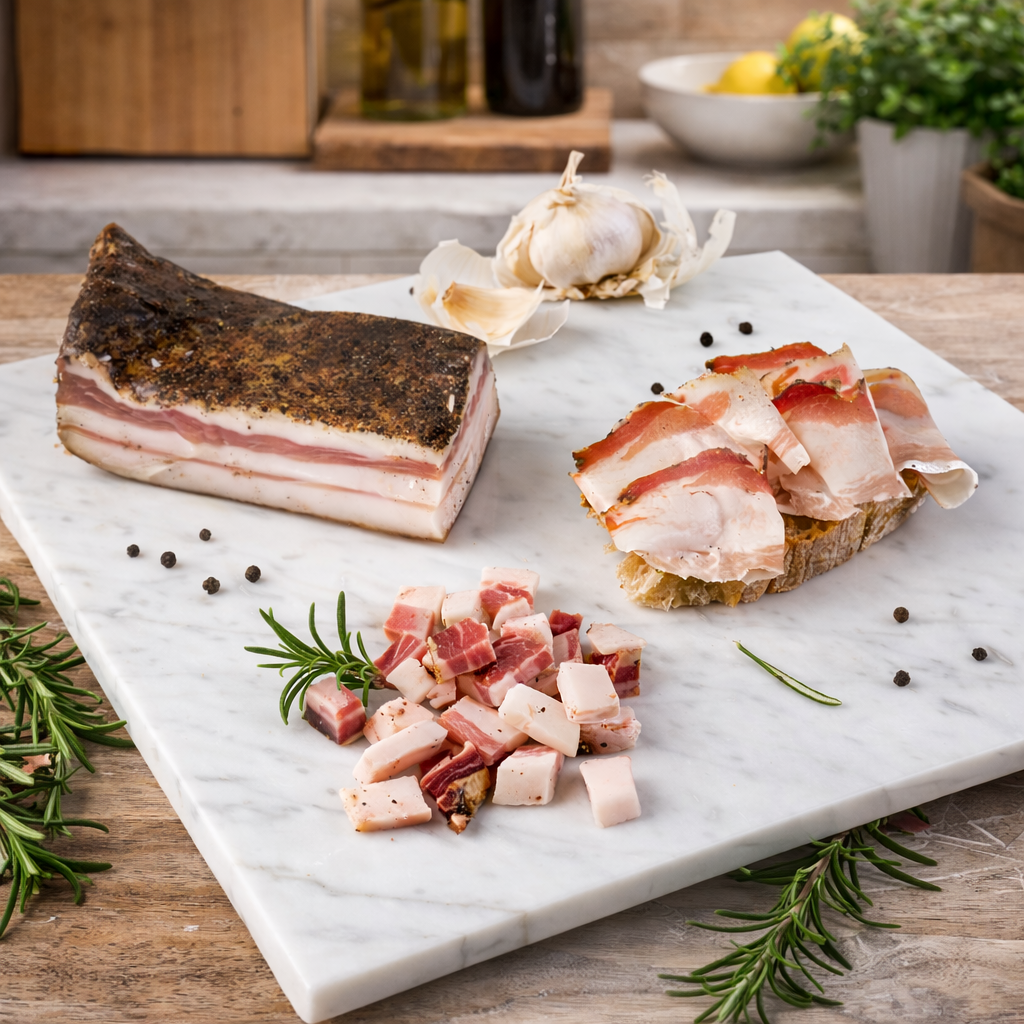
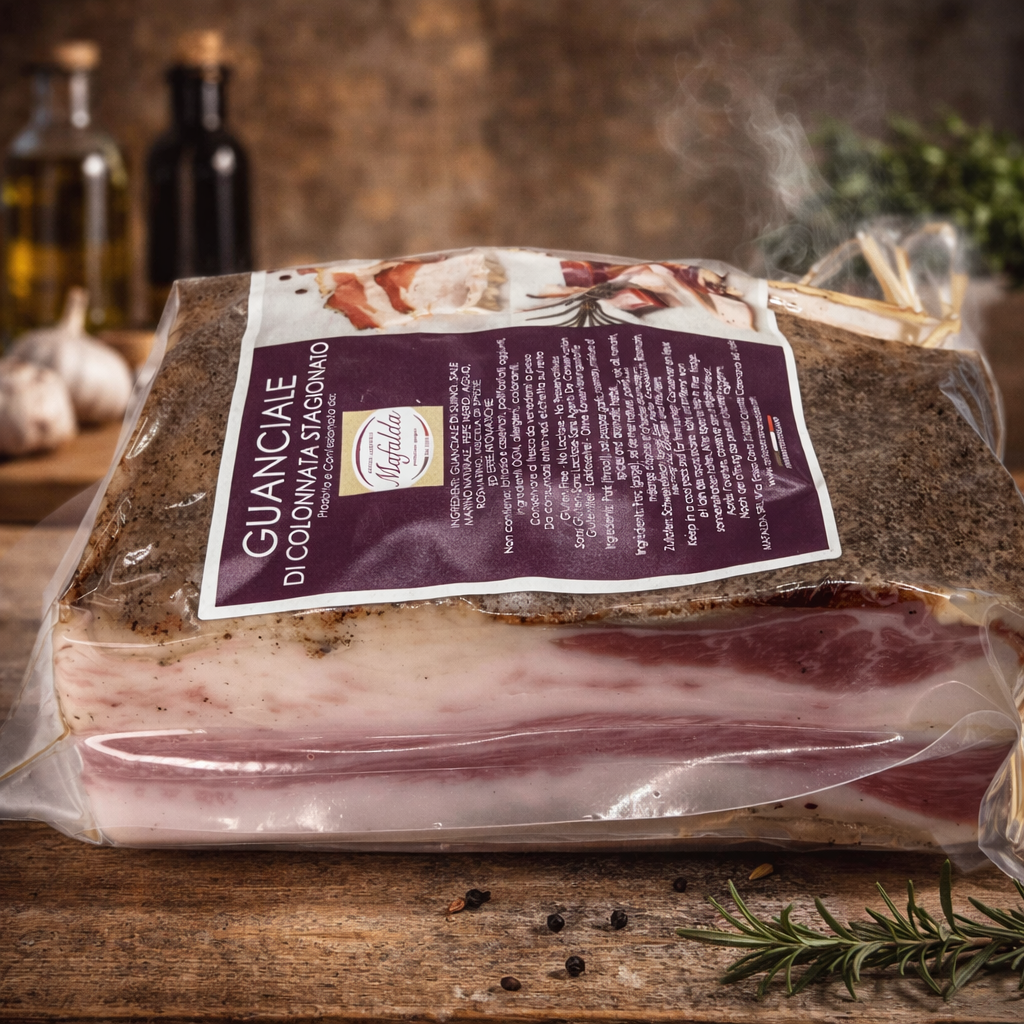
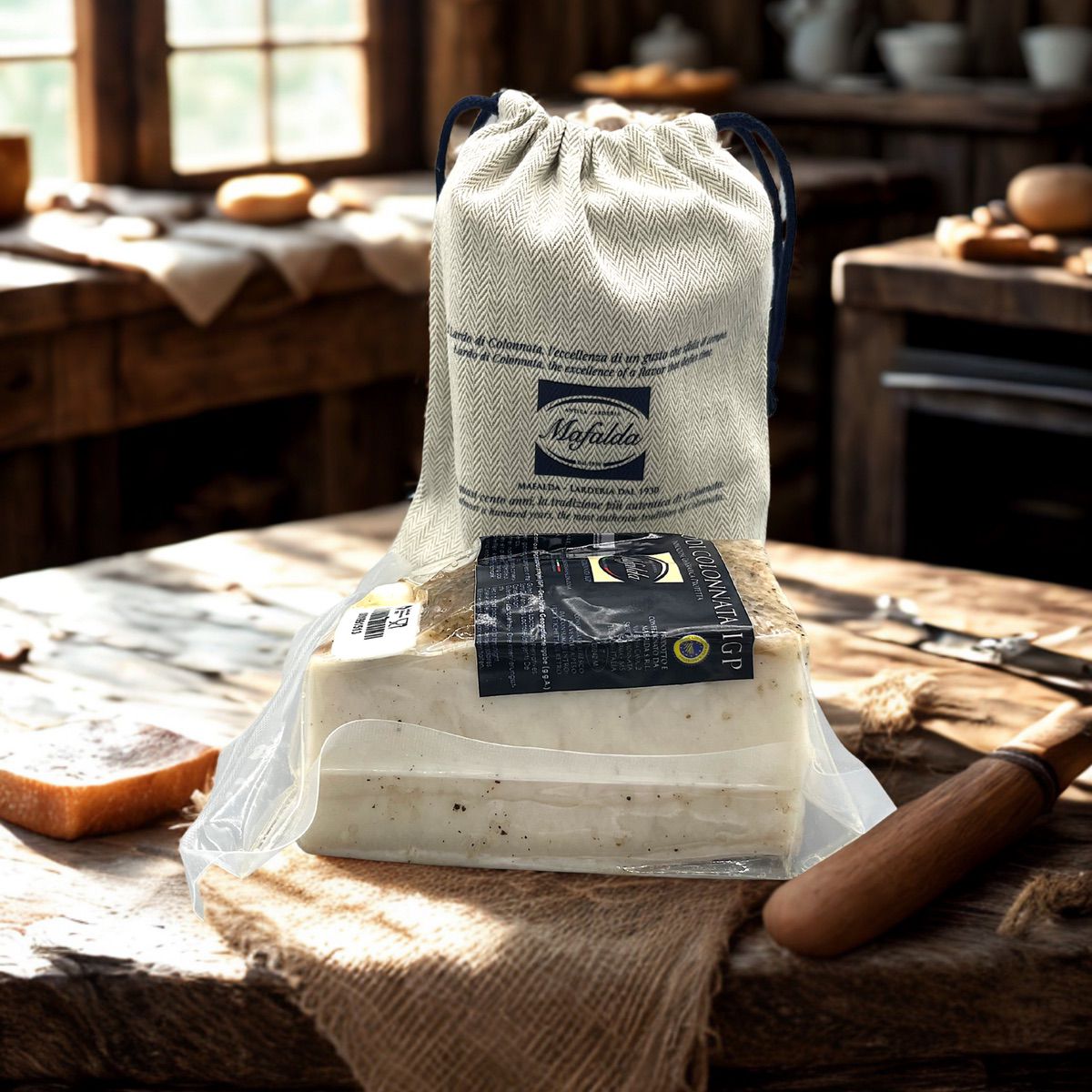
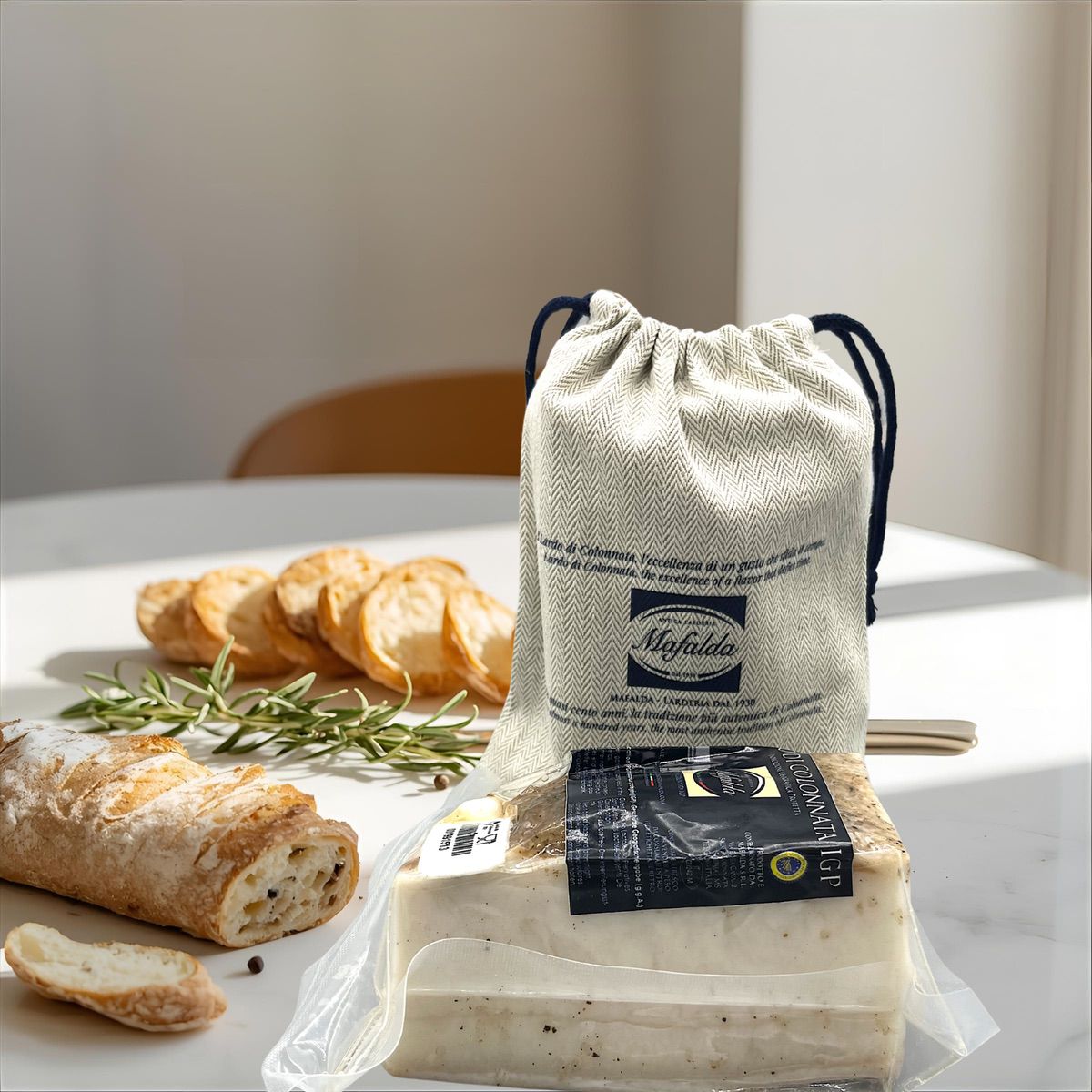
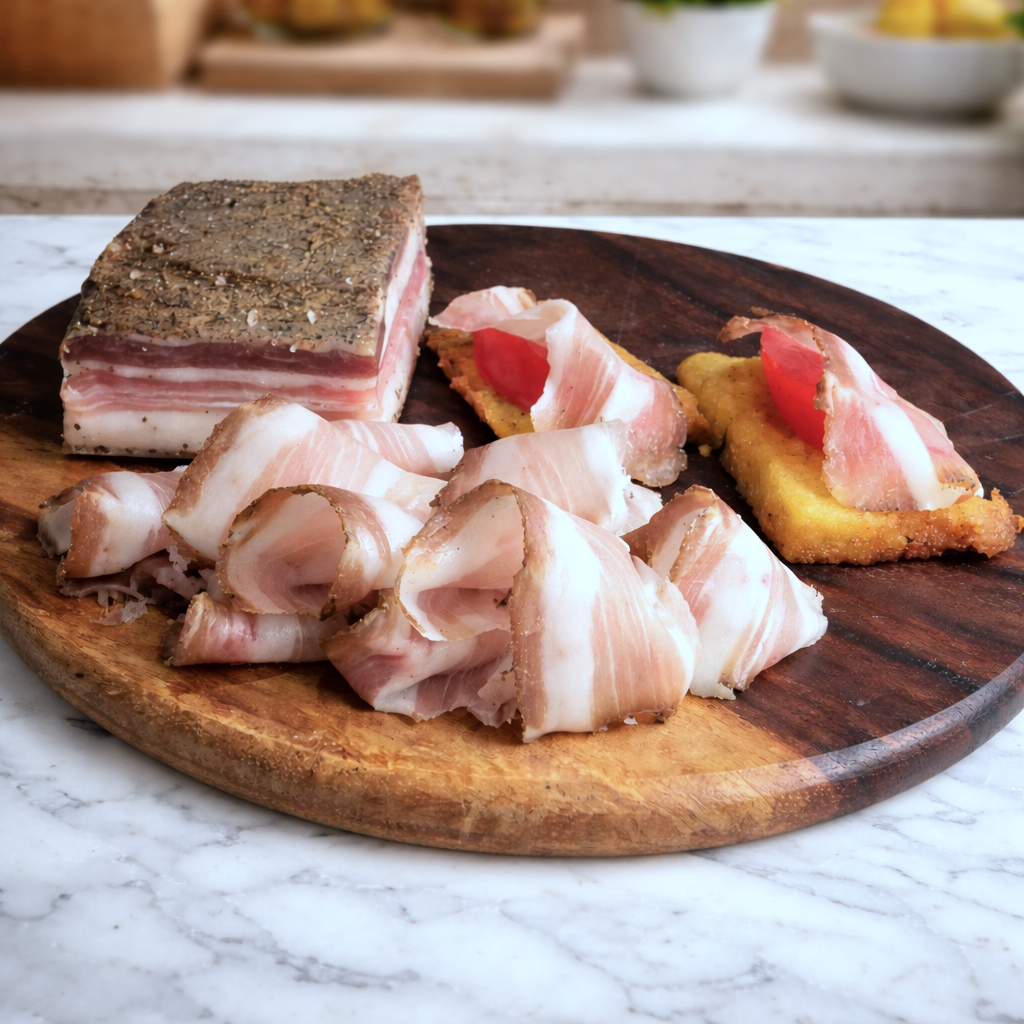
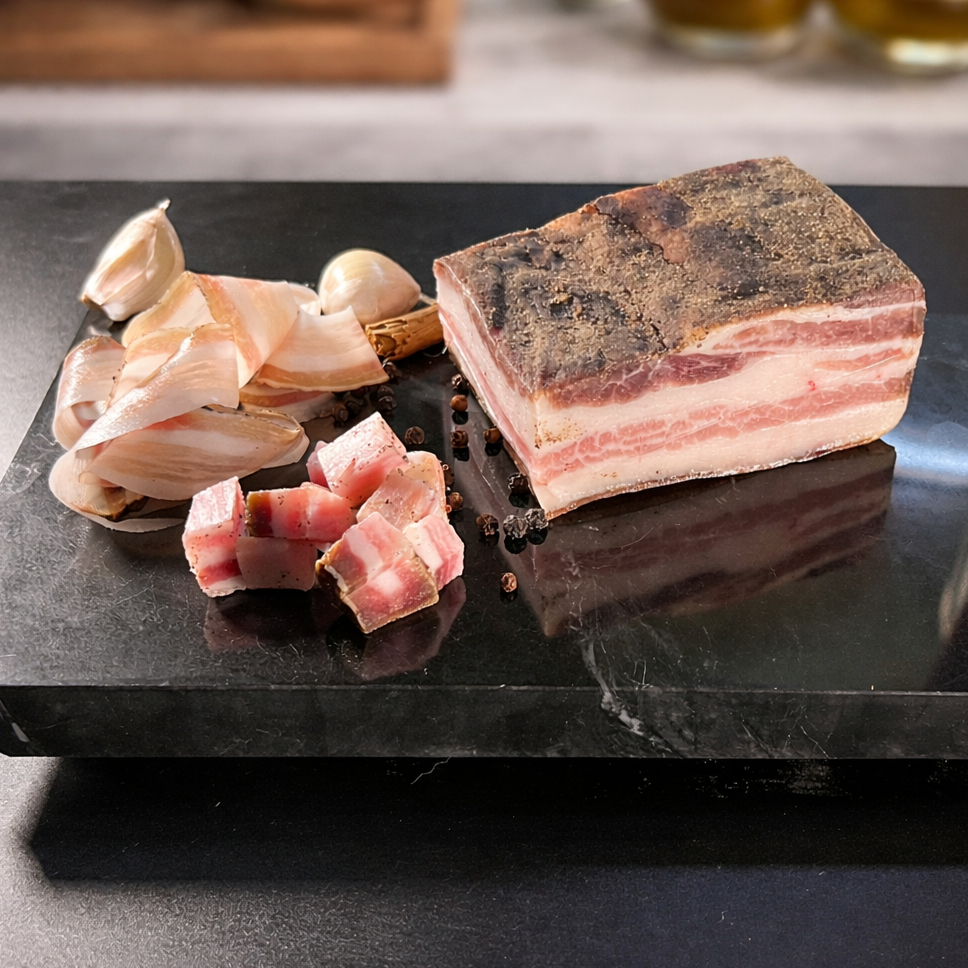
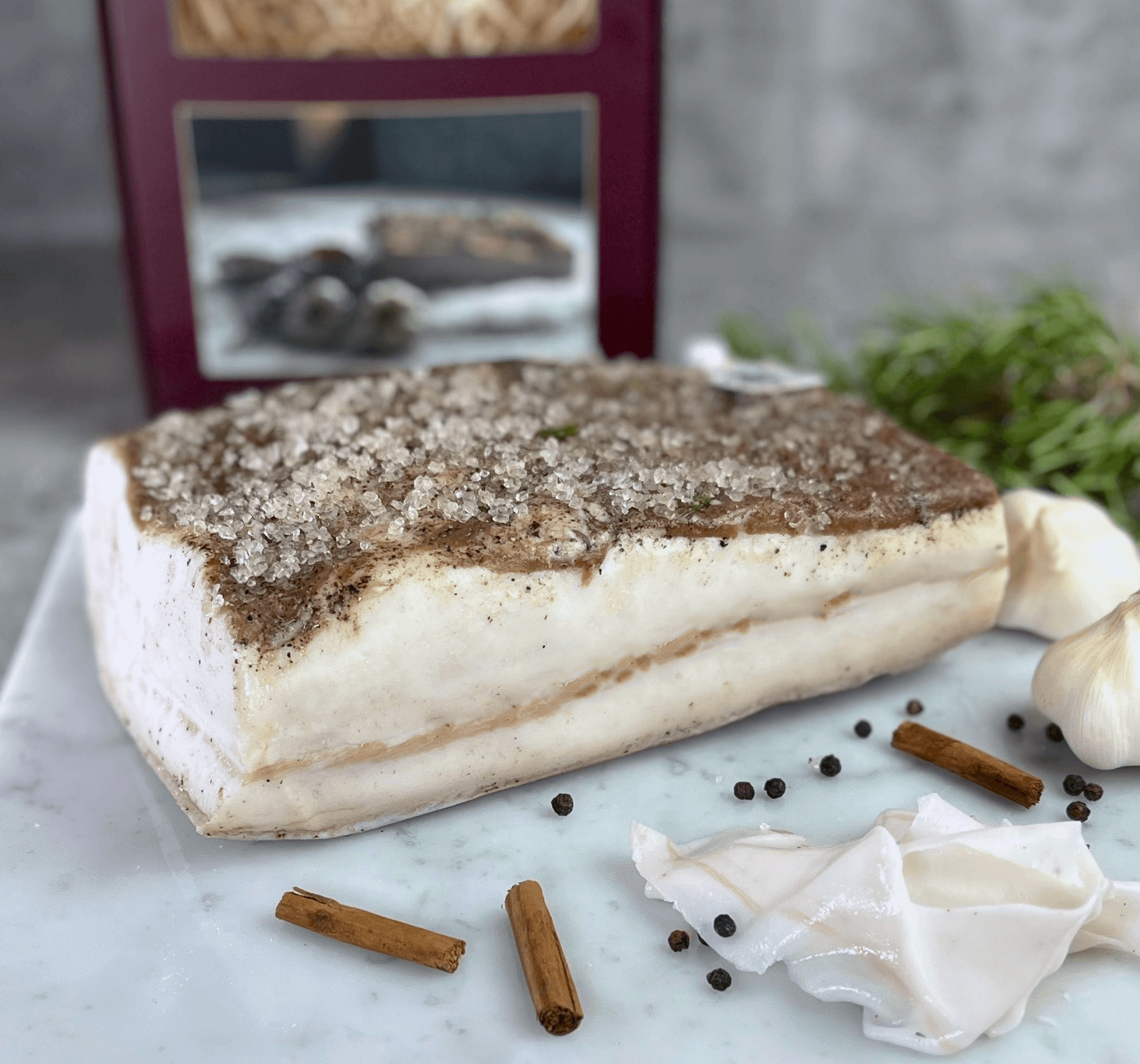
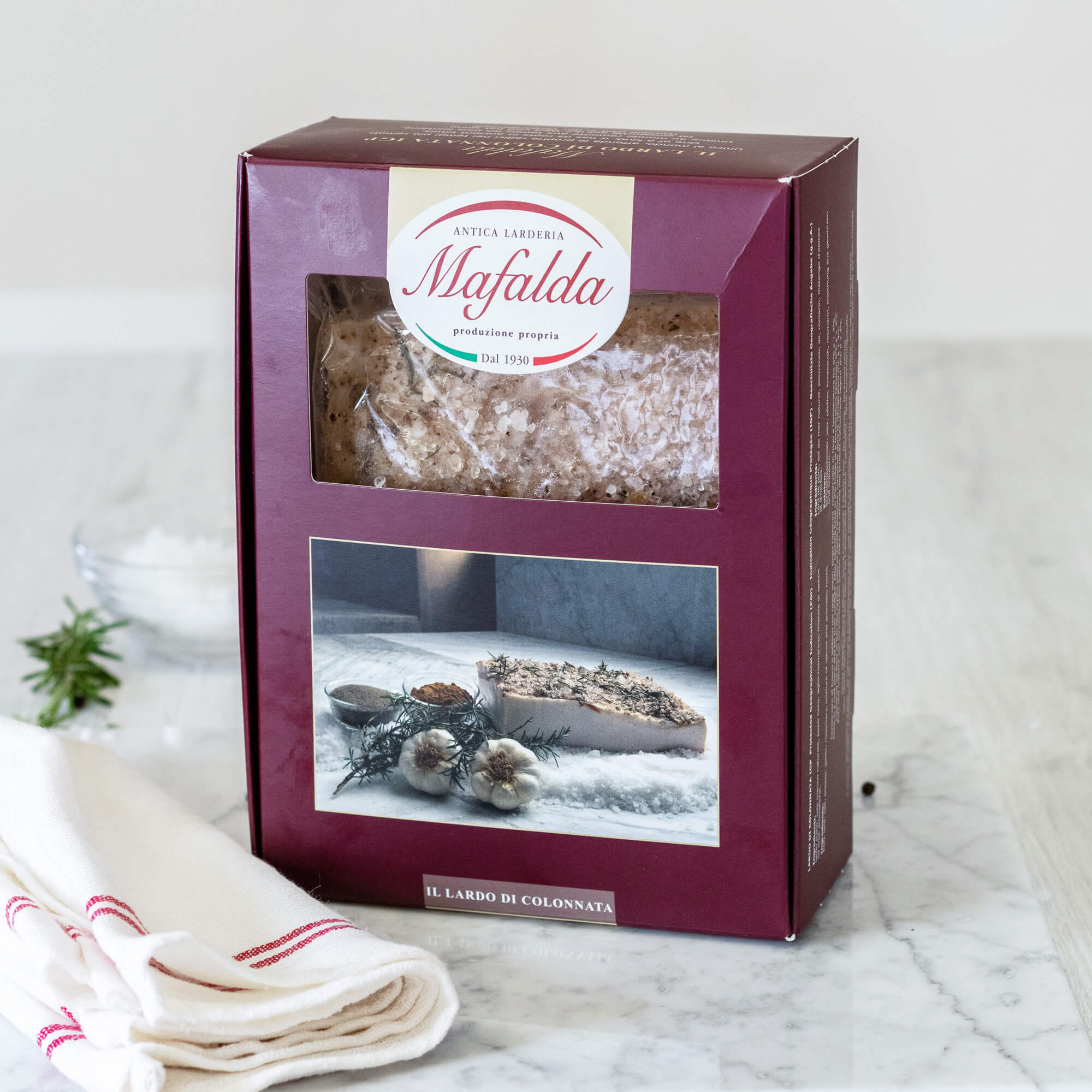
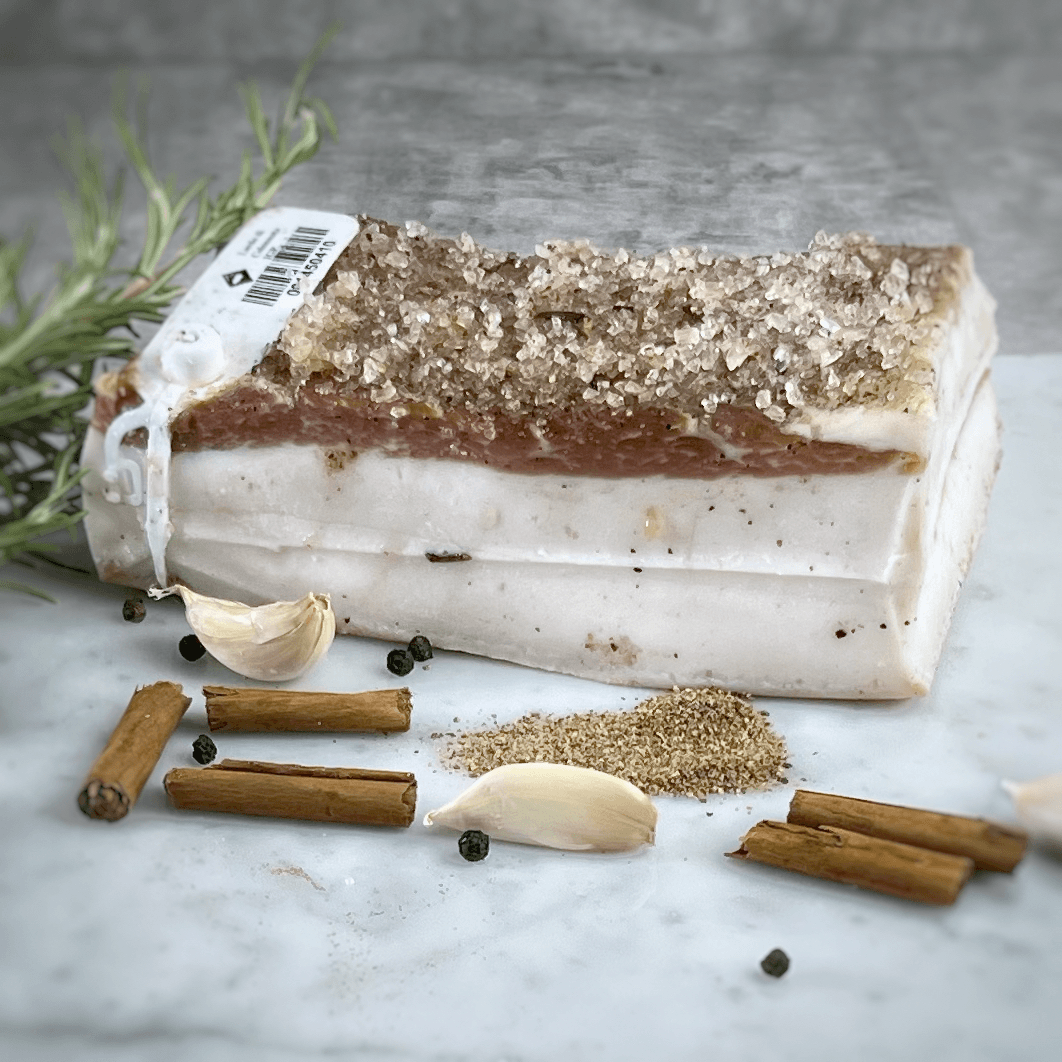
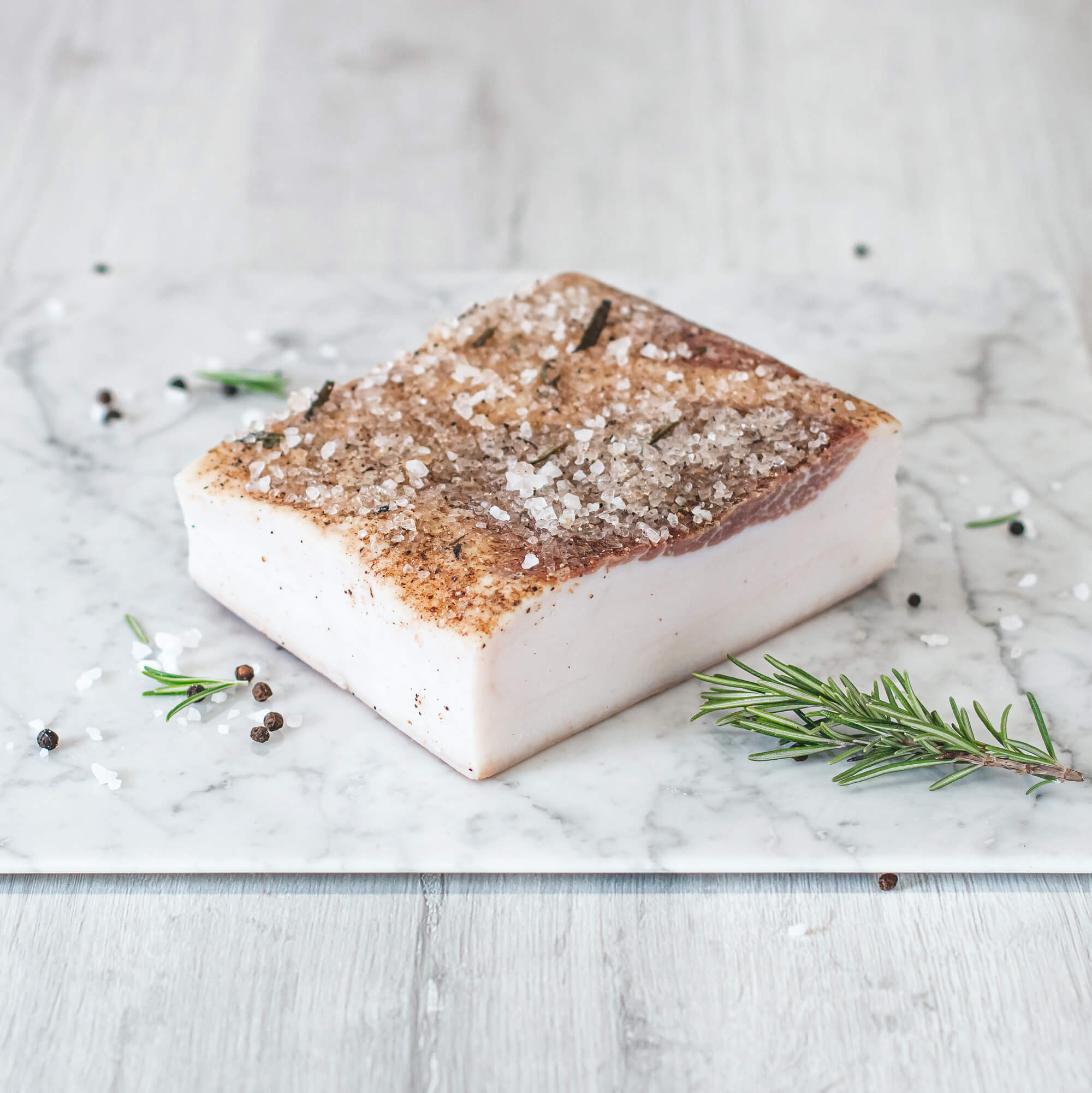
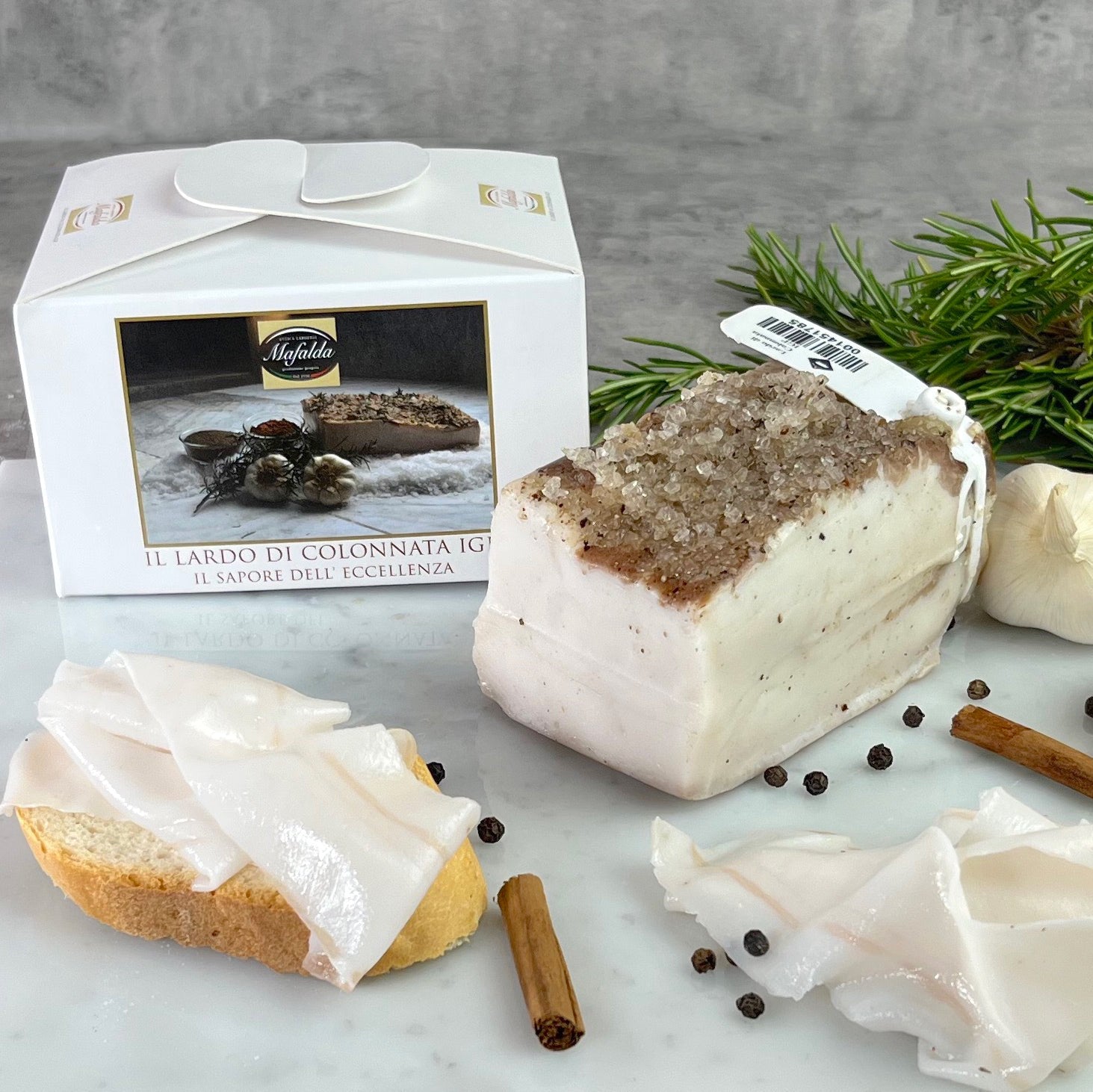
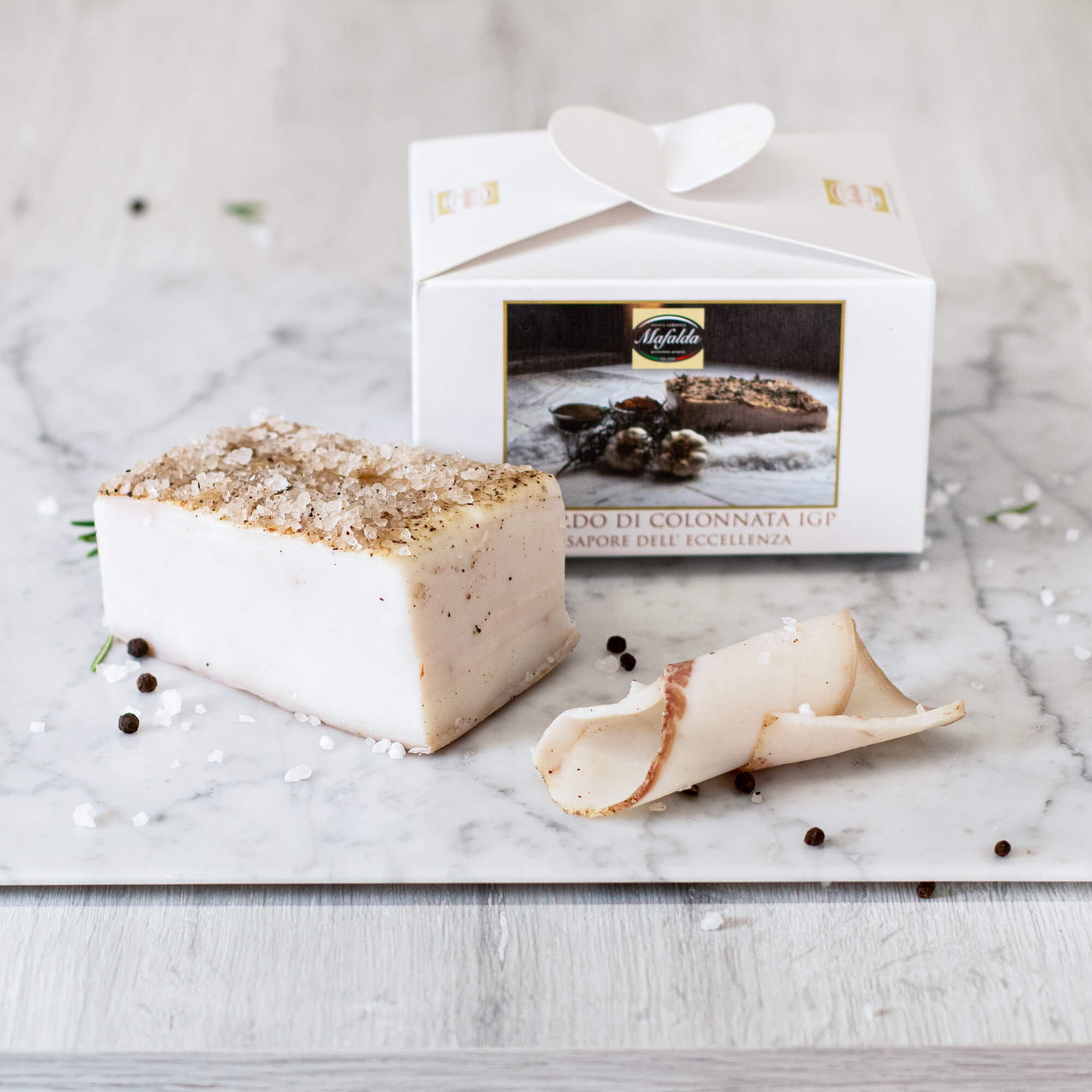
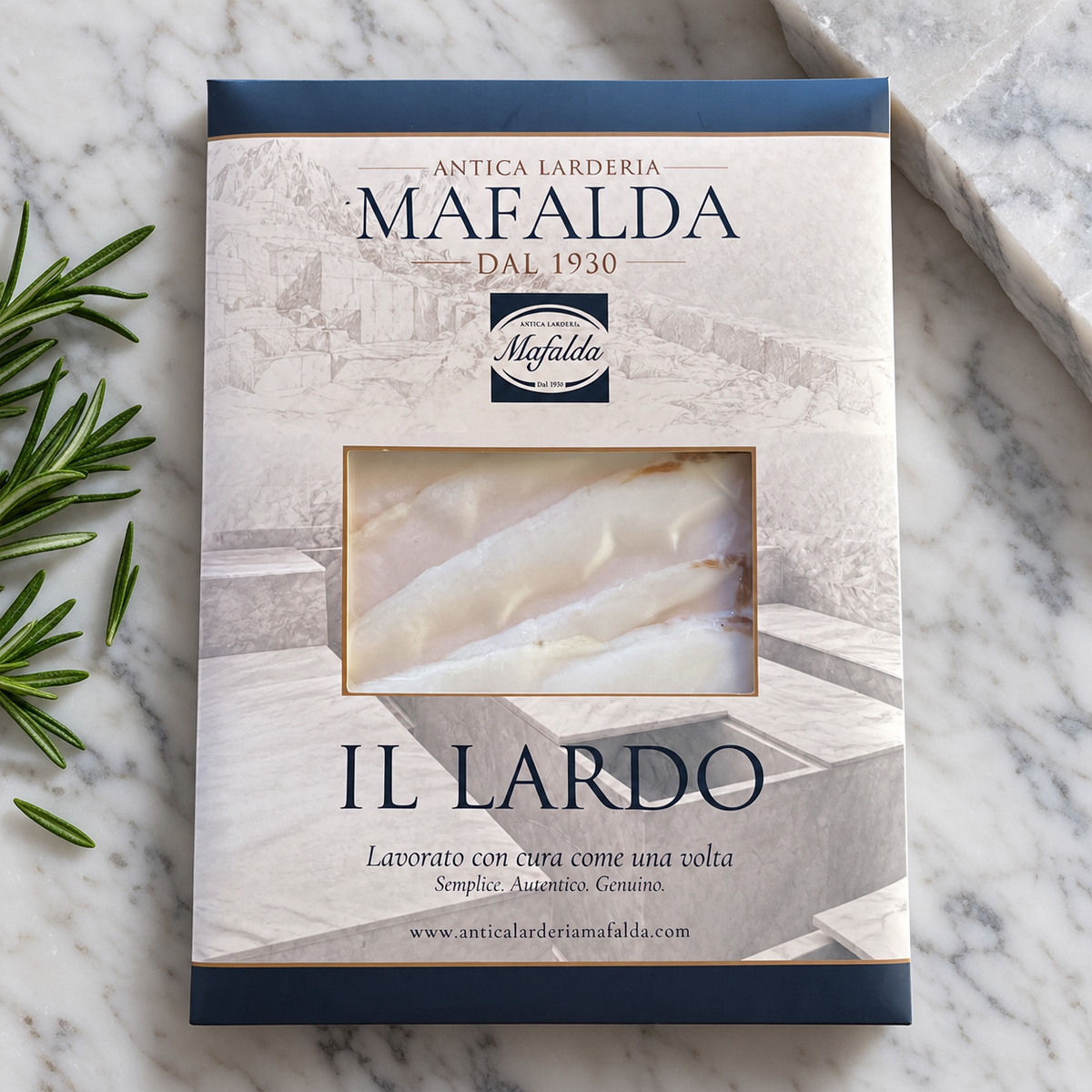
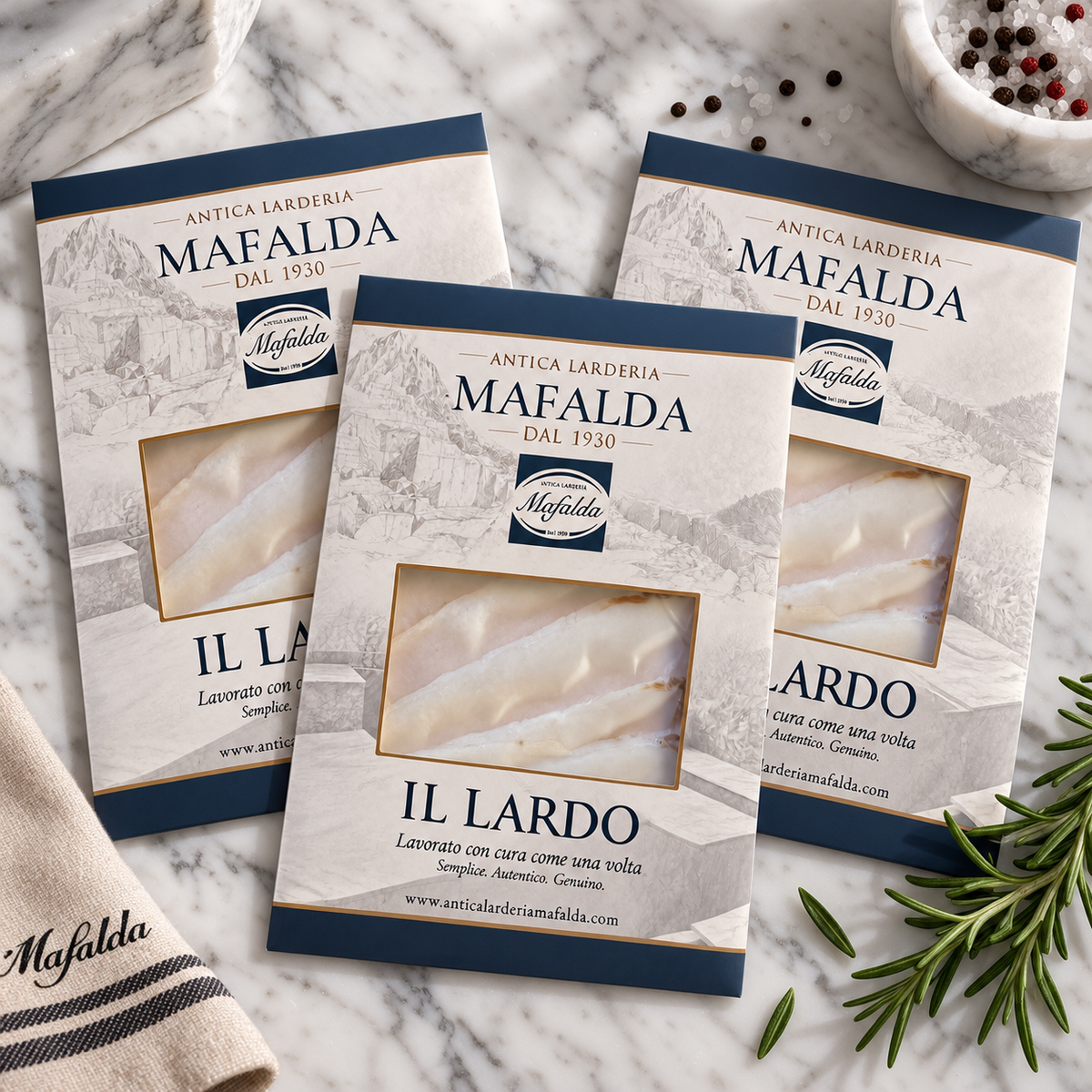
There's a fascinating aspect of Carrara marble that goes beyond art and architecture: its presence in the local gastronomic tradition . In the village of Colonnata , suspended between the quarries and the valley, marble is not just a landscape, but an integral part of the curing process of the famous Colonnata lardo .
The marble basins in which the lard is placed are not simple containers, but exploit the very physical characteristics of marble : chemical inertia, the ability to maintain a relatively stable temperature, and controlled transpiration. It is a perfect example of how a metamorphic rock, born millions of years ago from the depths of the Earth, can become a protagonist not only in art galleries, but also on our tables .
Understanding the type of rock Carrara marble is therefore a matter of connecting geology, craftsmanship, art, and gastronomy. Marble is more than just "a beautiful stone," but the product of a long natural history that, in the case of the Apuan Alps, is intertwined with human labor, local culture, and traditional products that could not exist in the same way without this extraordinary material.


Leave a comment
This site is protected by hCaptcha and the hCaptcha Privacy Policy and Terms of Service apply.