Contraindications of Colonnata Lard: Who should avoid it?
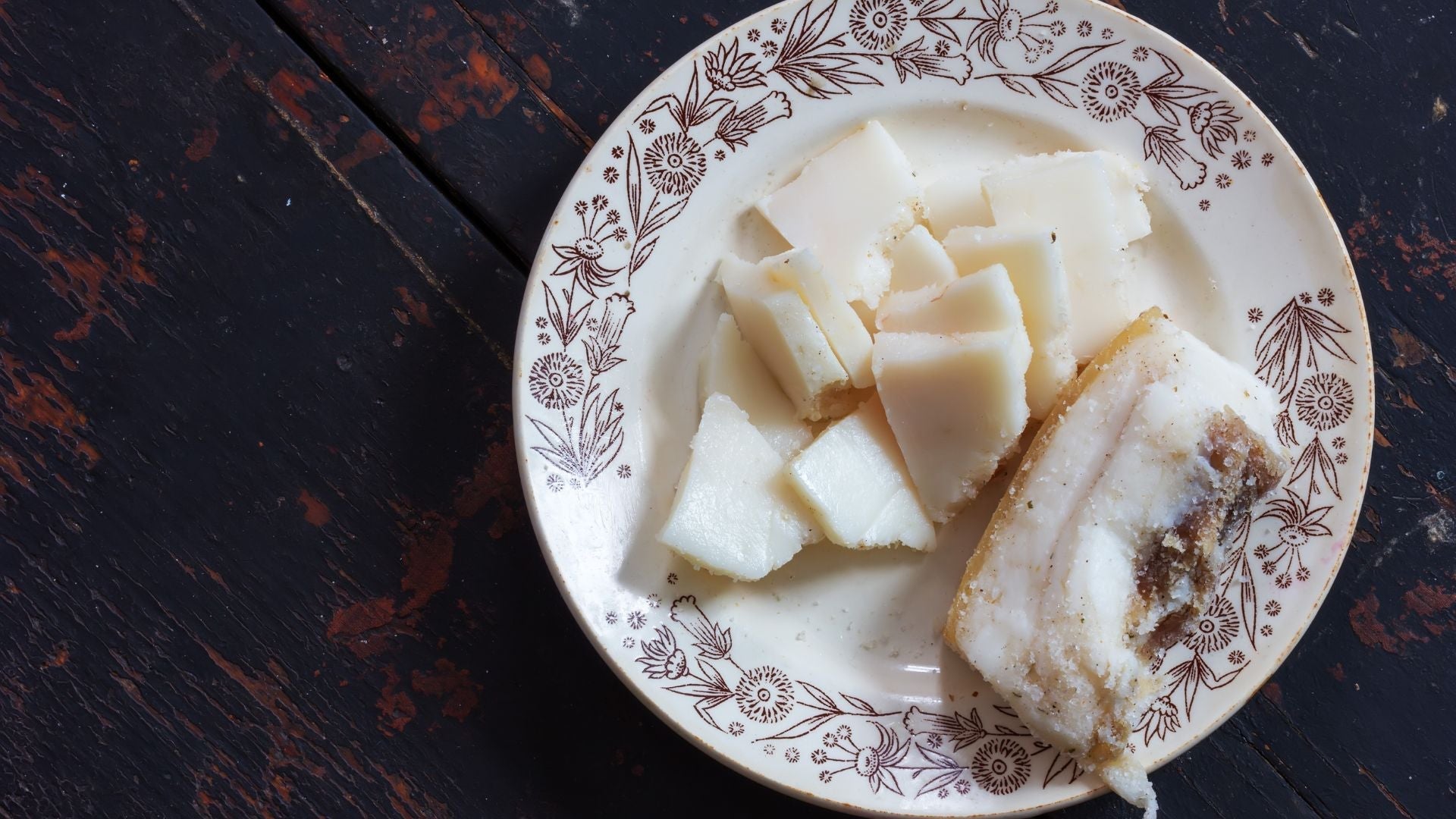
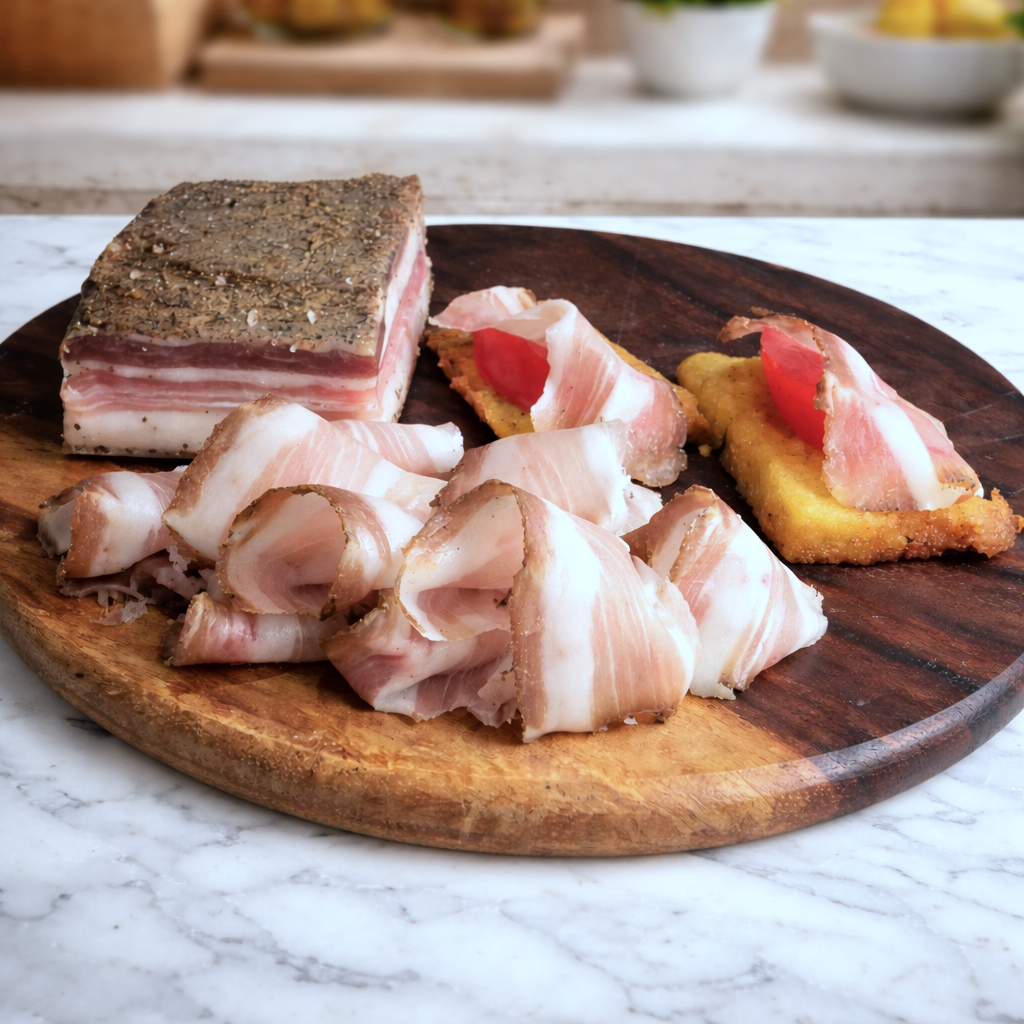
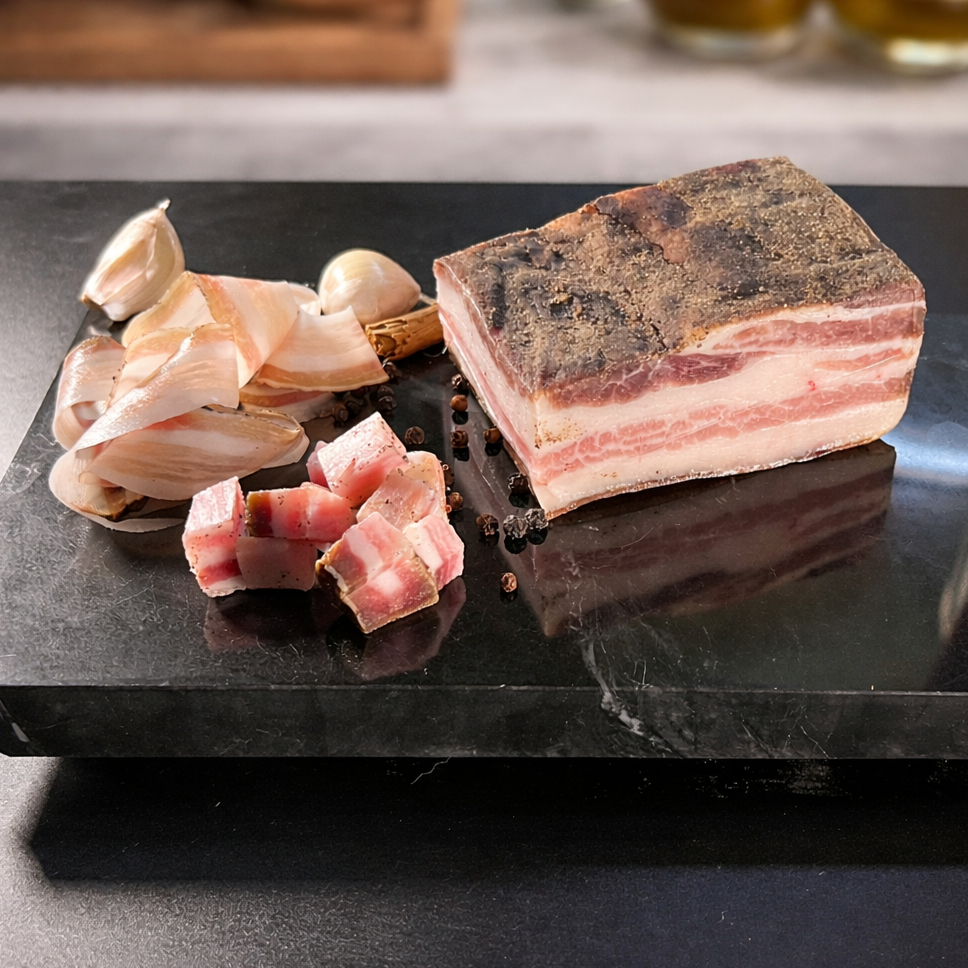
Lardo di Colonnata is an Italian culinary delicacy, prized for its unmistakable flavor and artisanal production . Thanks to its soft texture and unique aroma, it is often considered a luxury product, perfect for enhancing appetizers and traditional dishes. However, it is not suitable for everyone and, like any other high-fat food, must be consumed with caution. Let's explore its main contraindications and who should limit its consumption.
Colonnata Lard and Cholesterol: A Problem?
Lardo di Colonnata is naturally rich in fats , many of which are saturated . However, it also contains a good percentage of monounsaturated fatty acids , such as oleic acid, known for its beneficial effects on cholesterol. The problem arises when saturated fat consumption is excessive or included in a diet already rich in high-fat foods.
For this reason, those suffering from high cholesterol or other cardiovascular diseases should consume it in moderation , avoiding combining it with other foods high in cholesterol and animal fats. A balanced consumption, combined with a healthy lifestyle, can reduce risks and allow you to enjoy its flavor without negative consequences. If you'd like to learn more about the relationship between lard and cholesterol , we've already debunked some myths on the topic.
Watch out for high blood pressure
One of the key ingredients of Lardo di Colonnata is sea salt , used during the curing process to preserve its characteristics and enhance its flavor. However, excessive salt consumption is linked to increased blood pressure, a risk factor for hypertension and cardiovascular disease .
Those with high blood pressure should limit their consumption of lard and other salty foods, opting for low-sodium alternatives. A simple way to reduce the impact of salt is to combine it with potassium-rich foods , such as bananas, spinach, or potatoes, which help balance blood pressure.
Not suitable for all diets
Because it's made from pork , Lardo di Colonnata isn't compatible with certain dietary and religious beliefs. In particular, it's not suitable for vegetarians or vegans , as it contains only animal fat.
Furthermore, for religious reasons, lard is not suitable for those who follow Jewish, Muslim, and Hindu dietary precepts. These restrictions stem from the dietary rules of each tradition, which prohibit the consumption of pork and pork products.
Lard and low-calorie diets
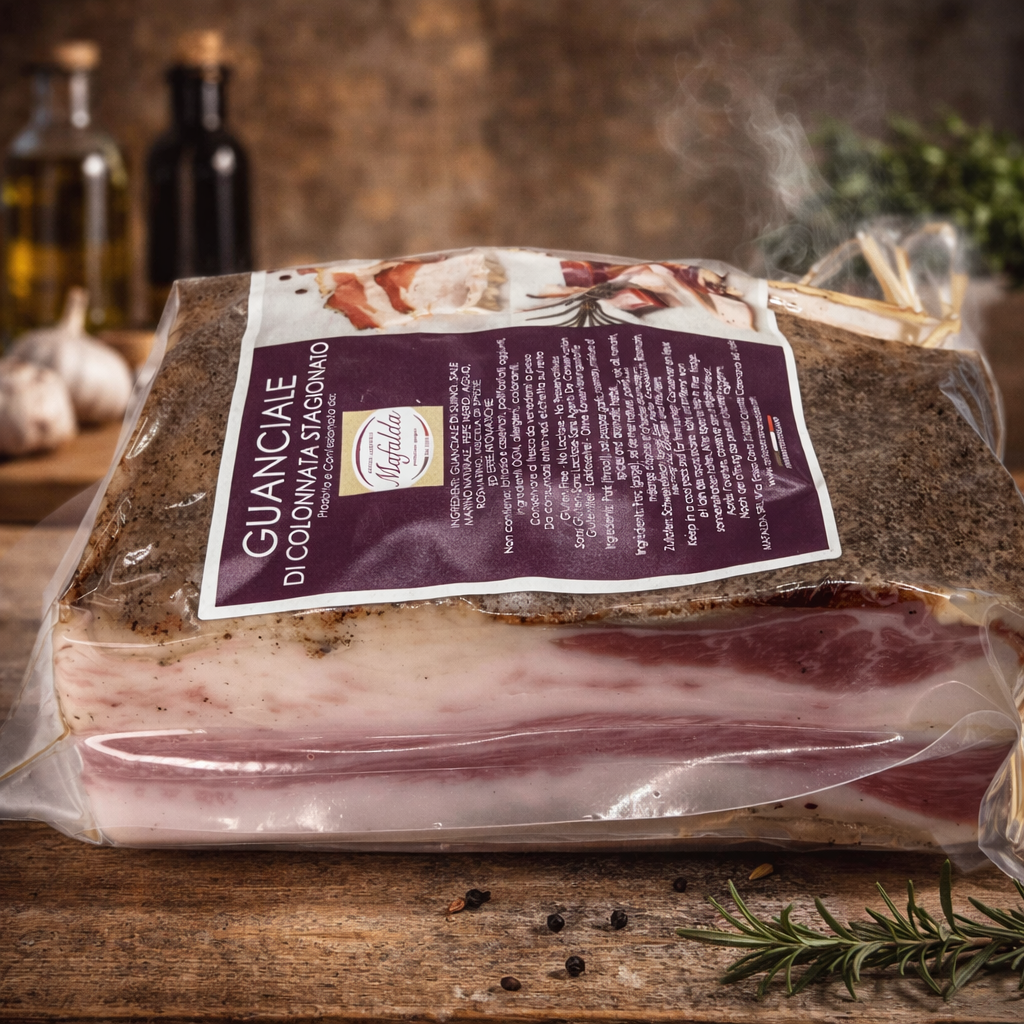
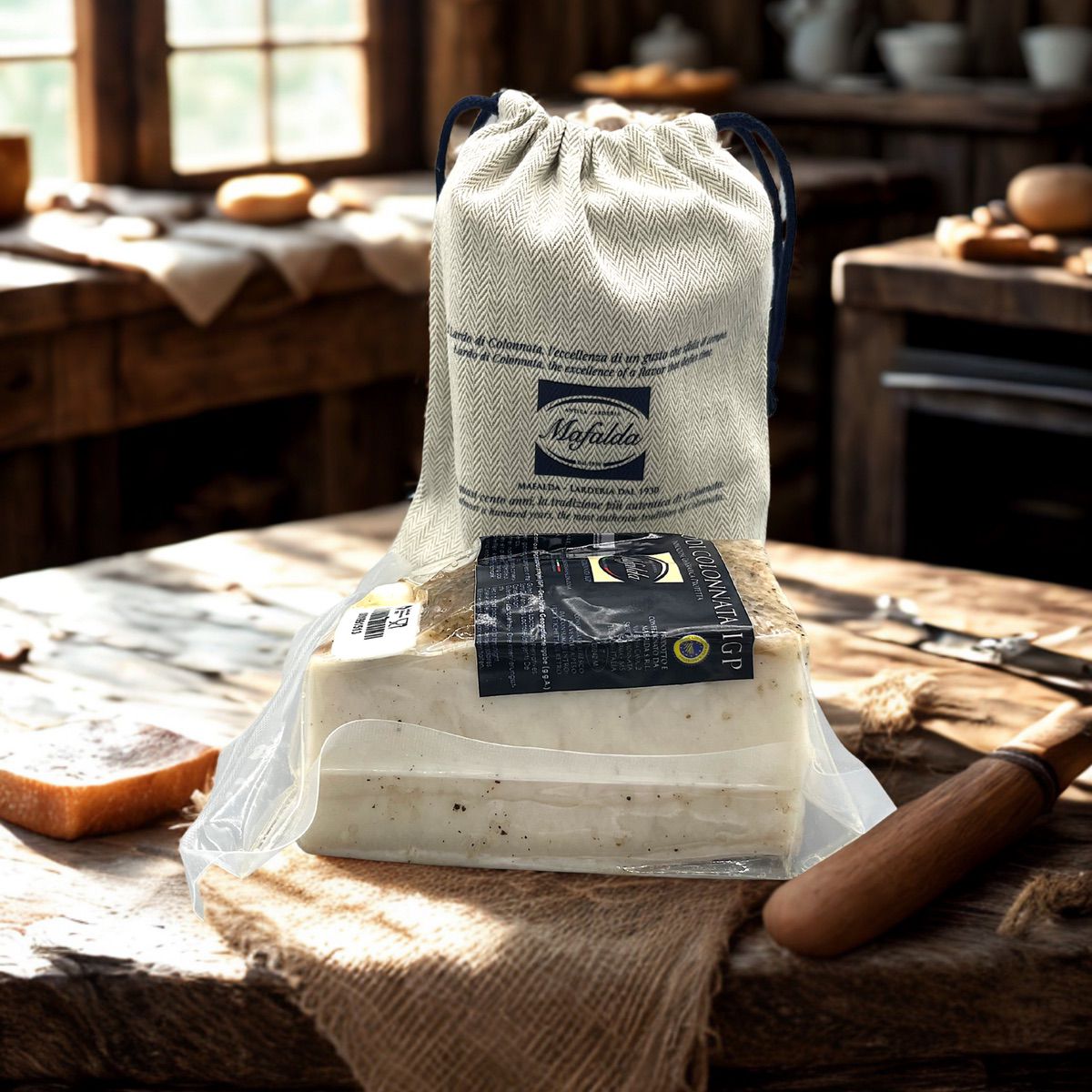
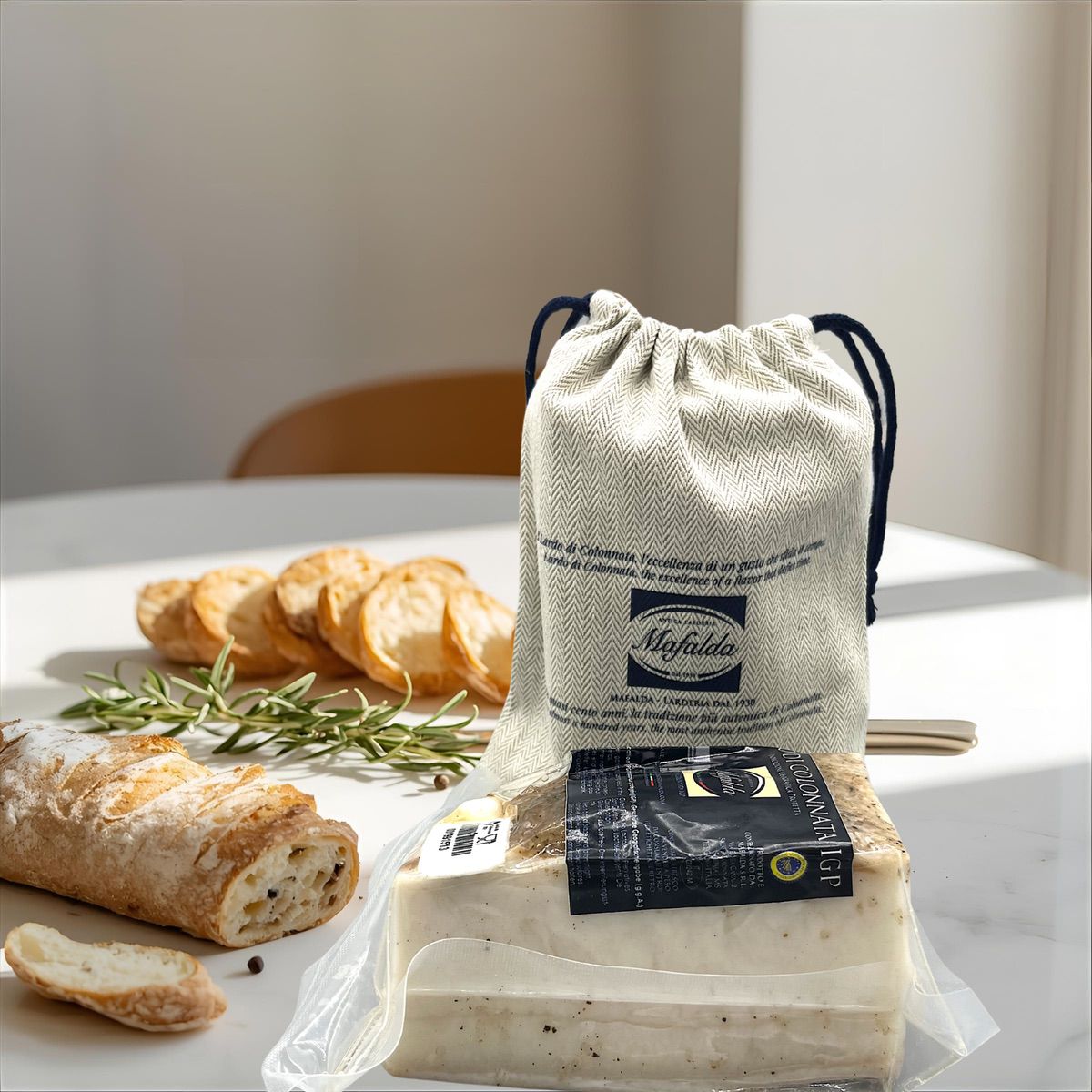
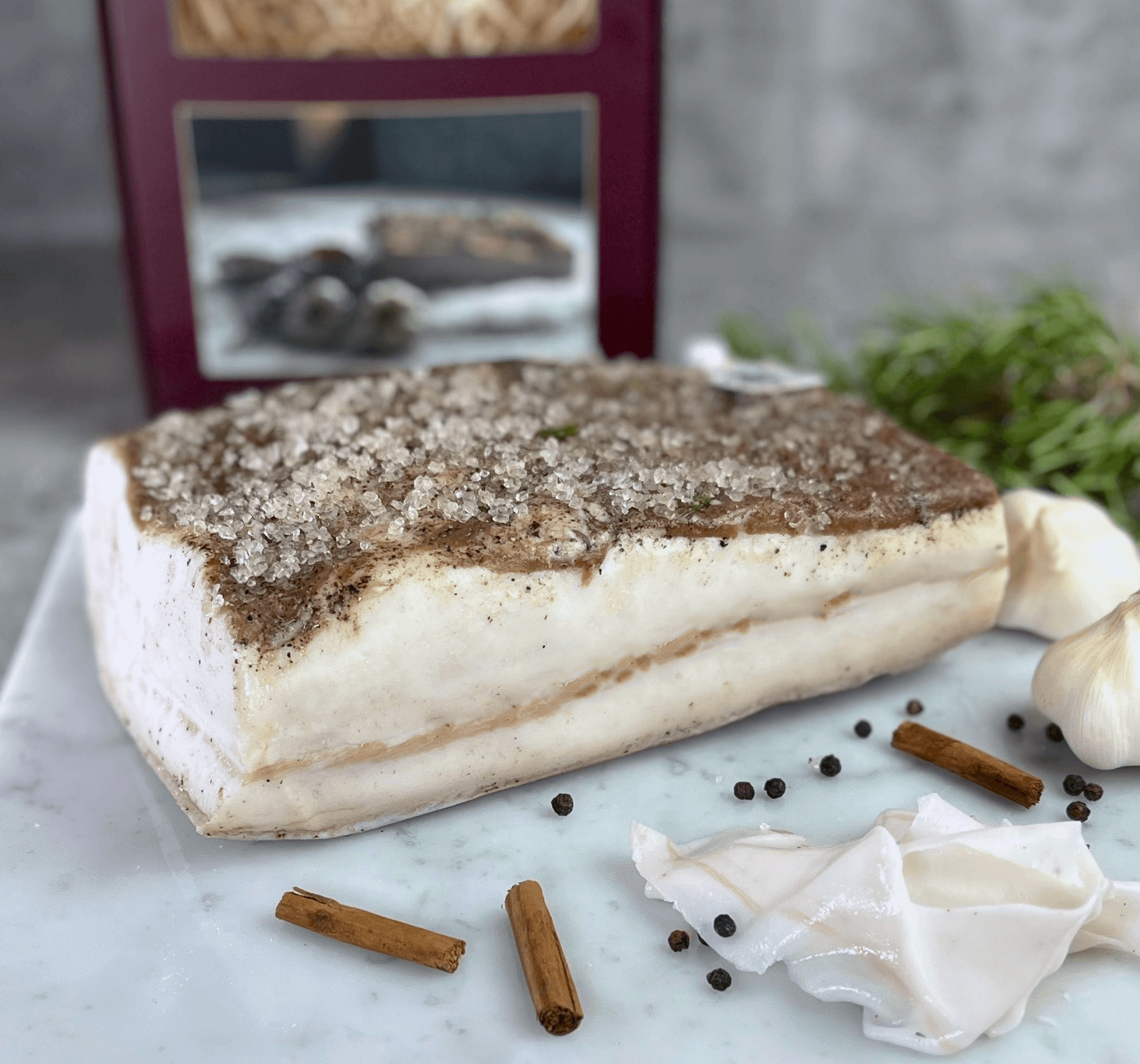
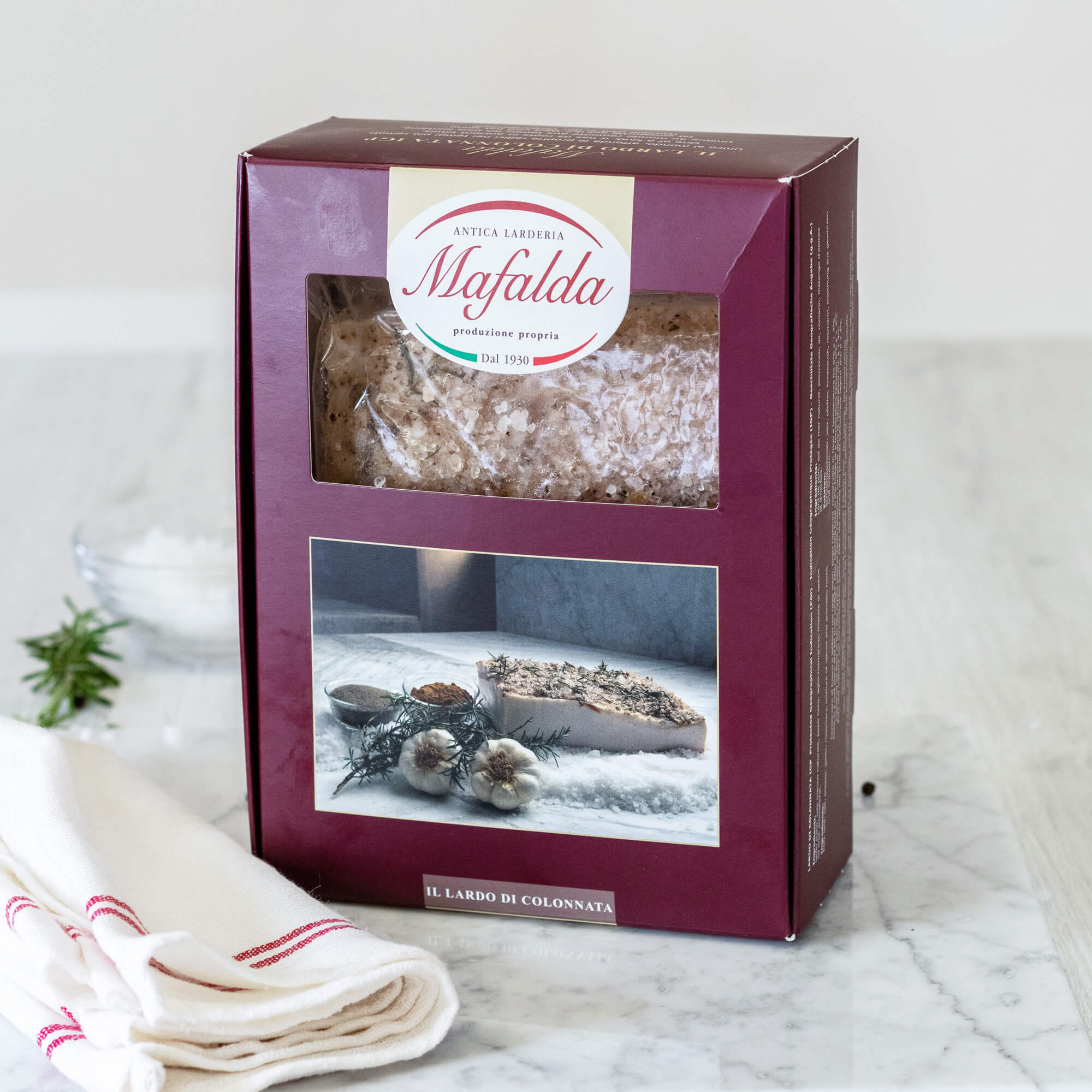
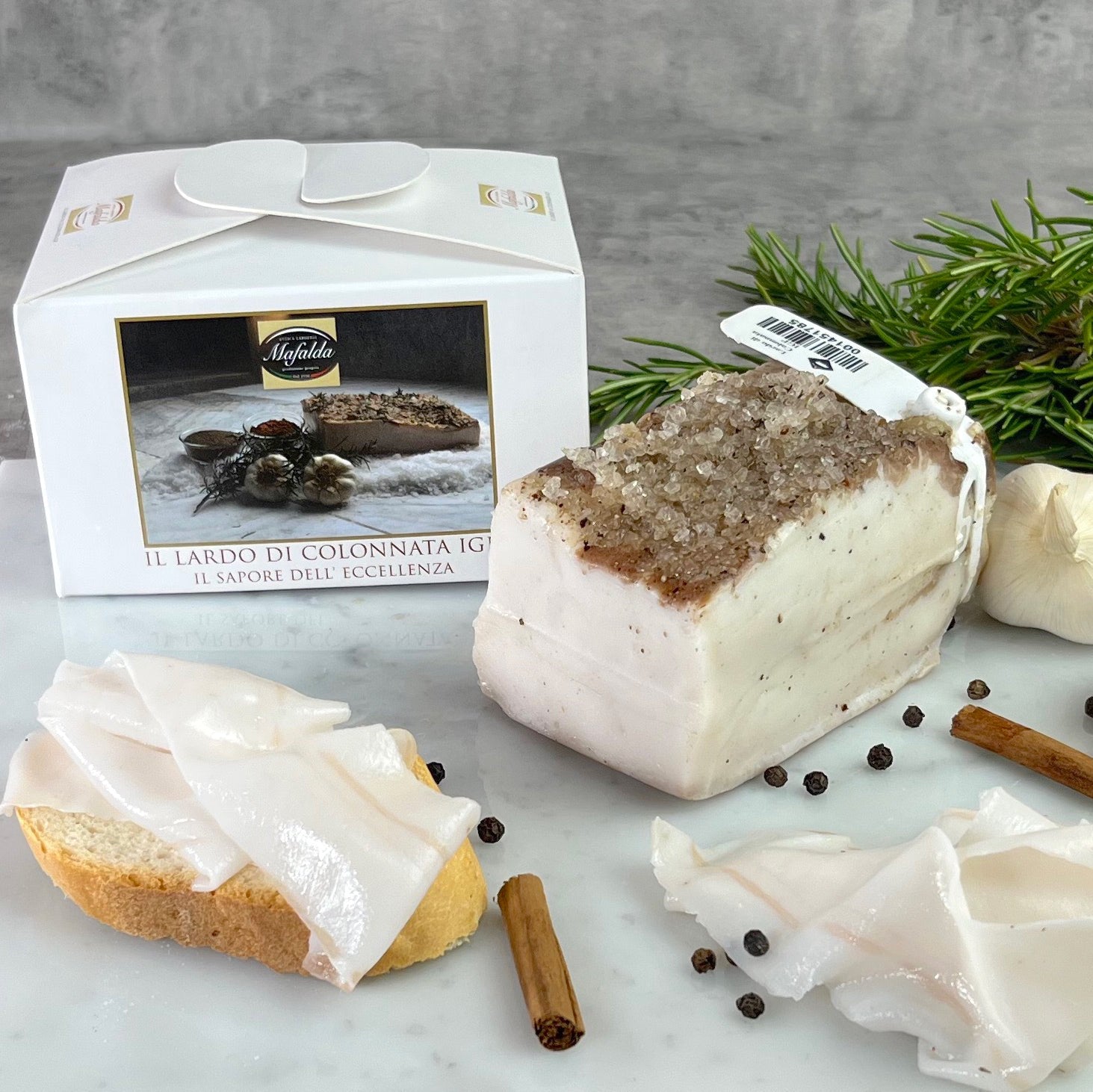
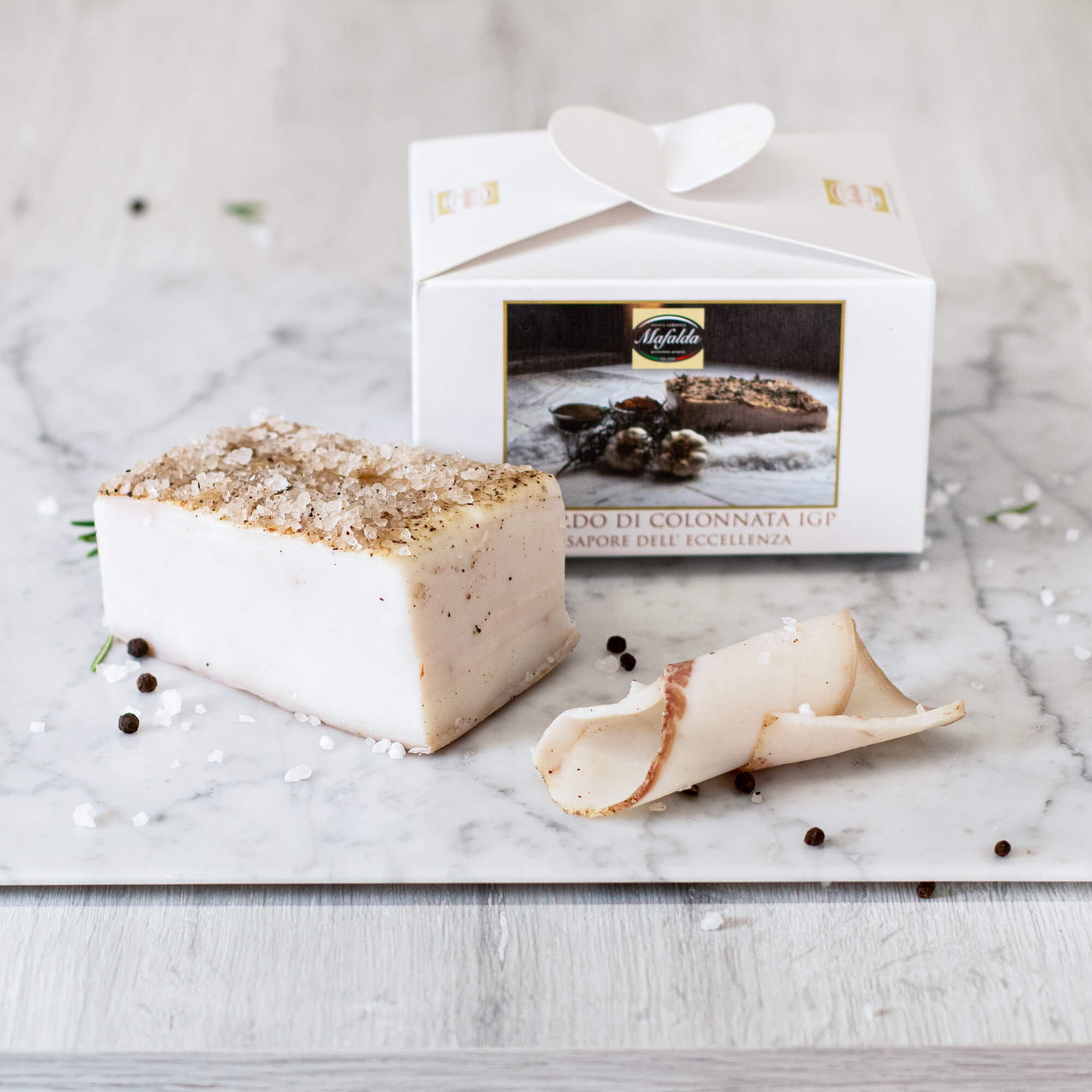
Colonnata Lard (700 grams) is an extremely energetic food, with a high calorie content. Just one hectogram of lard can exceed 800 kcal , making it a food to be consumed with caution by those following a low-calorie diet .
If you're trying to lose weight, it's best to limit its consumption to small portions, perhaps pairing it with high-fiber foods, such as whole-wheat bread or vegetables. Athletes and people with high energy needs can also benefit from its caloric properties for a long-lasting energy source.
Allergies and intolerances
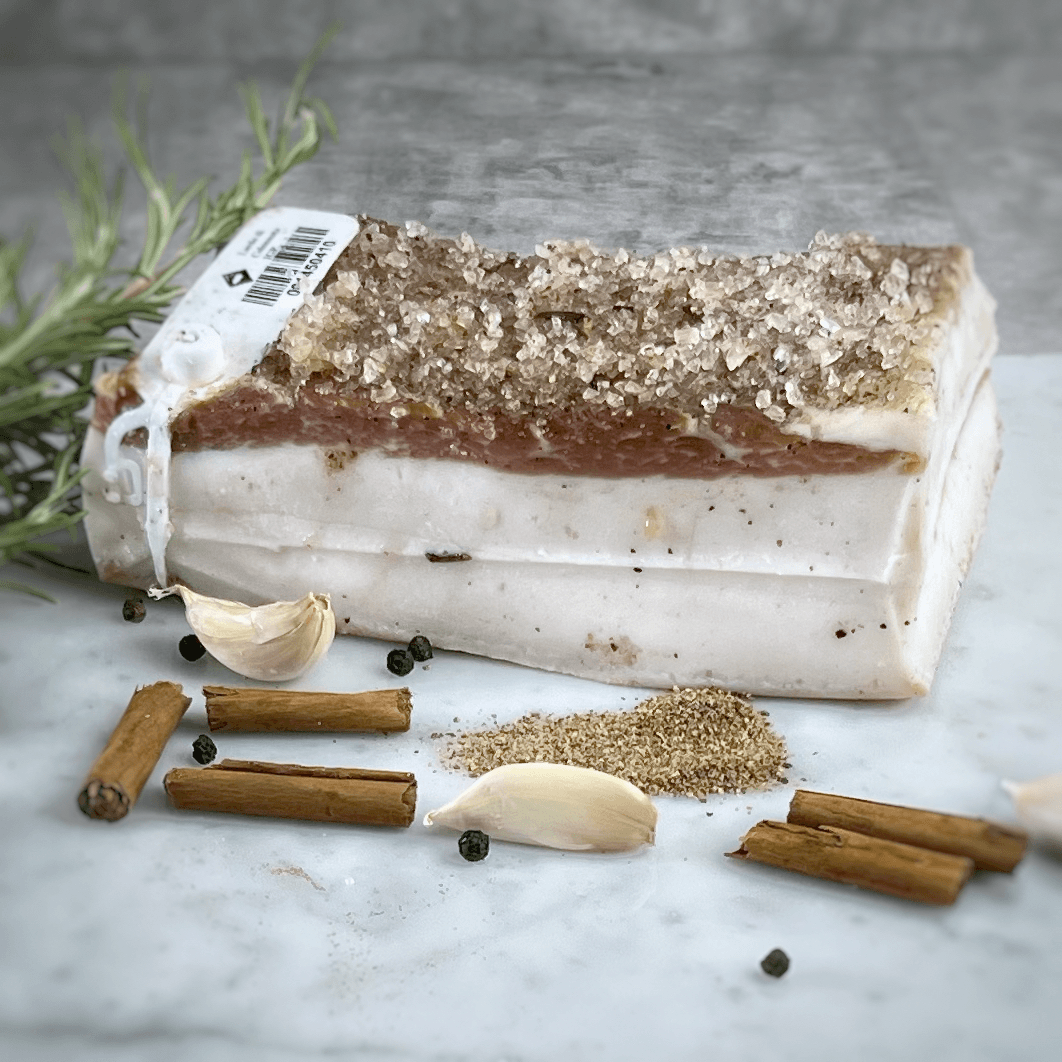
Lardo di Colonnata is a natural product, but it is often seasoned with spices and herbs , including garlic and pepper . These ingredients can pose a problem for those with allergies or food intolerances.
Before consuming lard, it's always advisable to check the ingredient list and pay attention to your body's reactions. If you have known allergies, it's best to opt for alternatives without these flavorings.
What is the correct way to consume it?
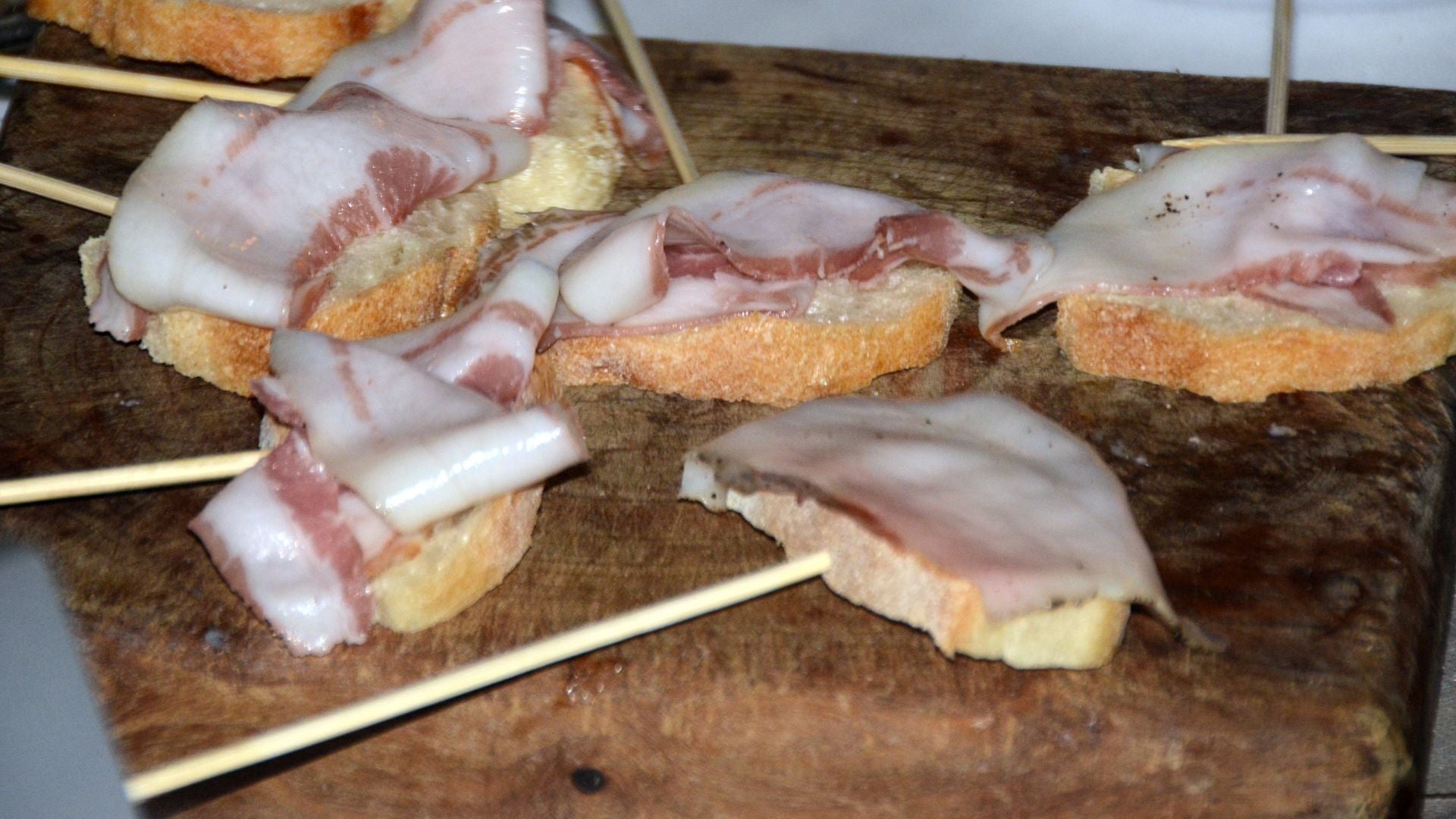
For those without any particular health issues, Lardo di Colonnata can be included in a varied and balanced diet. The key is to consume it in moderation and pair it with fresh, healthy ingredients. Here are some tips:
- Avoid daily consumption: lard is a valuable food, but it should not become a permanent fixture in your diet.
- Balance it with healthy foods: Pair it with vegetables, whole grains and lean proteins .
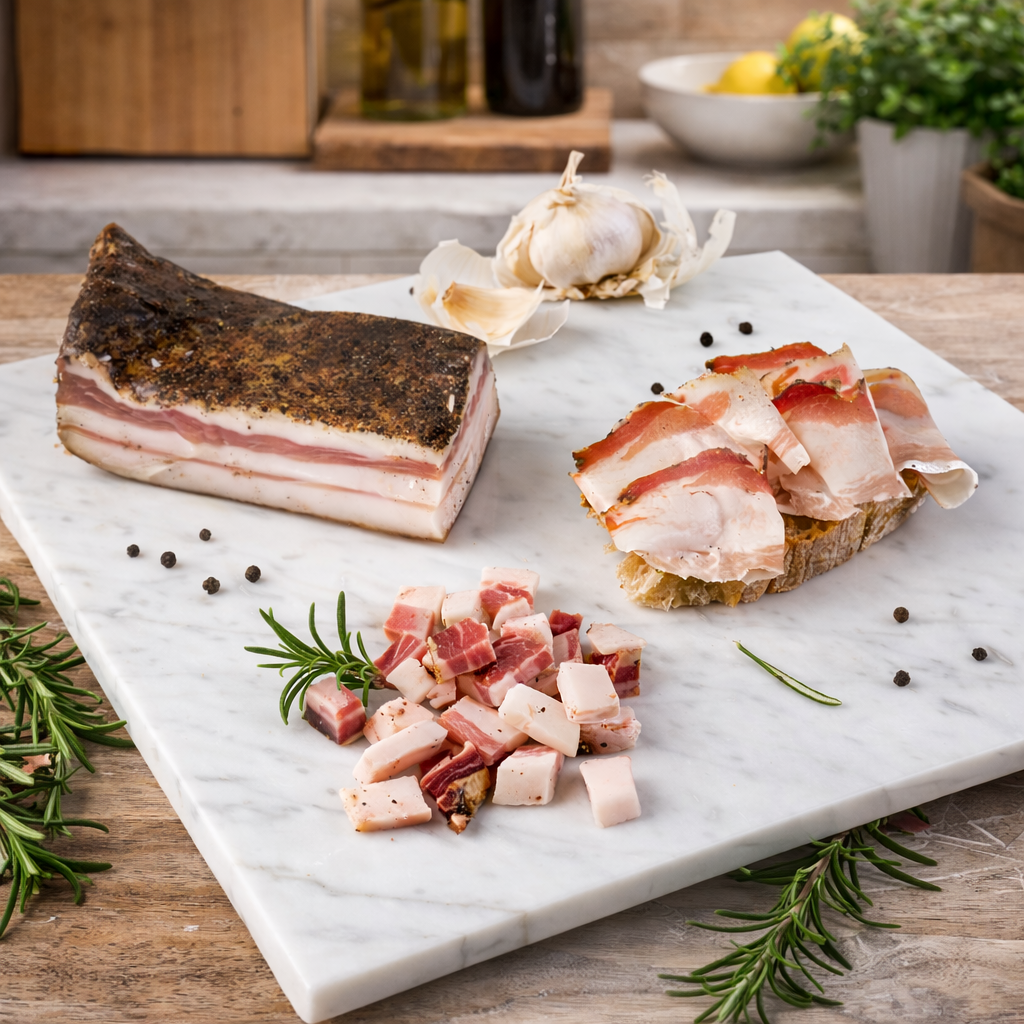
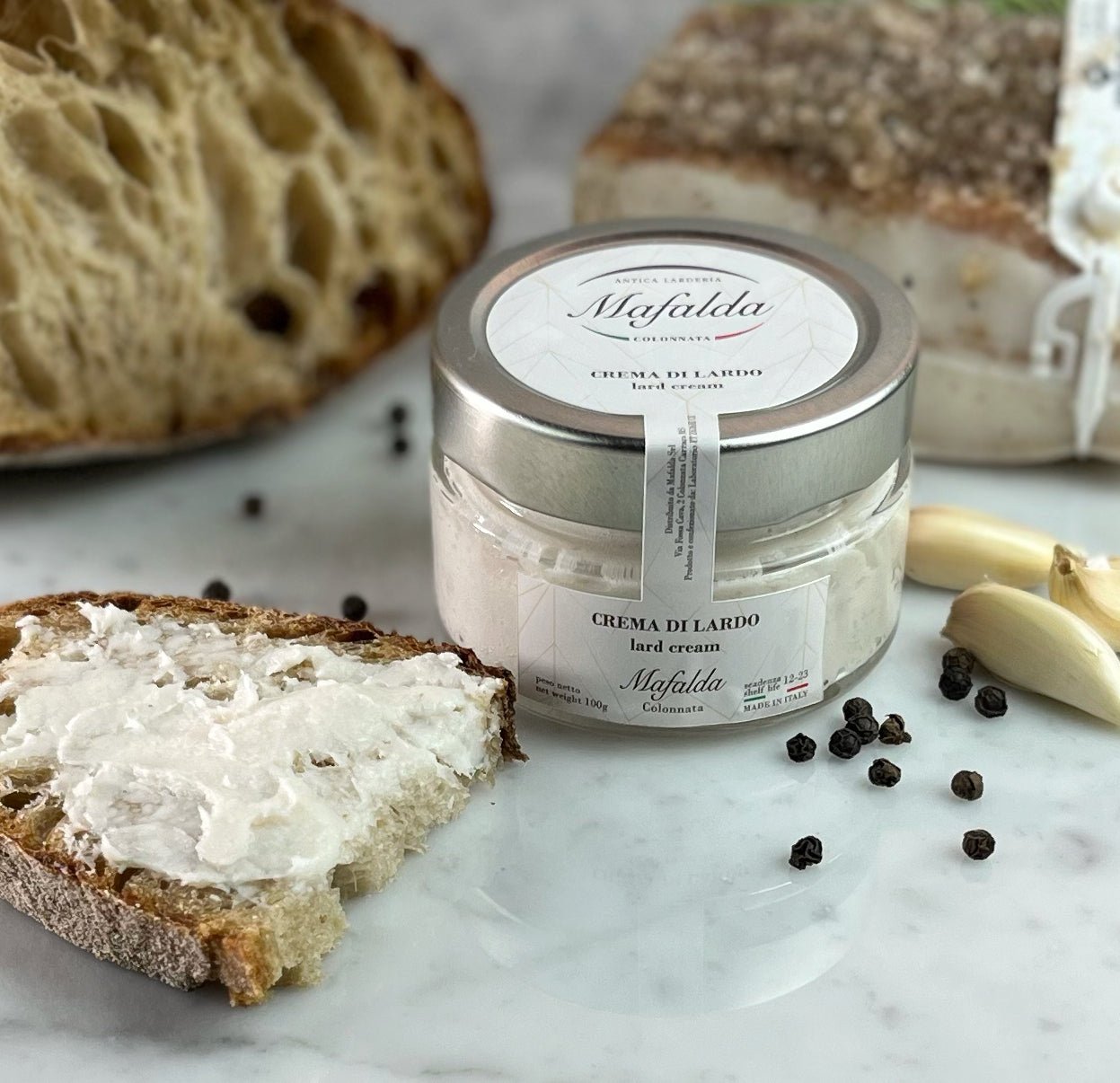
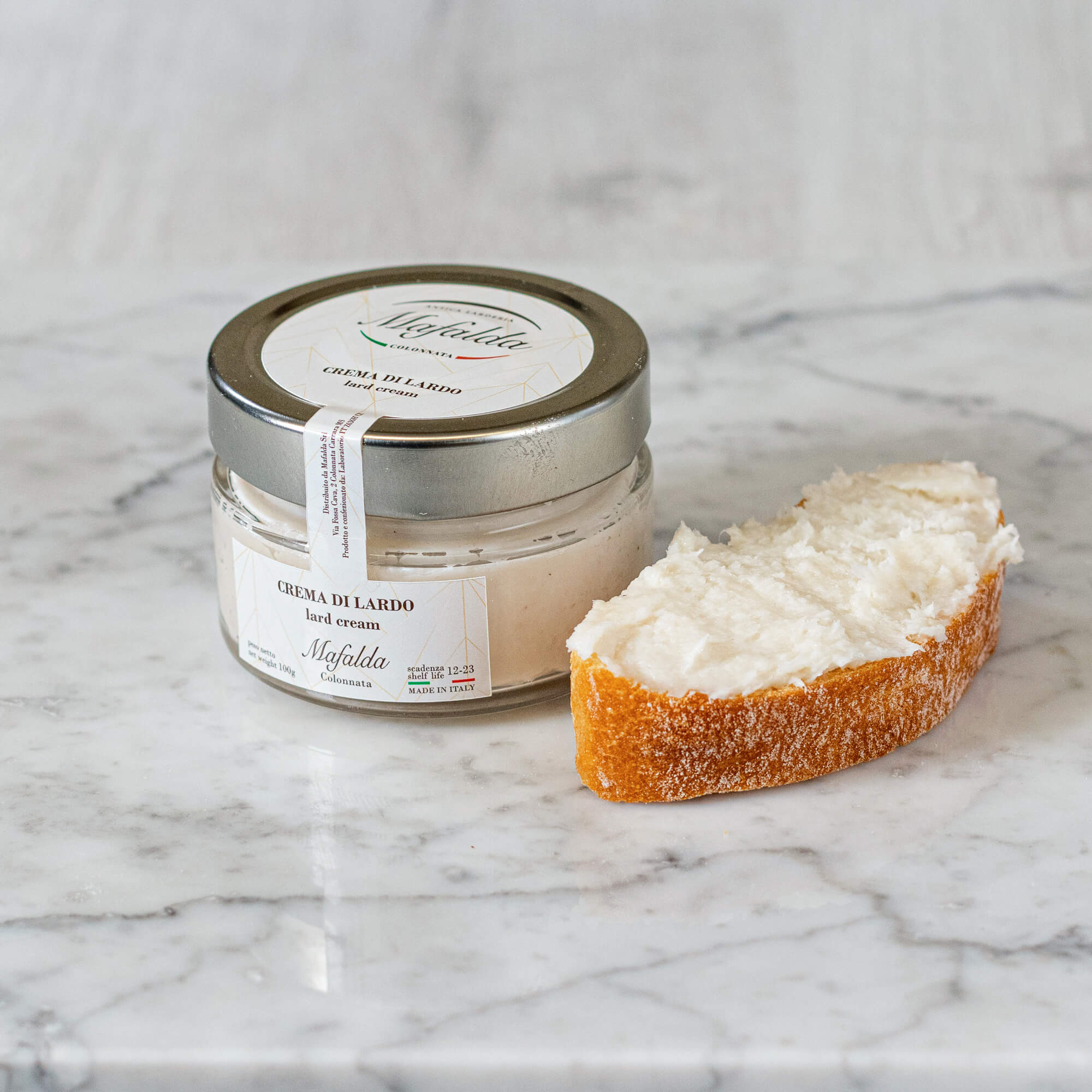
- Choose quality : trust certified producers like Antica Larderia Mafalda , which guarantees a product made according to tradition.
If you also want to discover the benefits of Lardo di Colonnata , you can learn more about its positive effects on our body and find useful advice on how to include it in a balanced diet.
Conclusion
Lardo di Colonnata is an extraordinary product of Italian gastronomy, beloved for its flavor and texture. However, it is not suitable for everyone , and its consumption should be considered carefully. Those with high cholesterol, hypertension, or following specific diets should consult a doctor before including it in their diet.
When consumed in moderation and in the right context , lard can be a tasty addition to the table without compromising your health. The key is always product quality and moderation.



Leave a comment
This site is protected by hCaptcha and the hCaptcha Privacy Policy and Terms of Service apply.