What is the difference between lard and suet?
In the vast world of cured meats and pork products, two terms are often confused: lard and strutto . Although both are derived from pork and have a high fat content, they are very different products in terms of processing, texture, taste, and culinary use . In this article, we clearly explain the differences between lard and strutto, helping you make a more informed choice at the table. You'll also discover why Lardo di Colonnata represents a unique excellence among pork fats.
What is lard and how is it produced?
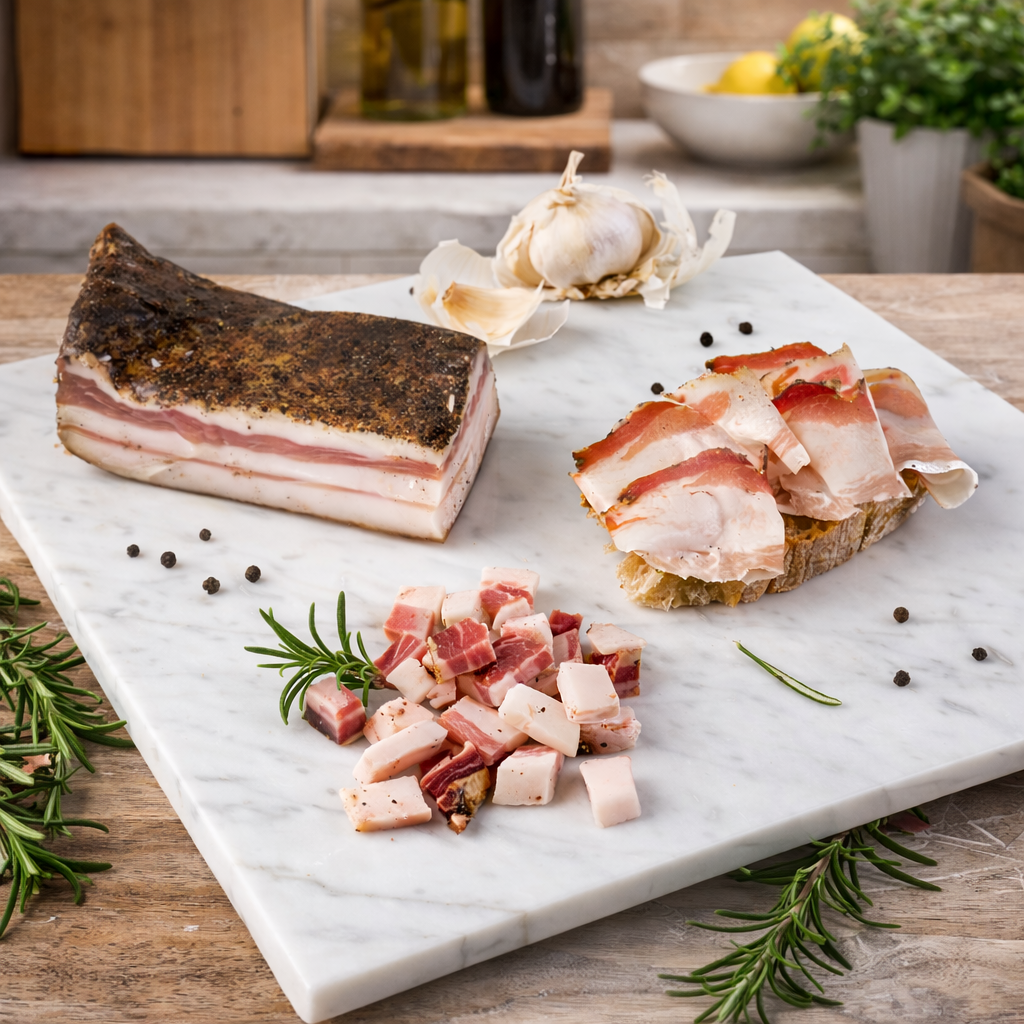
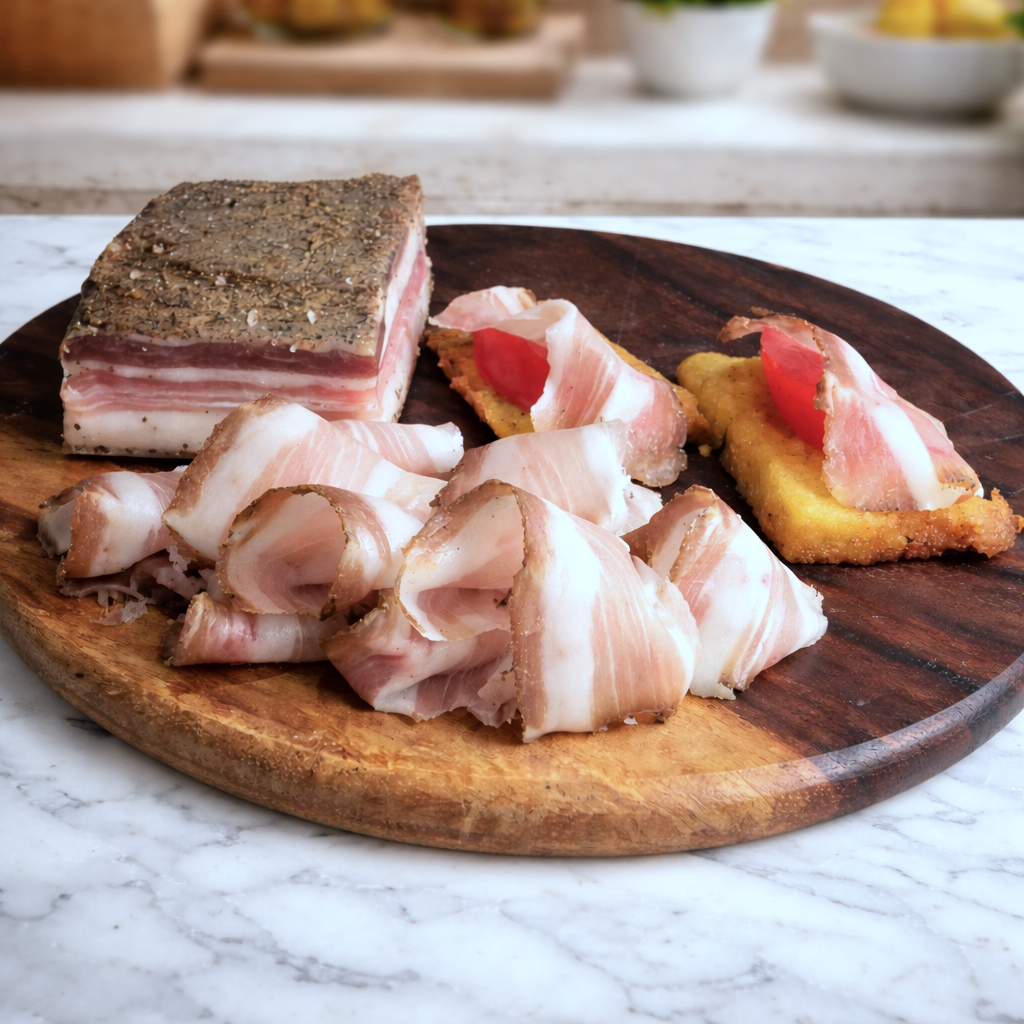
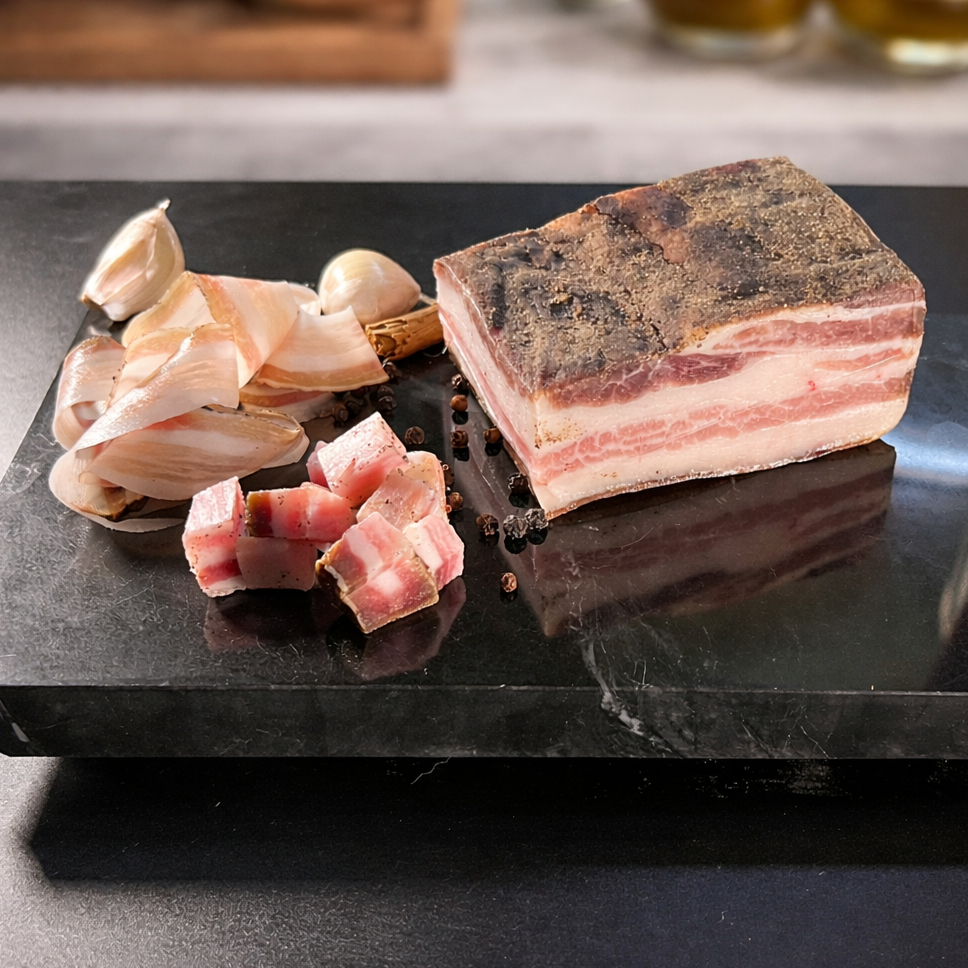
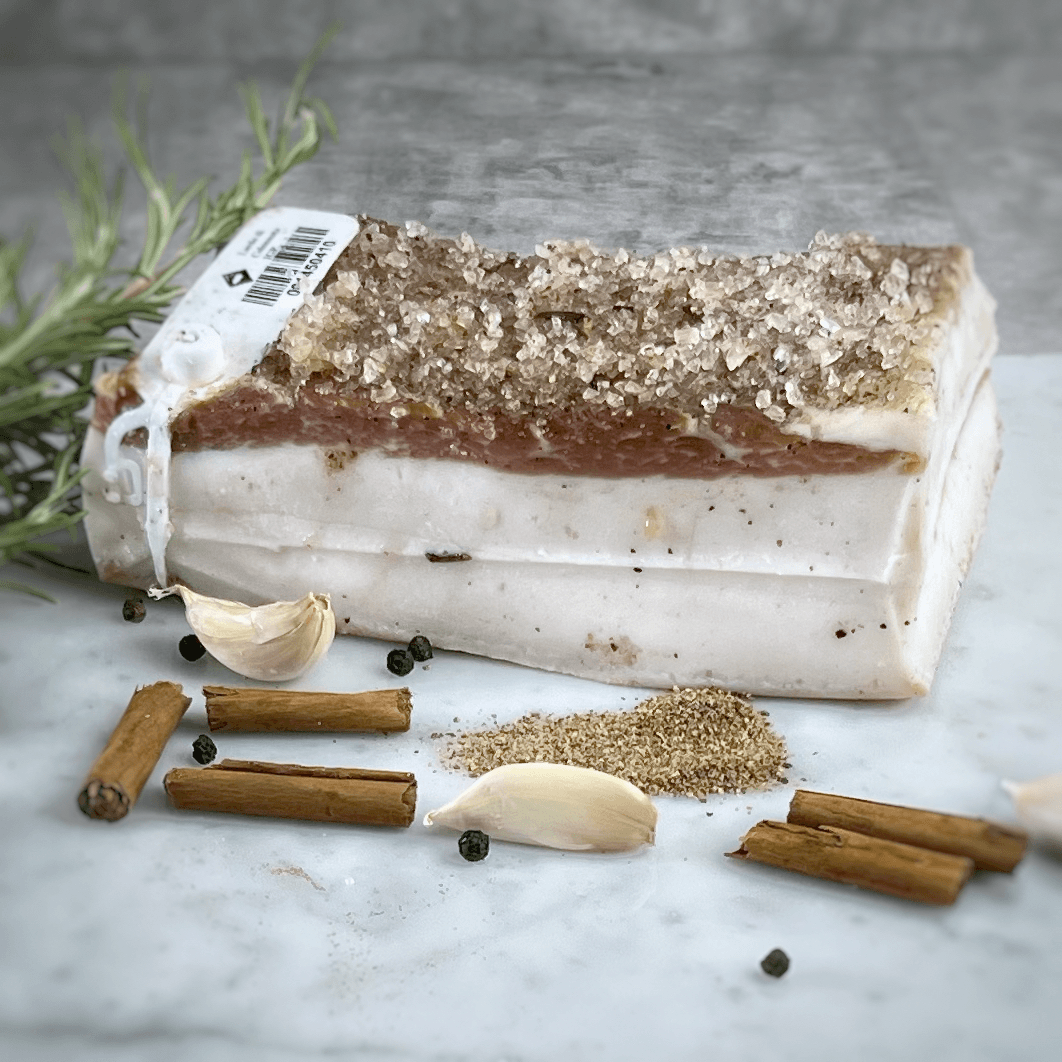
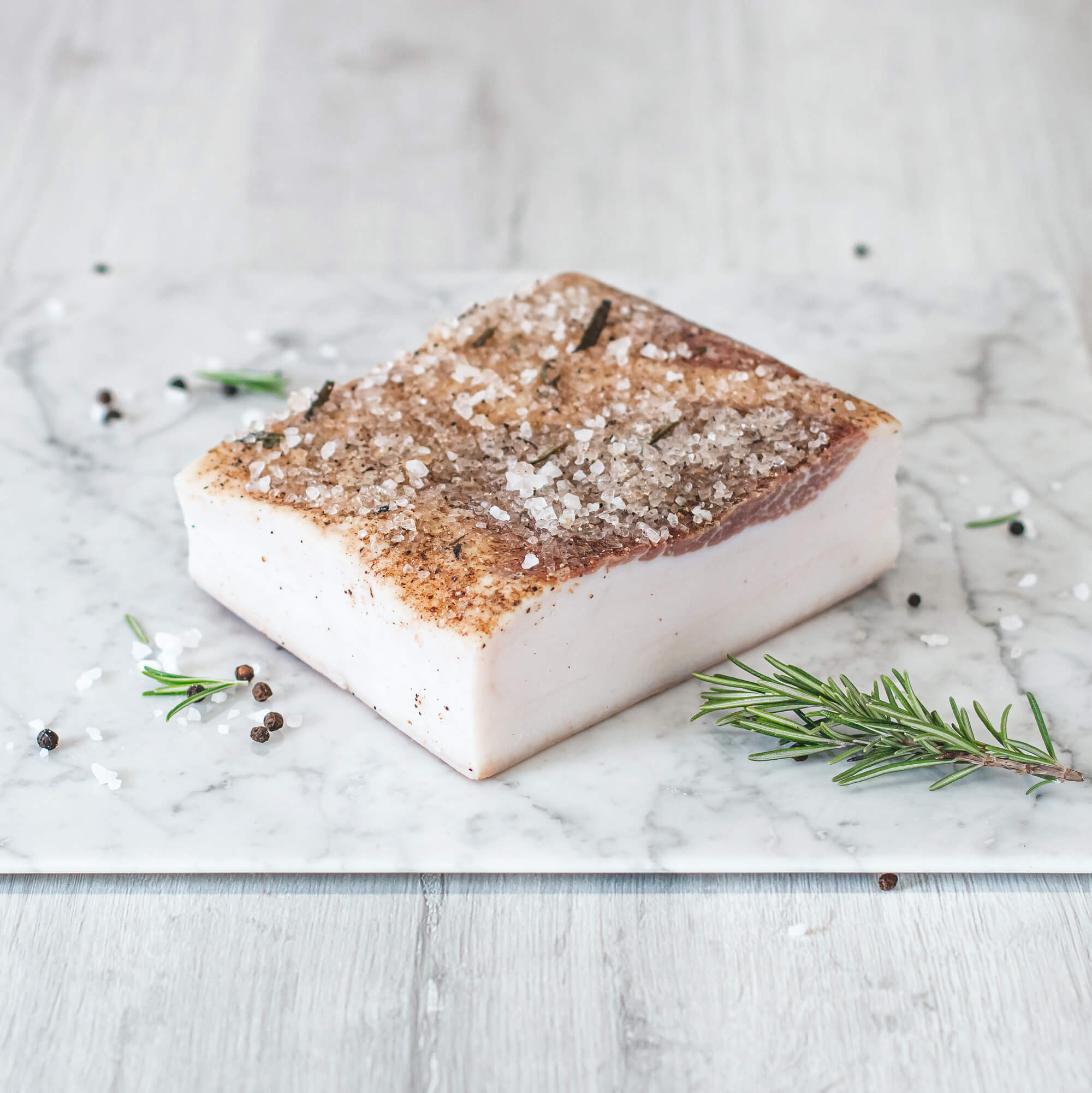
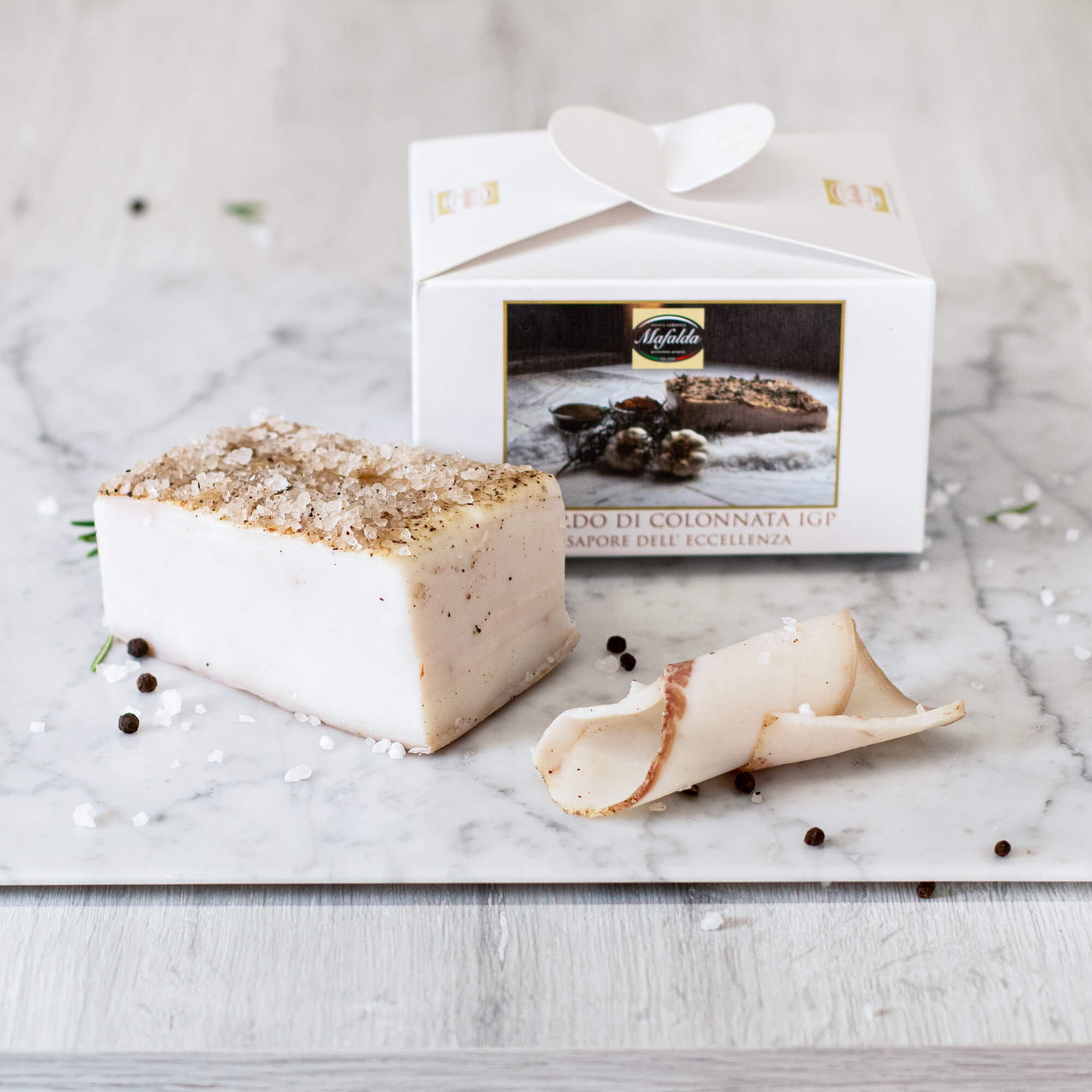
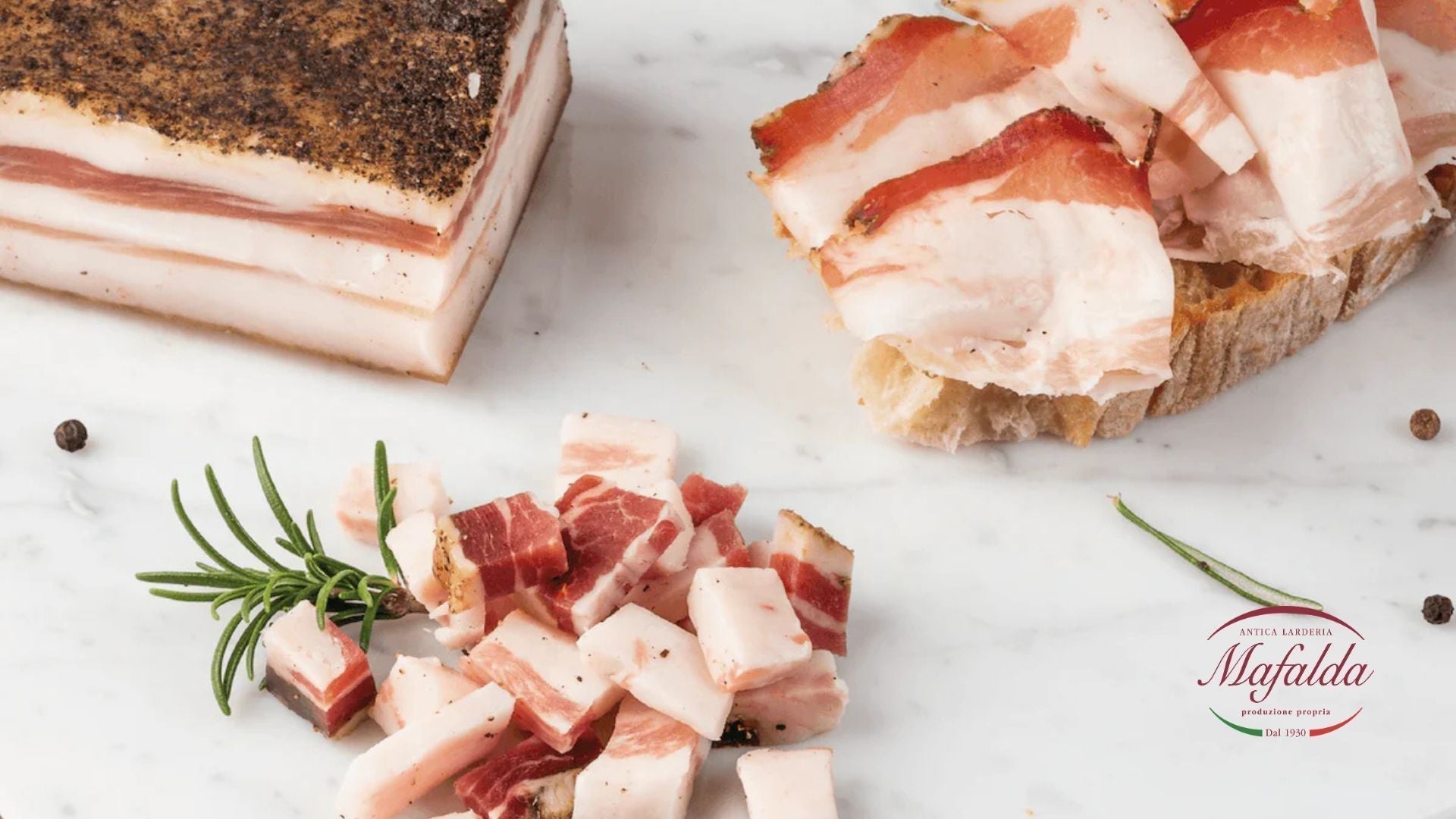
Lard is the subcutaneous fat from the pig's back, cut into thick blocks and cured with salt, spices, and aromatic herbs. This curing process can last from one to ten months, depending on regional tradition and the quality of the product. The result is a firm, compact, fragrant cured meat with a delicate flavor .
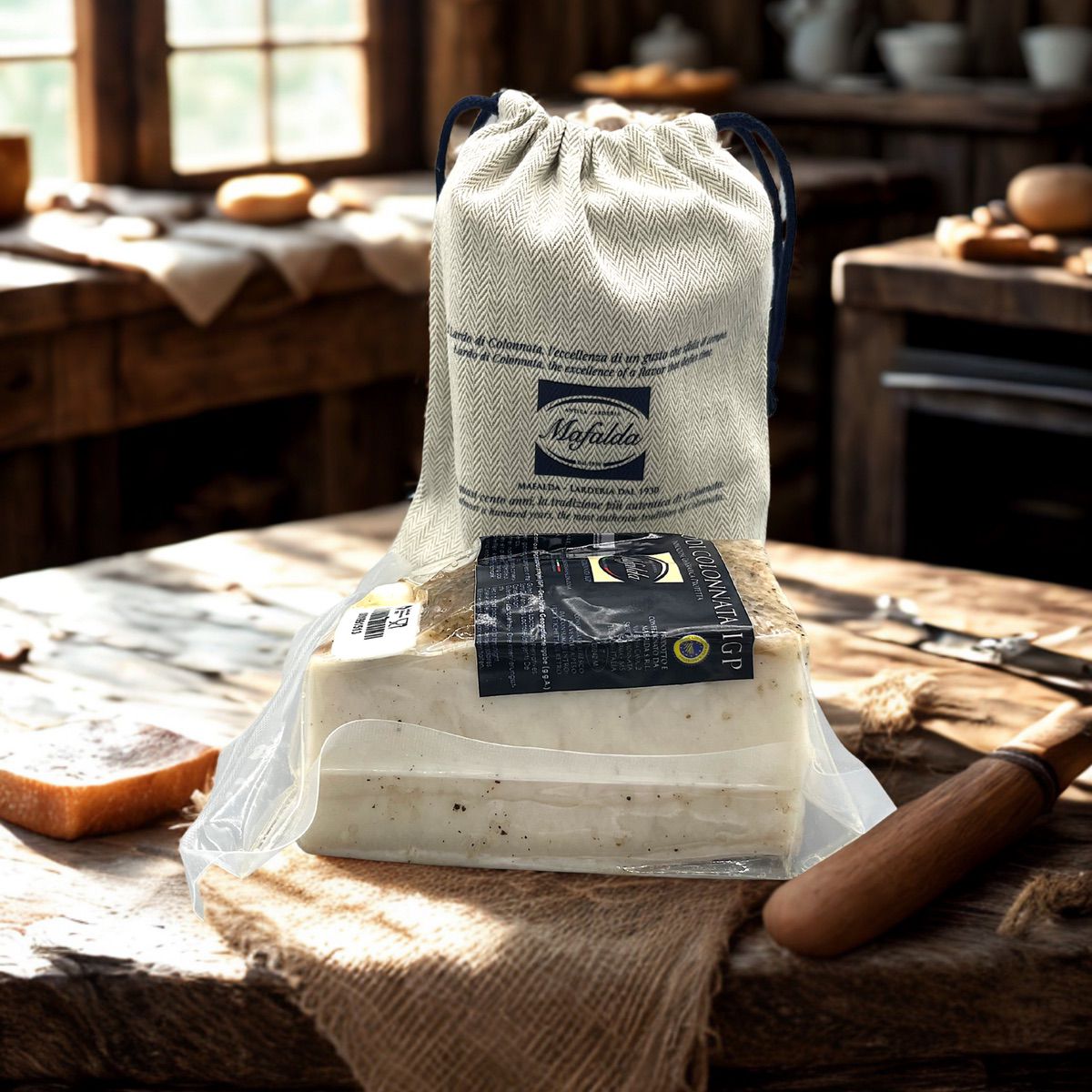
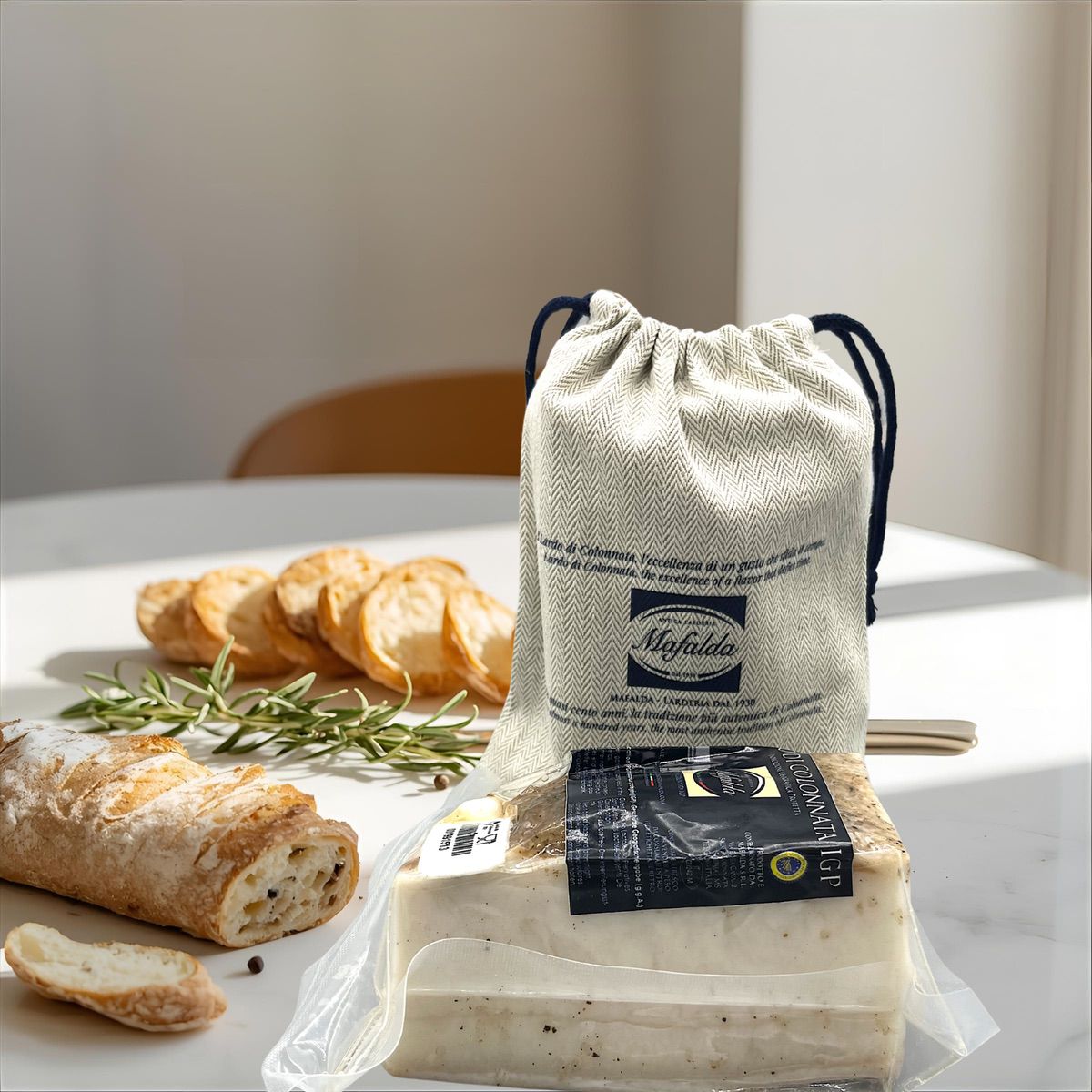
Lardo di Colonnata PGI, for example, is produced only in Colonnata , Tuscany, and follows a completely artisanal production method, with the seasoning taking place in white marble basins from the Apuan Alps. If you'd like to learn more about how lard is made , we've dedicated a comprehensive look at the production process.
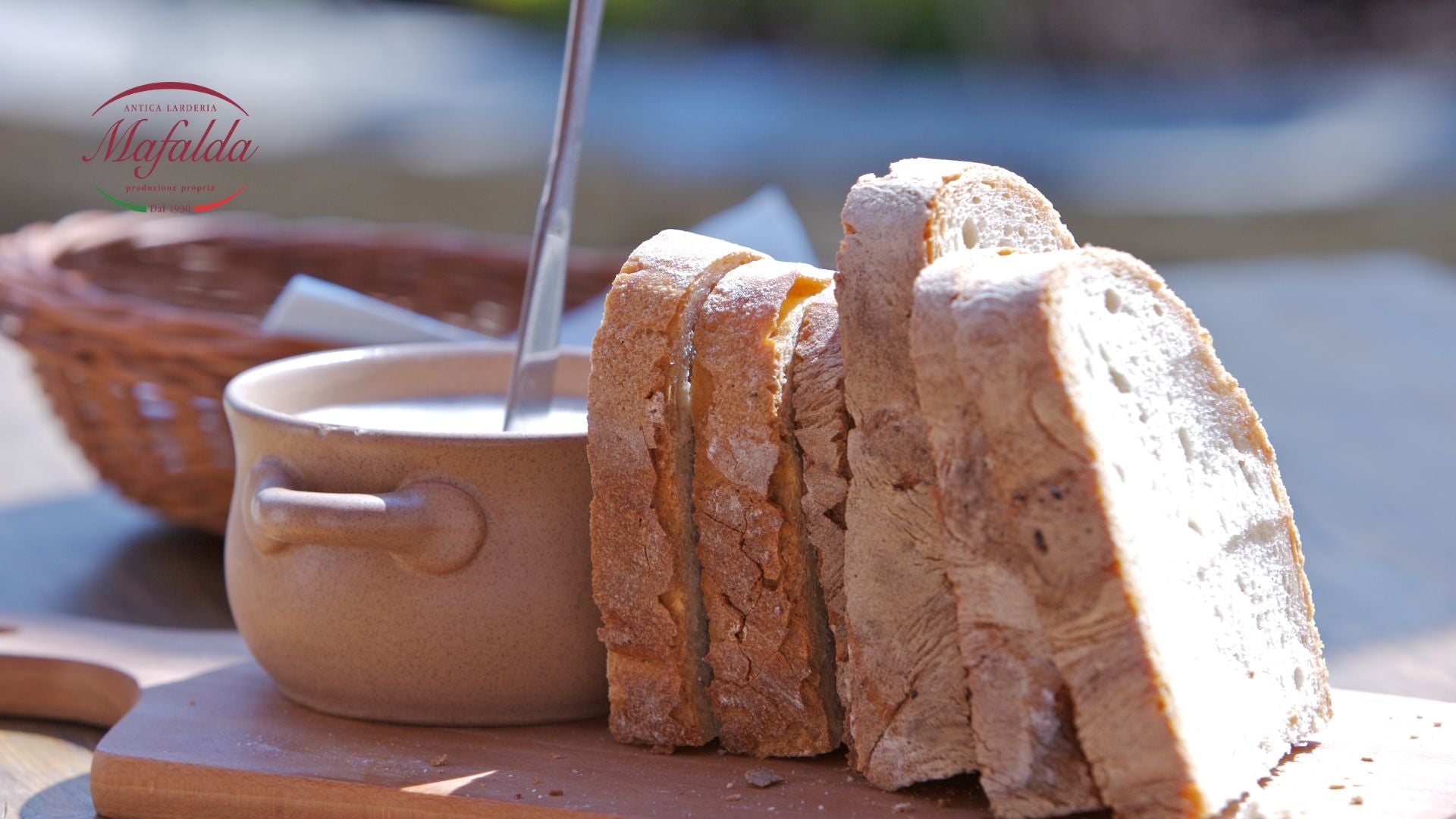
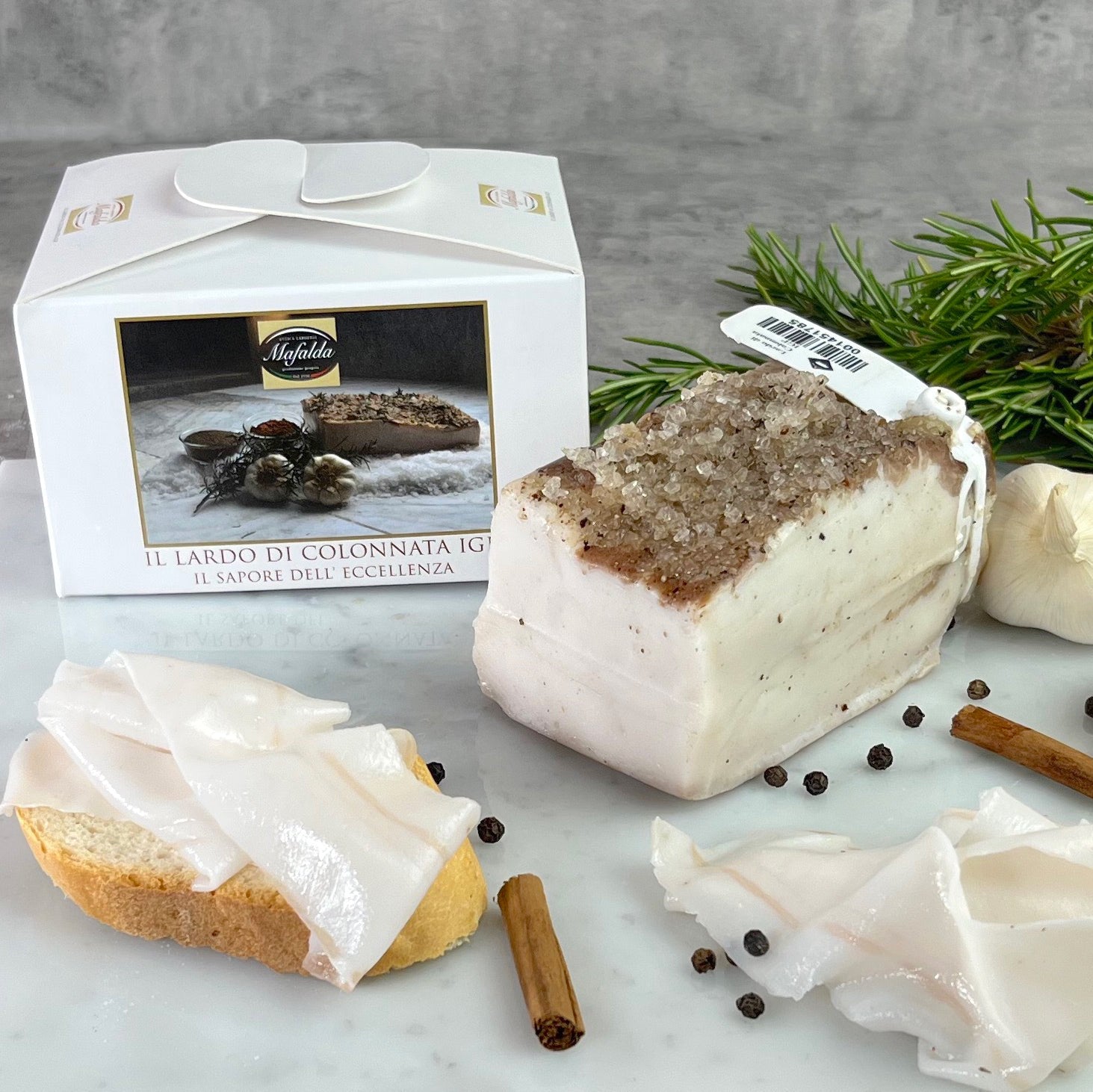
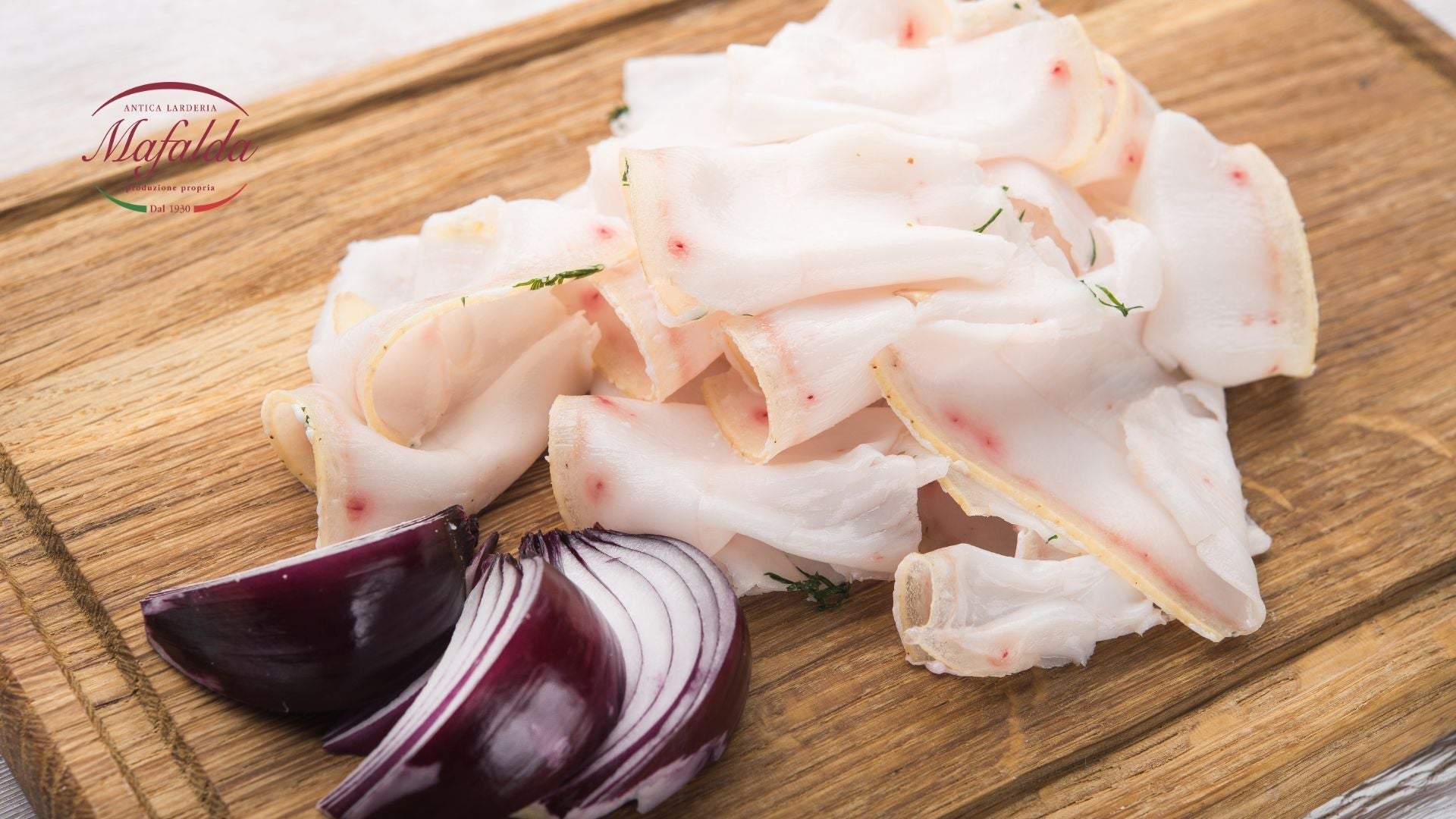
Lard is primarily eaten raw, sliced very thinly and served on warm bread or used to flavor meats, vegetables, and pasta dishes. It's a sought-after product, preserving its flavor, history, and craftsmanship.
What is lard and how is it obtained?
Lard is also a pork fat, but it is obtained in a completely different way . It is obtained by melting the fat (usually the softer internal fat) over a low heat , in a process called "fusion" or "sugna". Once liquefied, the fat is filtered and left to cool, taking on a pearly white color and a spreadable consistency, similar to thick cream .
Unlike lard, lard isn't consumed pure. Instead, it's used in cooking for frying, baking, and kneading bread or flatbreads, thanks to its ability to make dishes soft and crumbly. It's widely used in Southern Italian cuisine and in traditional recipes that call for an "invisible" fat that doesn't significantly alter the flavor.
Lard and shortening: main differences
The first major difference between lard and suet is their shape : lard is solid, chunky, sliceable, and fragrant. Lard, on the other hand, is a spreadable white mass, devoid of flavorings because it is neither cured nor seasoned with spices. The processing is also completely different : lard is a cured cured meat, while suet is a melted and then solidified fat.
Another significant difference is the type of fat used . Lard comes from the compact, noble back part of the animal, while shortening is obtained from a mix of internal fats (such as that around the kidneys) and fatty waste , and is therefore of lower quality and less commercial value.
Finally, its culinary use is also changing . Lard is enjoyed for its flavor, while shortening is used as a functional ingredient in preparations. Those seeking a quality product for tasting will opt for lard , while those needing a fat for dough or frying will choose shortening.
And the taste? There's no comparison.
Flavor-wise, lard —especially the famous Lardo di Colonnata — is unrivaled . Thanks to its slow curing process, the quality of the fat, and the addition of aromatic herbs, the lard melts in the mouth , releasing an intense yet balanced aromatic richness.
Lard , on the other hand, has a neutral flavor, designed not to alter preparations. It's appreciated for its functionality, but not for its flavor itself. It's useful, not exciting . The lard is the protagonist, the lard is a backdrop.
Nutritional value and uses compared
Both products are high in fat and calories, but with significant differences. Lard, especially artisanal lard like Lardo di Colonnata, has a more balanced composition, rich in monounsaturated fatty acids , similar to those in olive oil. Its consumption, in small quantities, can be compatible with a healthy diet. Learn more about the benefits of Lardo di Colonnata .
Lard, on the other hand, contains mostly saturated fats and provides no significant nutritional benefits. It's more suitable for those seeking performance in the kitchen, but less suitable for those who care about the quality of their fat intake. Both should be consumed in moderation.
Tradition and culture: lard as identity
Lard is also a cultural symbol , as demonstrated by the history of lard in Italy. It is linked to the mountains, to peasant life, to the humble cuisine transformed into an art form. Lard has a more humble past, linked to the need to waste nothing from the pig. Both represent an era in which cuisine was made with what was available , but today lard—particularly Colonnata lard—has become a gourmet product, an excellence to be promoted and protected.
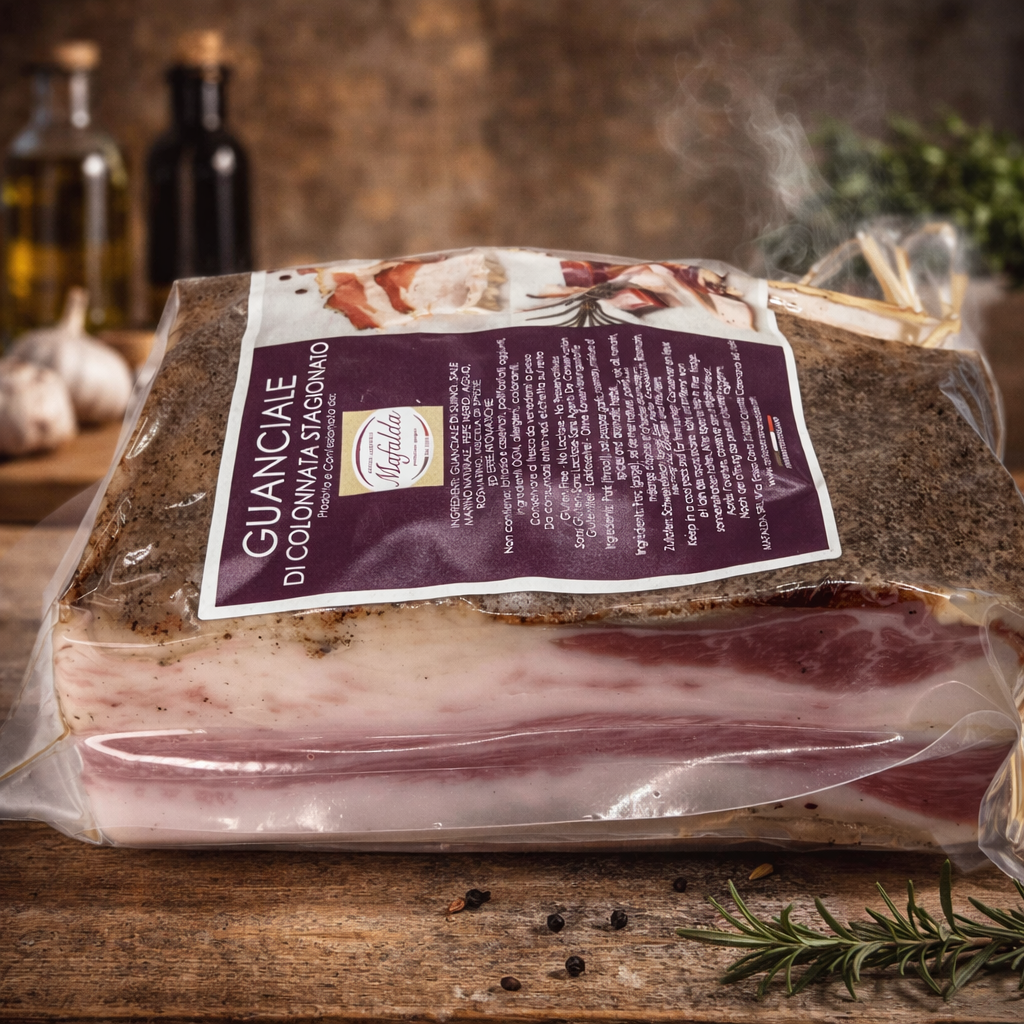
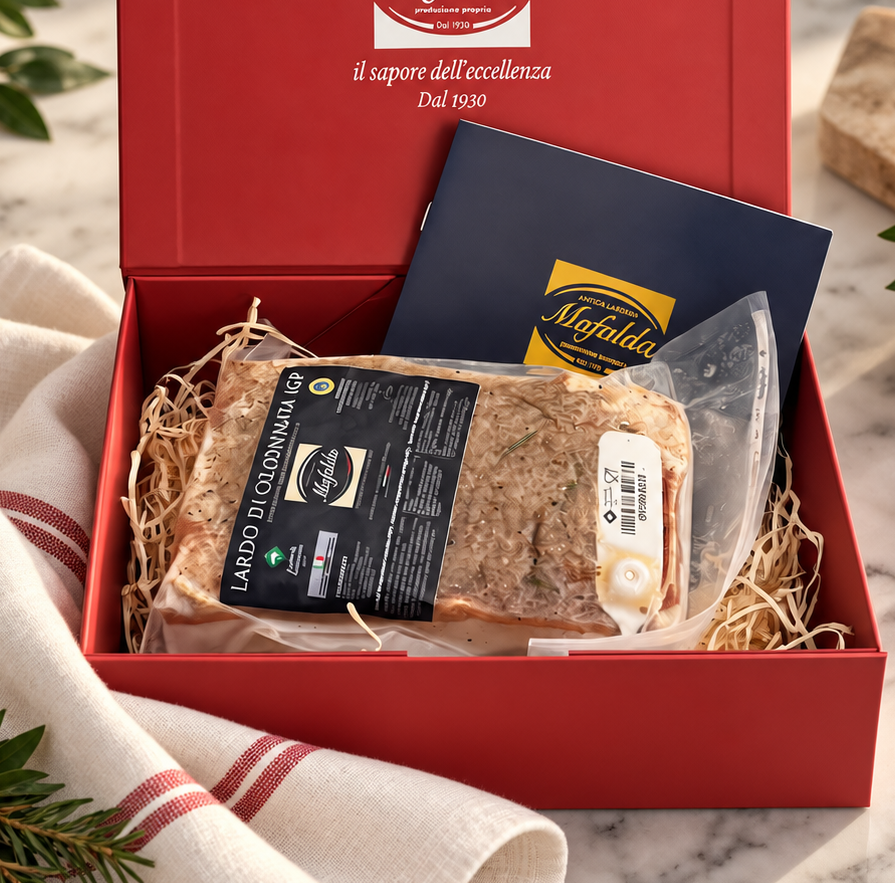
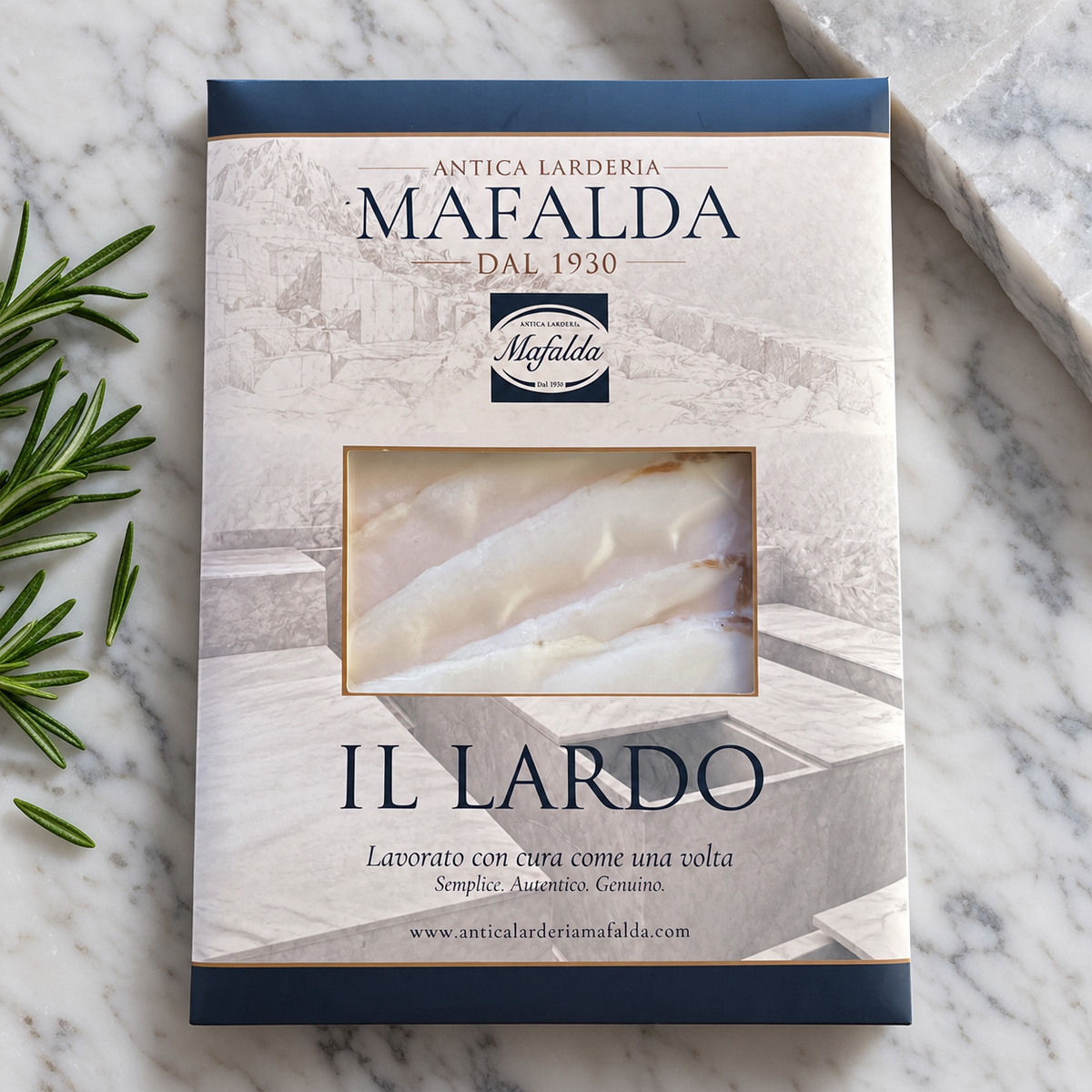
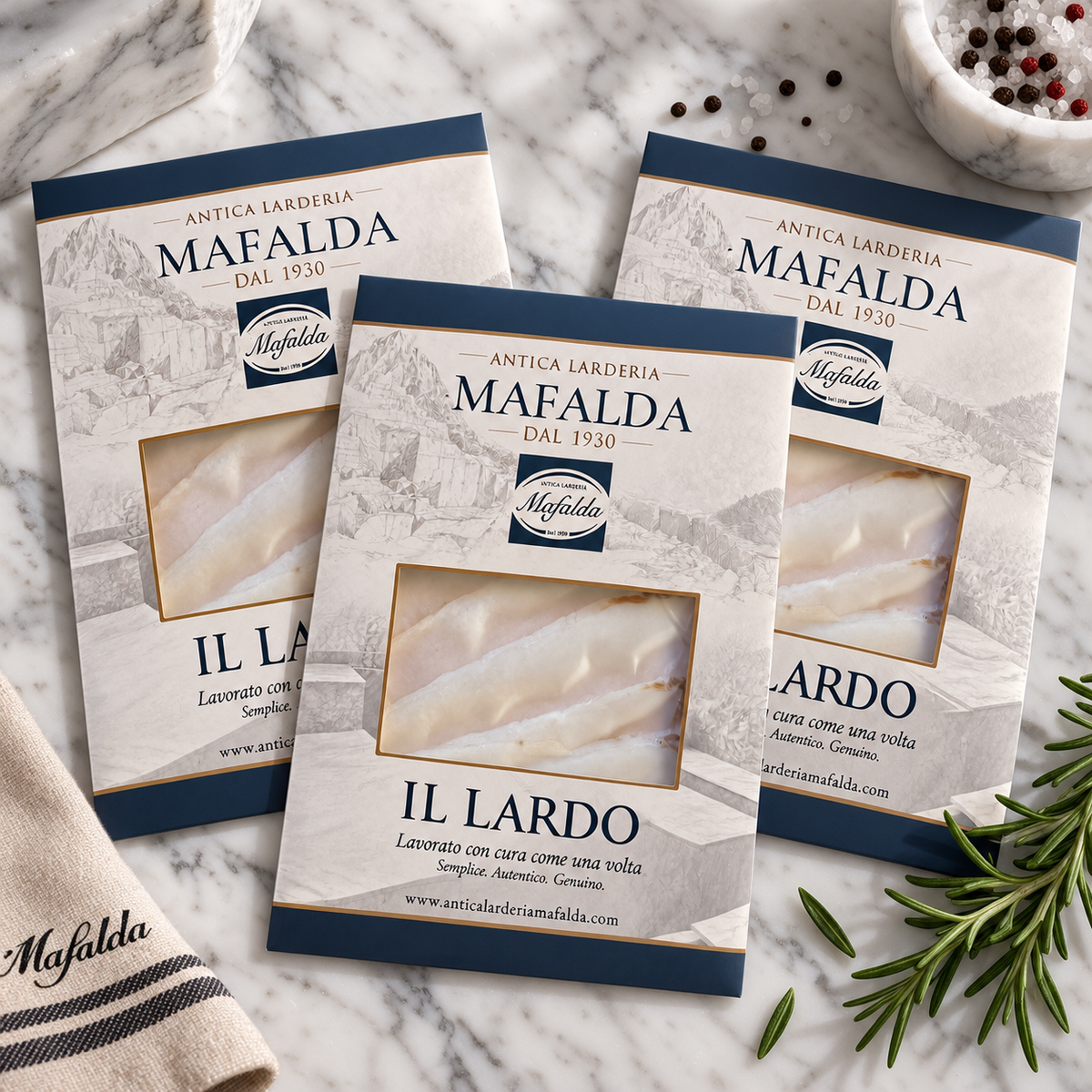
For those who want an authentic experience, the advice is to taste a real Lardo di Colonnata , such as the one produced by Antica Larderia Mafalda , processed using methods handed down from generation to generation and also available in formats such as the 700 gram Lardo di Colonnata .
Conclusion
In short, lard and suet are two different products in terms of origin, processing, consistency, flavor, and use. Lard—especially the PGI Colonnata variety—is a noble cured meat, the defining characteristic of its flavor. Lard is a technical ingredient, useful in the kitchen but devoid of any gastronomic value in itself.
Both are part of Italian food culture, but only one can transform a slice of bread into a journey into the heart of tradition. Lard is emotion. Lard is function .



Leave a comment
This site is protected by hCaptcha and the hCaptcha Privacy Policy and Terms of Service apply.