Is lard bad for cholesterol? Let's dispel the myths.
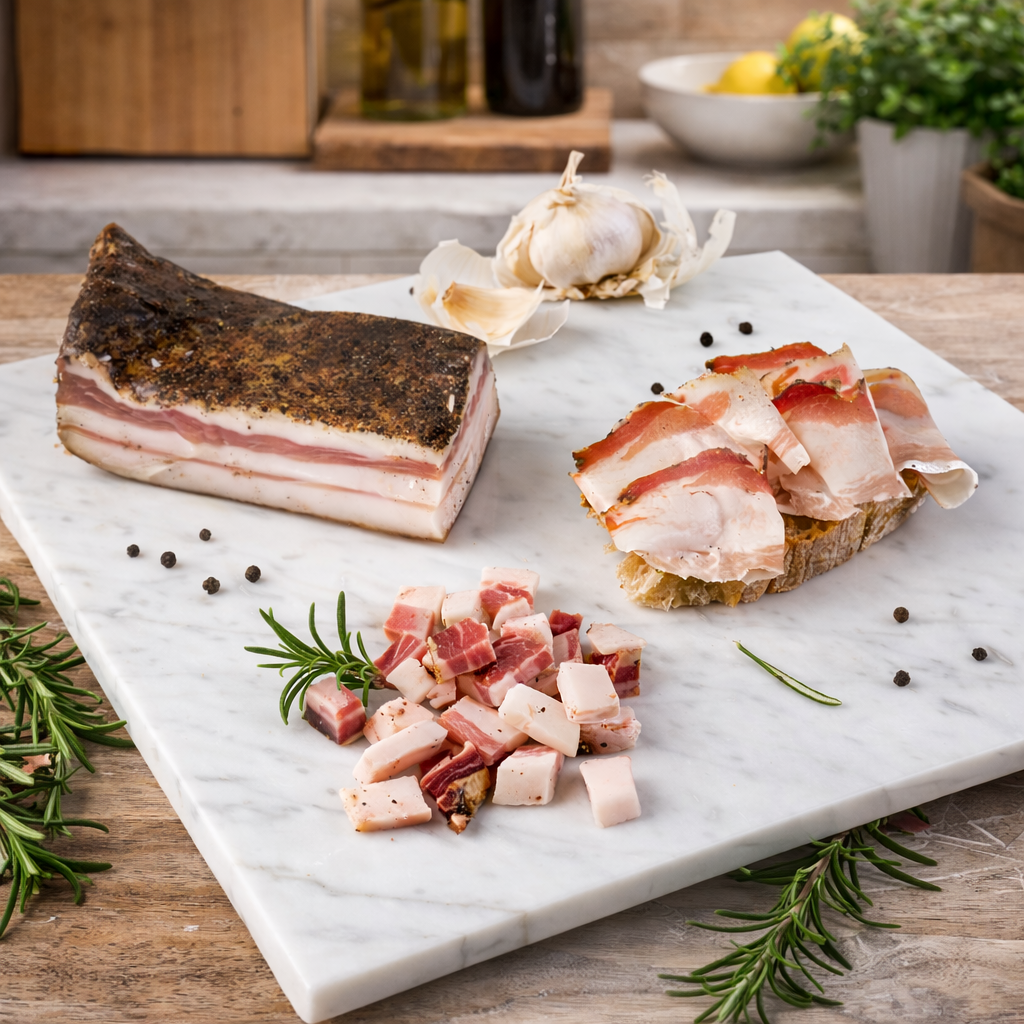
When it comes to cholesterol, lard is often viewed with suspicion . But is it really that harmful to your health? Colonnata lard , thanks to its natural processing and the quality of its fats, may surprise many. Unlike other animal fats, it undergoes a curing process that enhances its qualities without altering its structure. Let's analyze the issue without prejudice, keeping in mind that each dietary choice must be evaluated case by case, based on individual health conditions. If in doubt, it is always advisable to consult a doctor or nutritionist .
Cholesterol: a question of balance
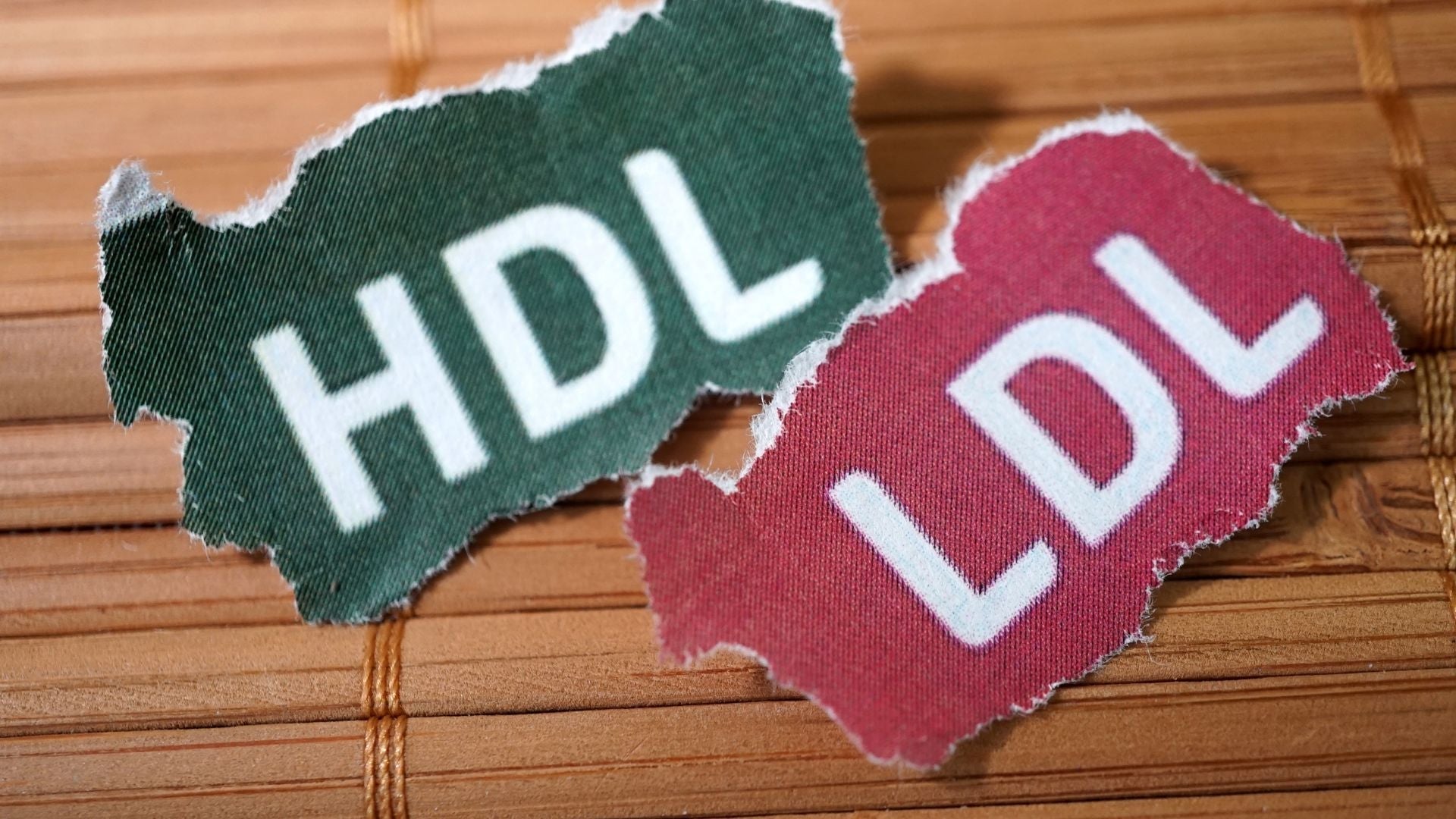
Cholesterol is an essential substance for our body, used in the production of hormones and the construction of cell membranes. The human body synthesizes it naturally and it is necessary for the proper functioning of various biological processes. There are two main types of cholesterol : LDL (the so-called "bad"), which tends to deposit in the arteries, and HDL (the "good"), which helps eliminate excess cholesterol buildup.
Lardo di Colonnata contains a combination of saturated and unsaturated fats , which can have different effects depending on the dietary context and lifestyle of the person consuming it. It's important to emphasize that the main problem isn't cholesterol itself, but its balance within the diet . A diet rich in vegetables, fiber, and fresh foods can mitigate the impact of saturated fats, allowing products like lard to be included in a controlled diet.
Lard and Cholesterol: The Role of Good Fats
One of the lesser-known aspects of lard is the presence of monounsaturated fats , particularly oleic acid, the same one found in extra virgin olive oil. This type of fat is known for its beneficial effects on cholesterol , helping maintain a good balance between LDL and HDL . Unsaturated fatty acids play an essential role in protecting the arteries, promoting blood fluidity and reducing the risk of dangerous buildup.
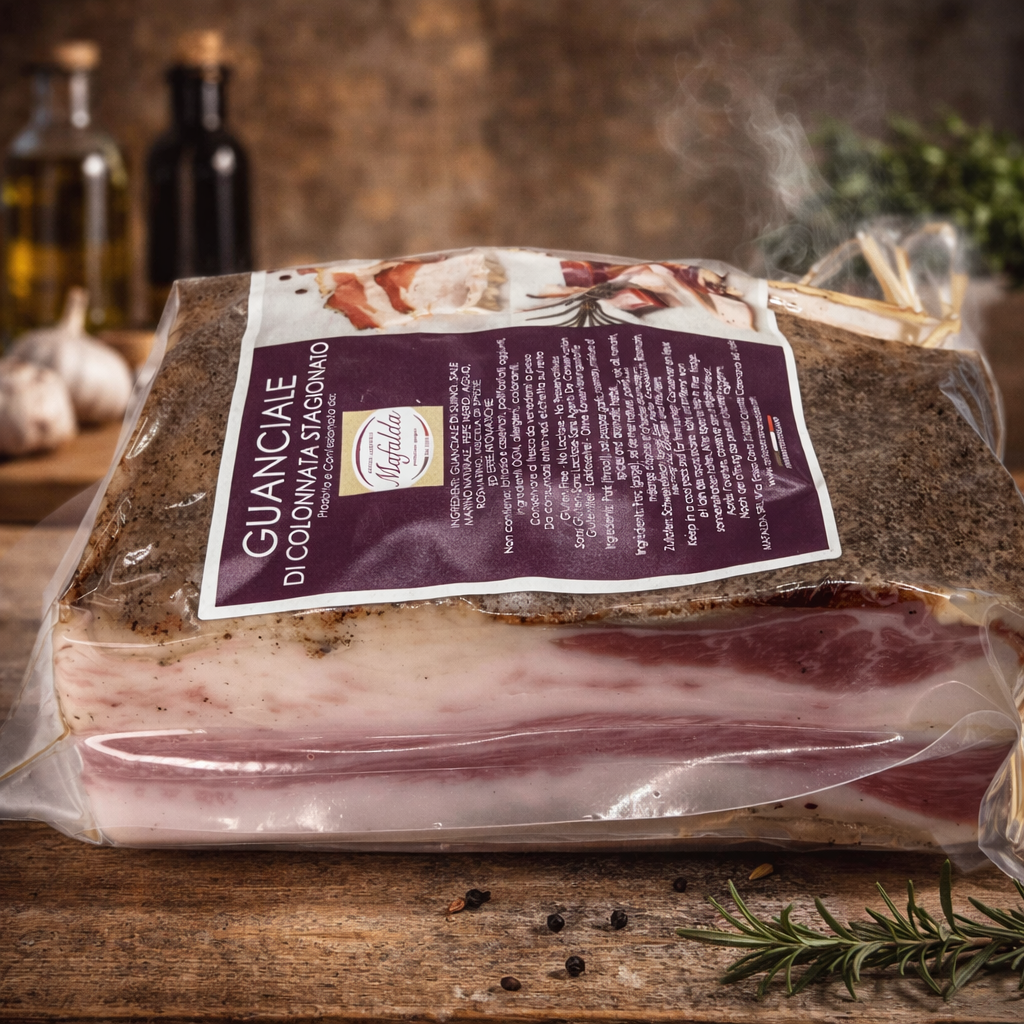
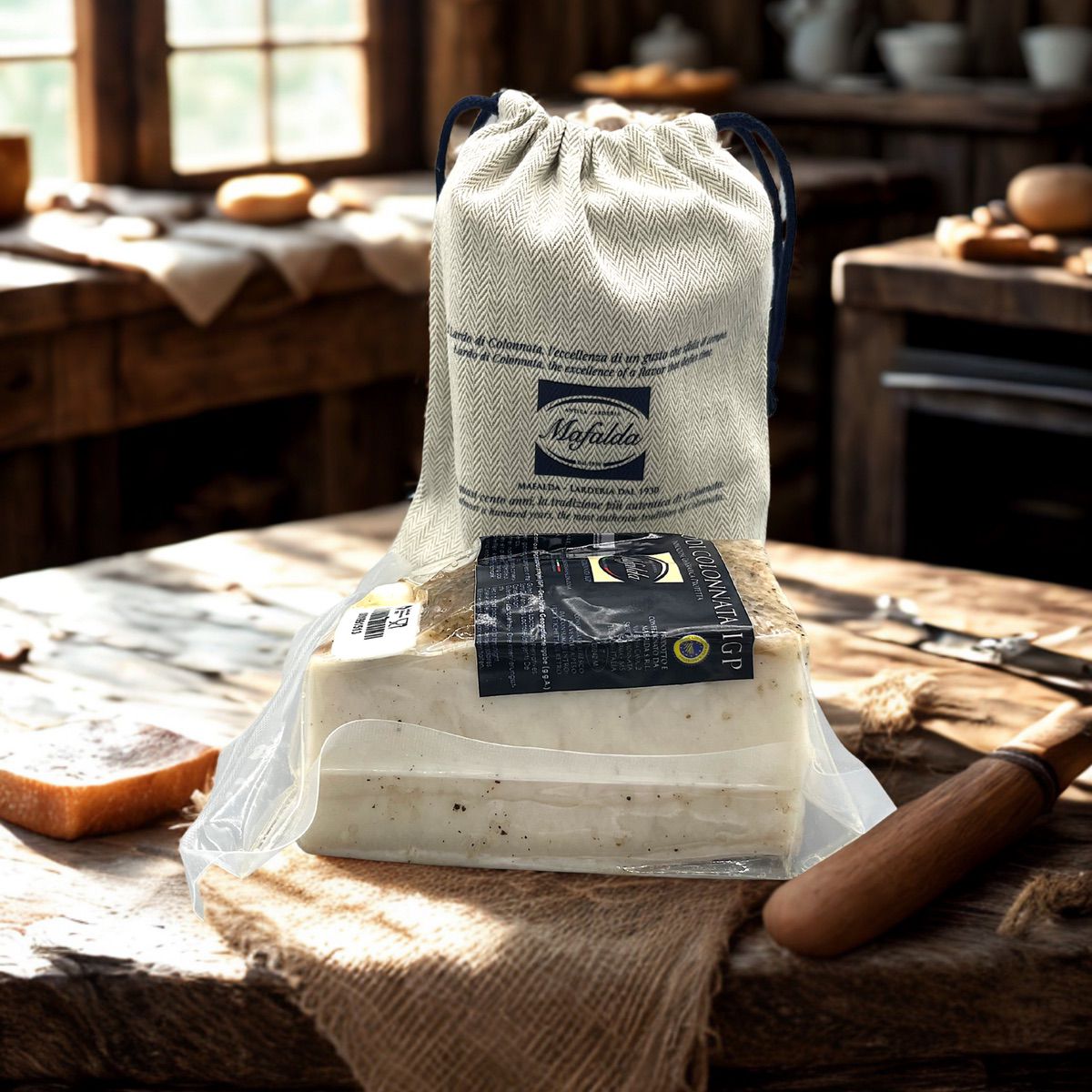
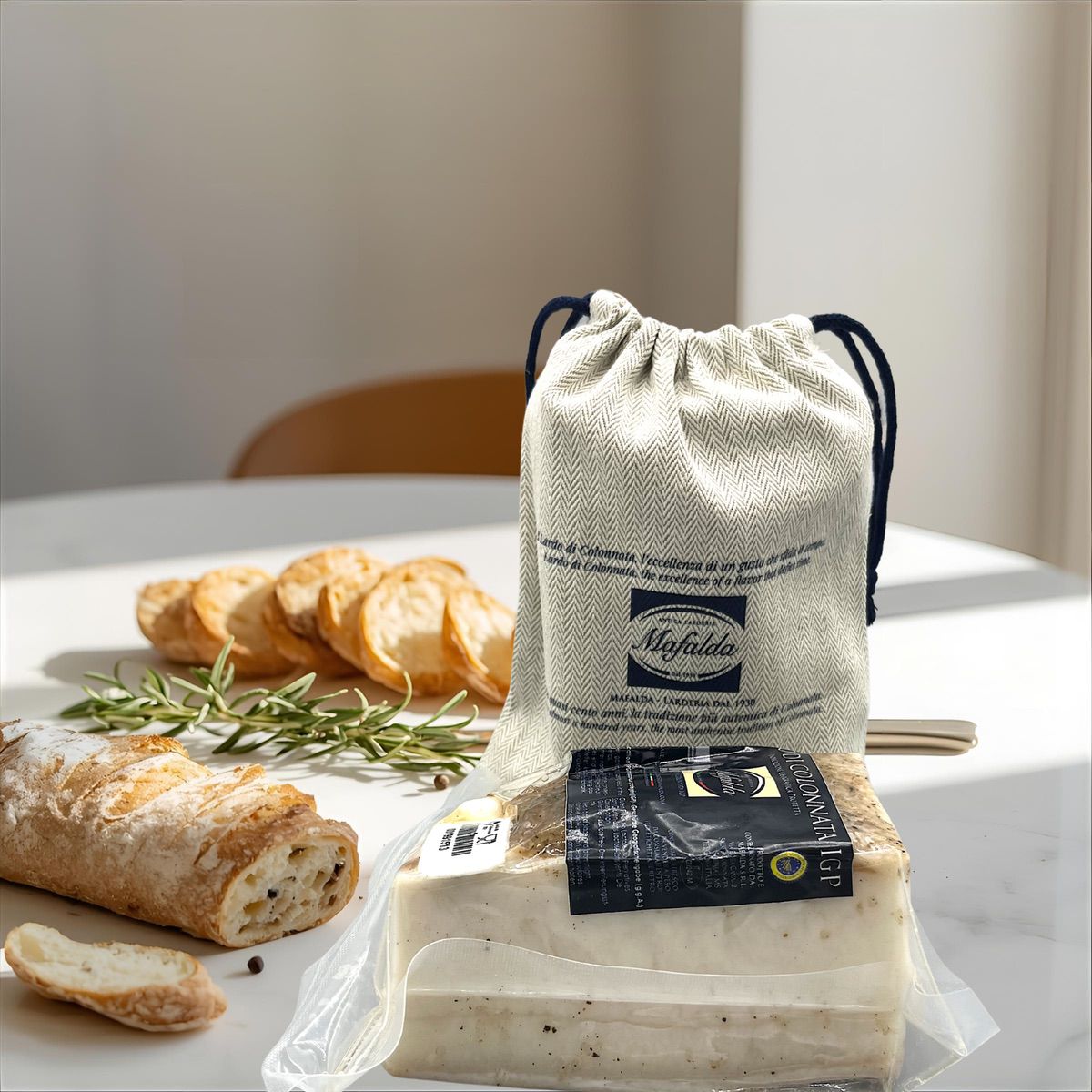
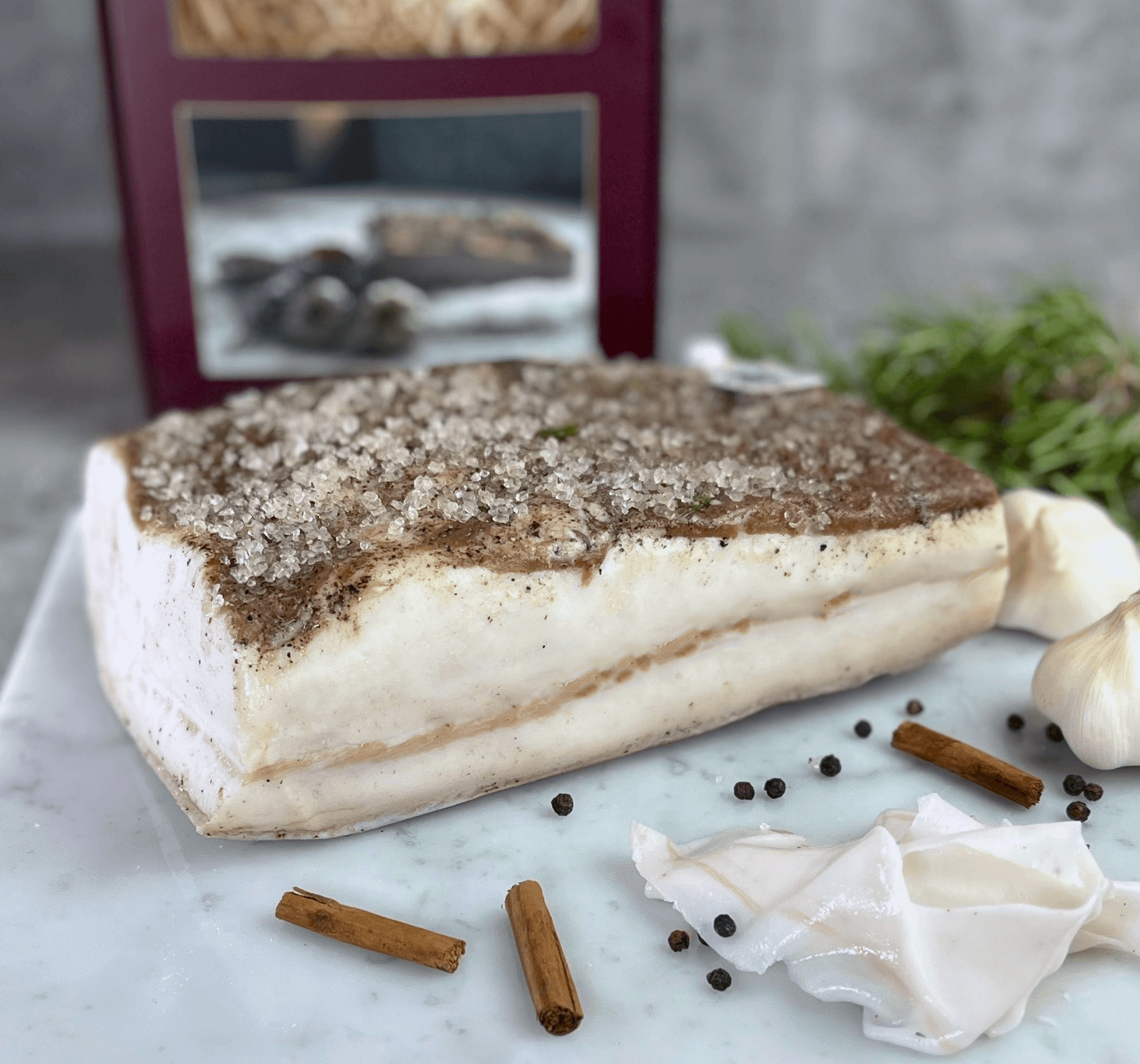
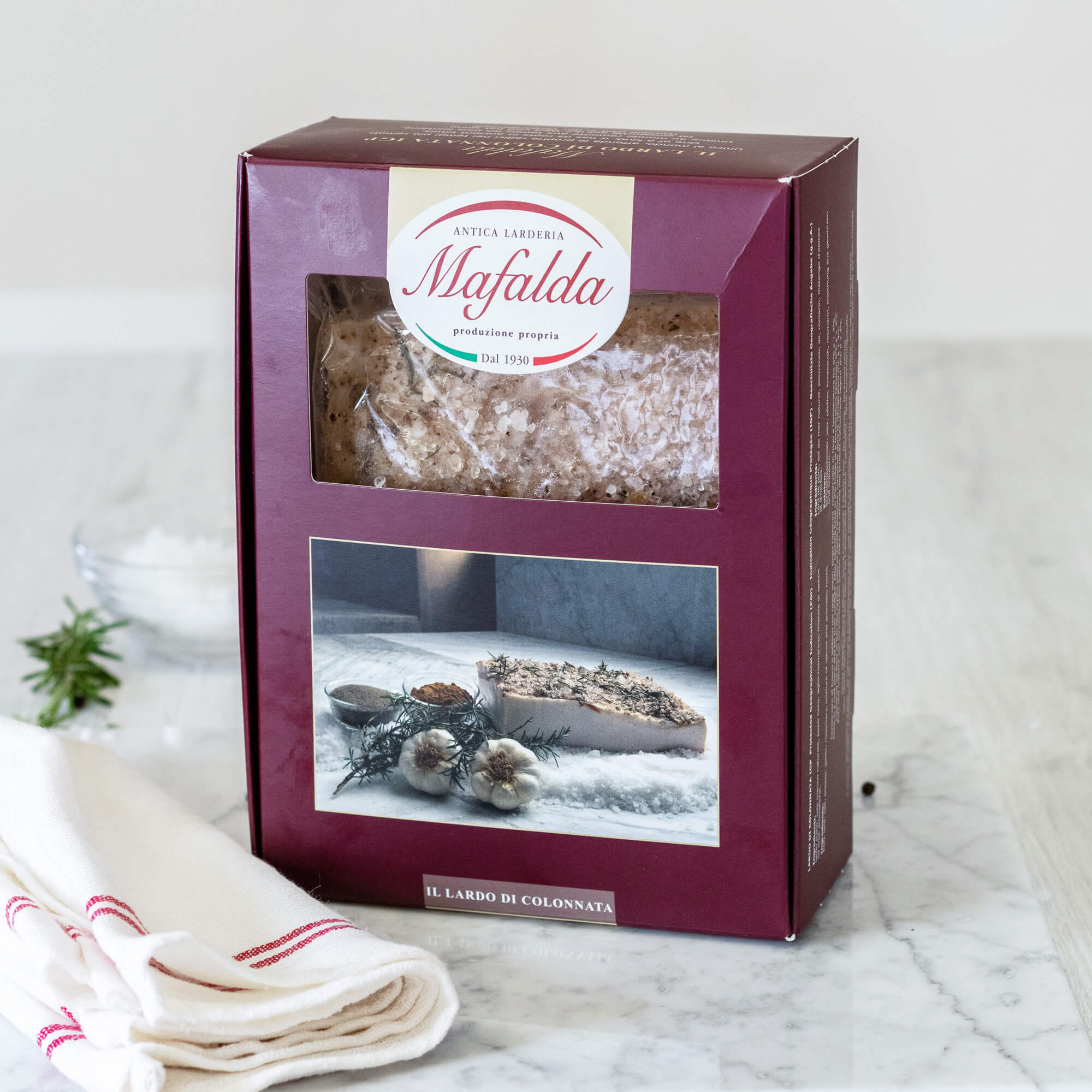
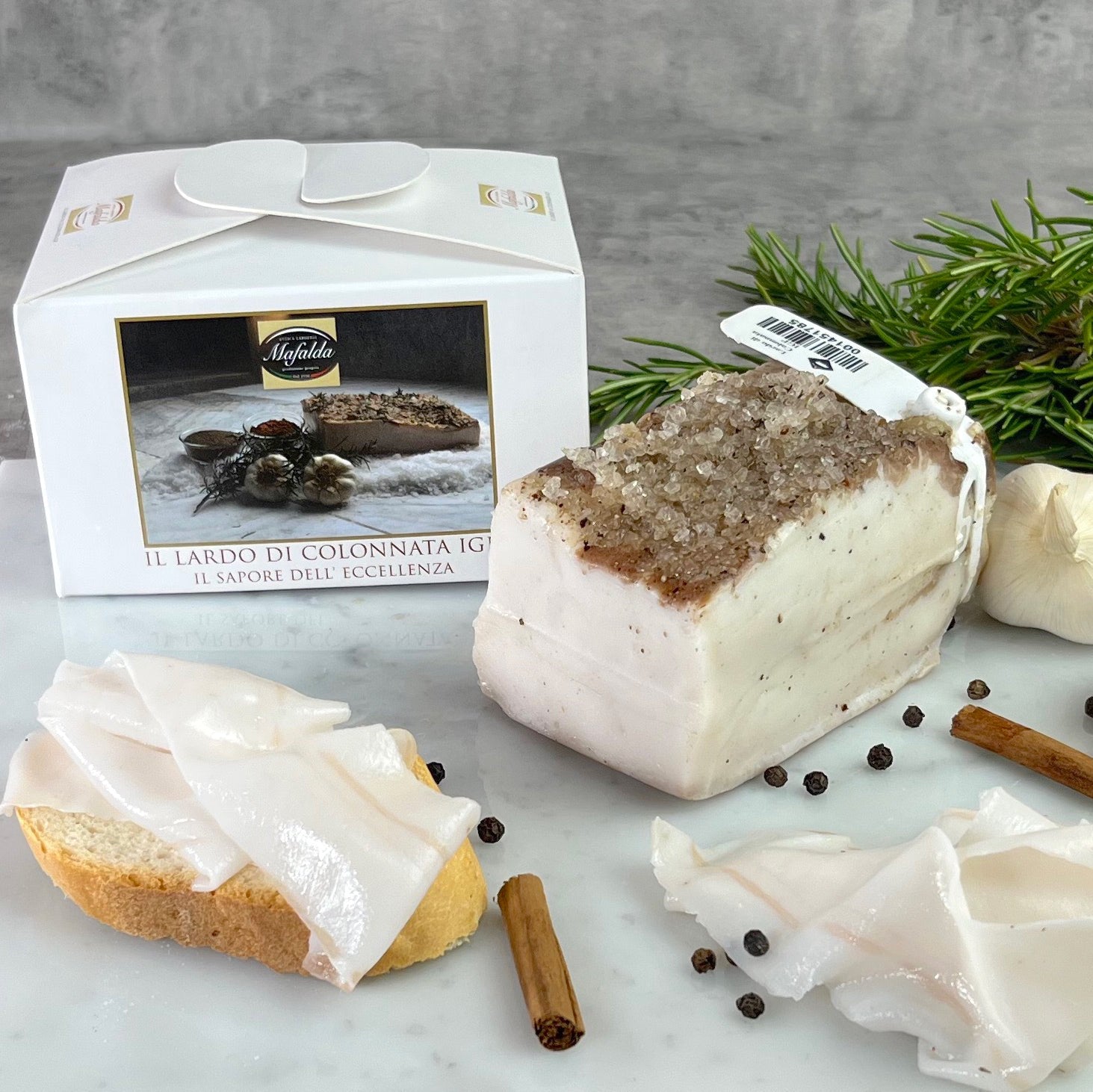
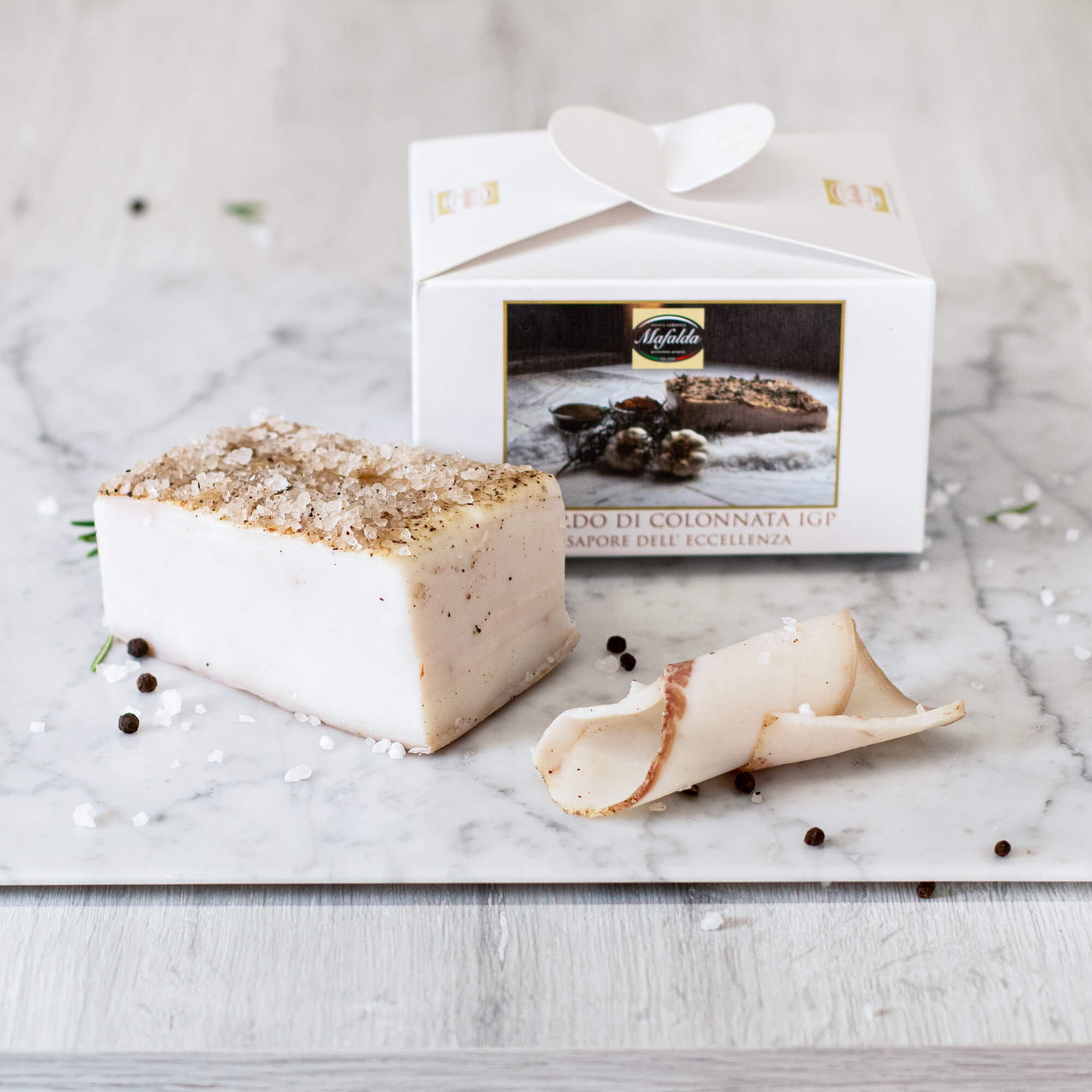
Consuming 700 grams of Colonnata Lard in moderate quantities, as part of a balanced diet , does not necessarily increase cardiovascular risk. On the contrary, it may help provide energy and essential nutrients without negative impacts. However, those with high cholesterol or cardiovascular disease should always consult their doctor before including it in their diet.
The secret lies in quality and moderation
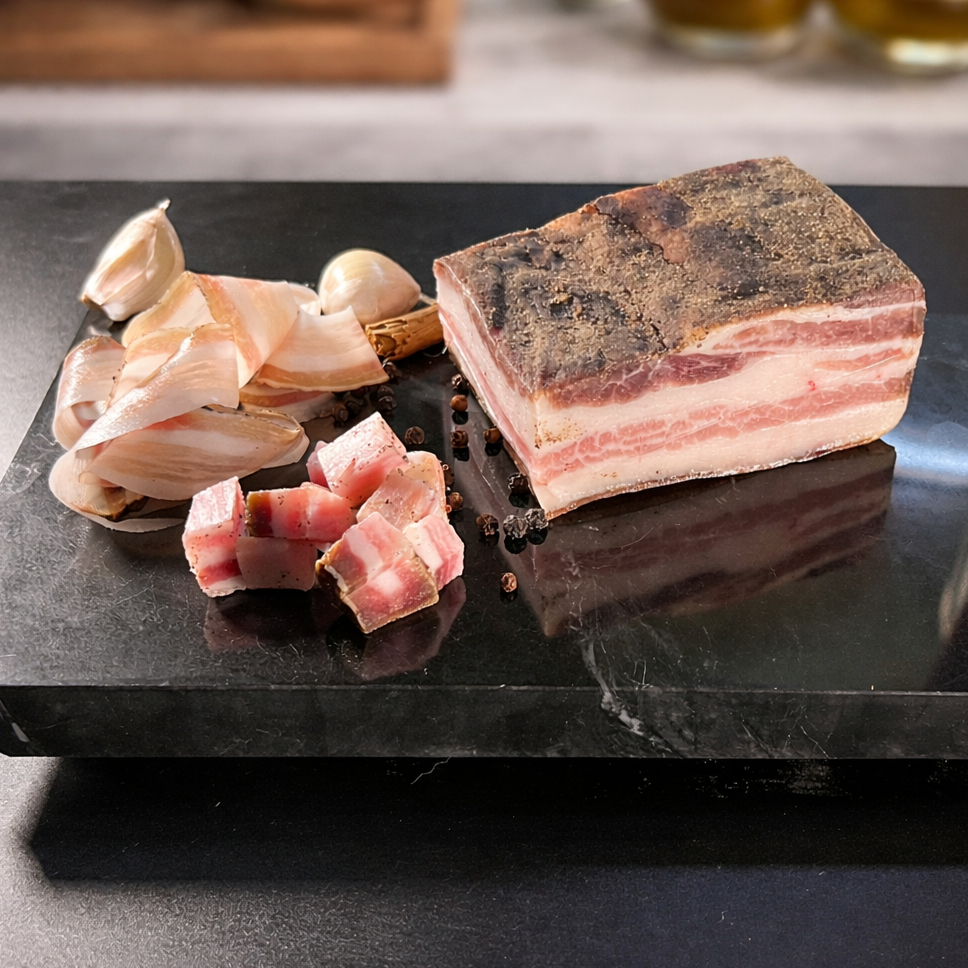
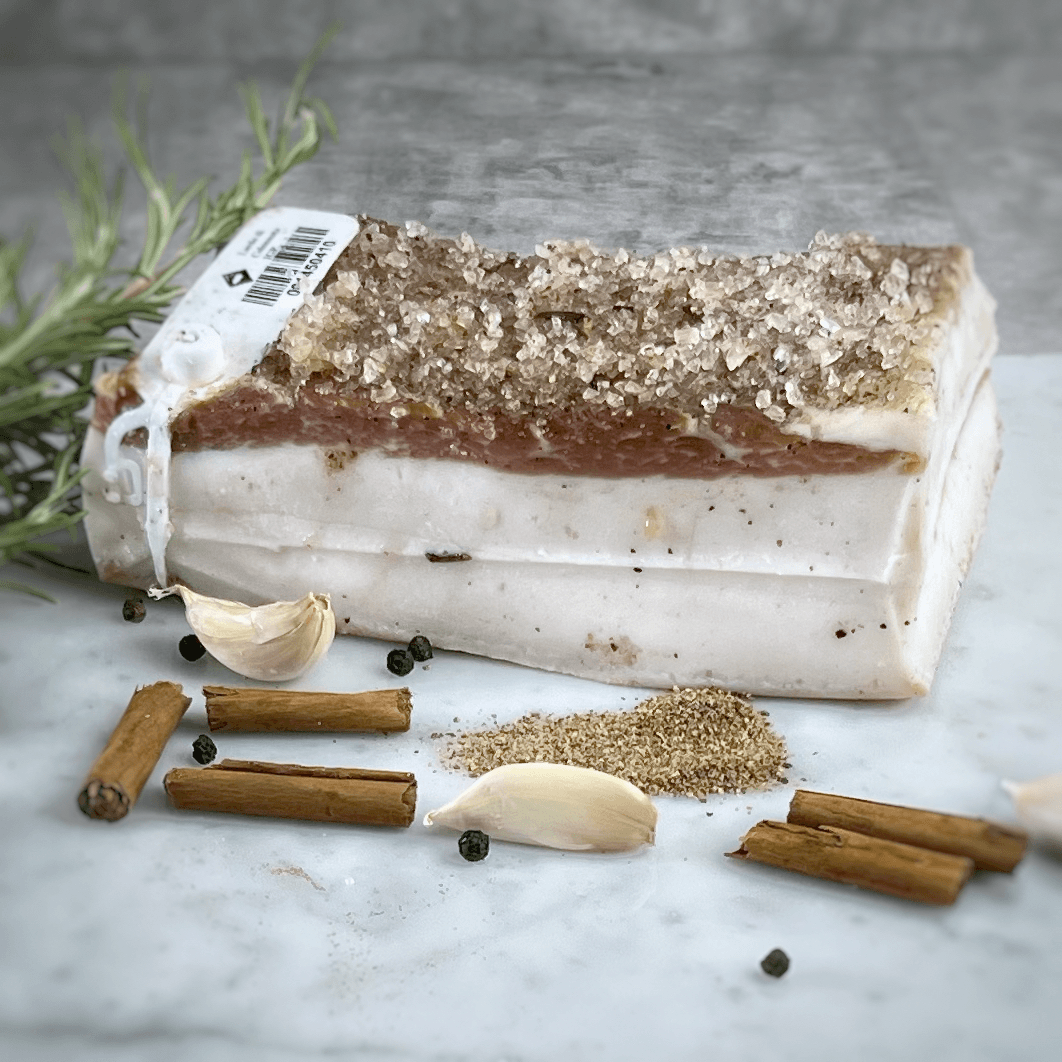
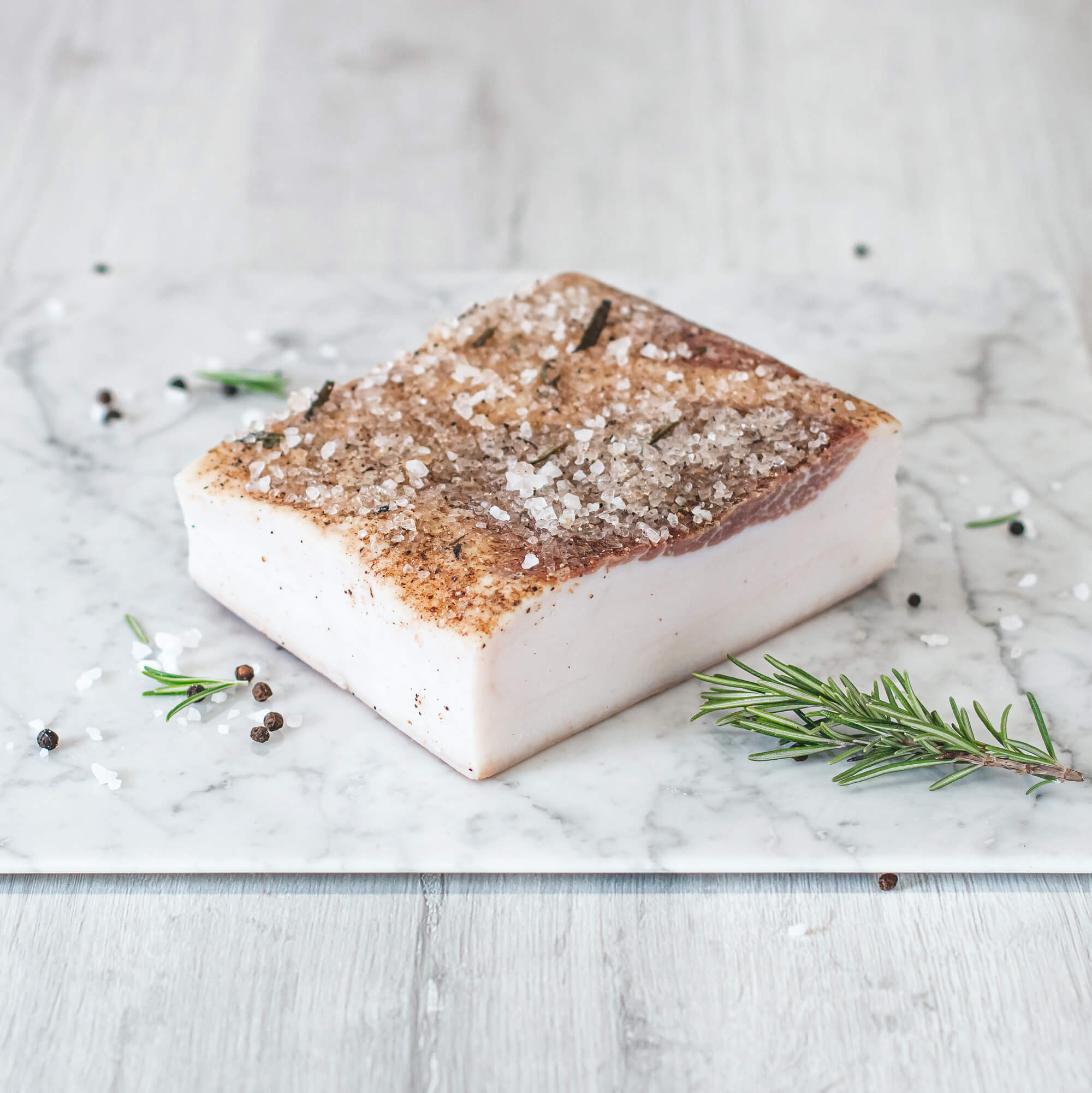
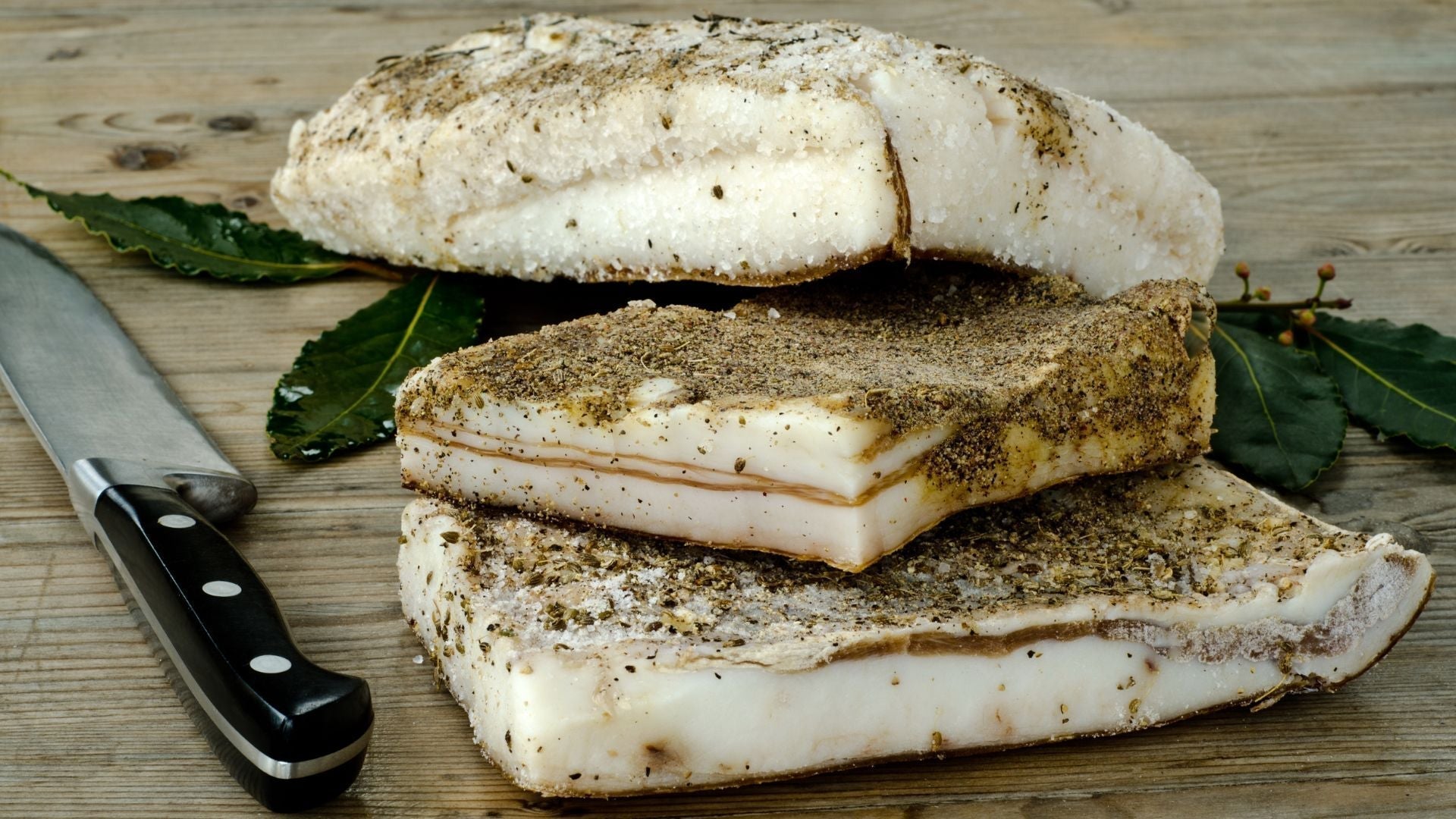
Not all animal fats are created equal. Lardo di Colonnata is produced using a natural method , without artificial preservatives or harmful industrial processes. This artisanal tradition allows for a more authentic product than the low-quality fats found in many processed foods.
The consumption of hydrogenated and trans fats, typical of industrial products like margarine and packaged snacks, has been shown to have a negative impact on cardiovascular health . Lard, however, if of good quality and consumed in the right quantities, can be a less harmful alternative to other industrial fats.
As with any diet, excessive fat consumption can lead to metabolic imbalances , but as part of a balanced diet, Lardo di Colonnata can be enjoyed without any particular risks. To maximize its nutritional properties, it's best to pair it with foods rich in fiber , such as fresh vegetables and whole grains.
Is Colonnata Lard really bad for your heart?
Scientific research suggests that the real threat to the heart isn't lard itself, but excessive consumption of hydrogenated and trans fats , typical of industrial products. The fatty acids found in Lardo di Colonnata are more similar to those found in beneficial foods, such as olive oil, than to the harmful fats found in highly processed foods.
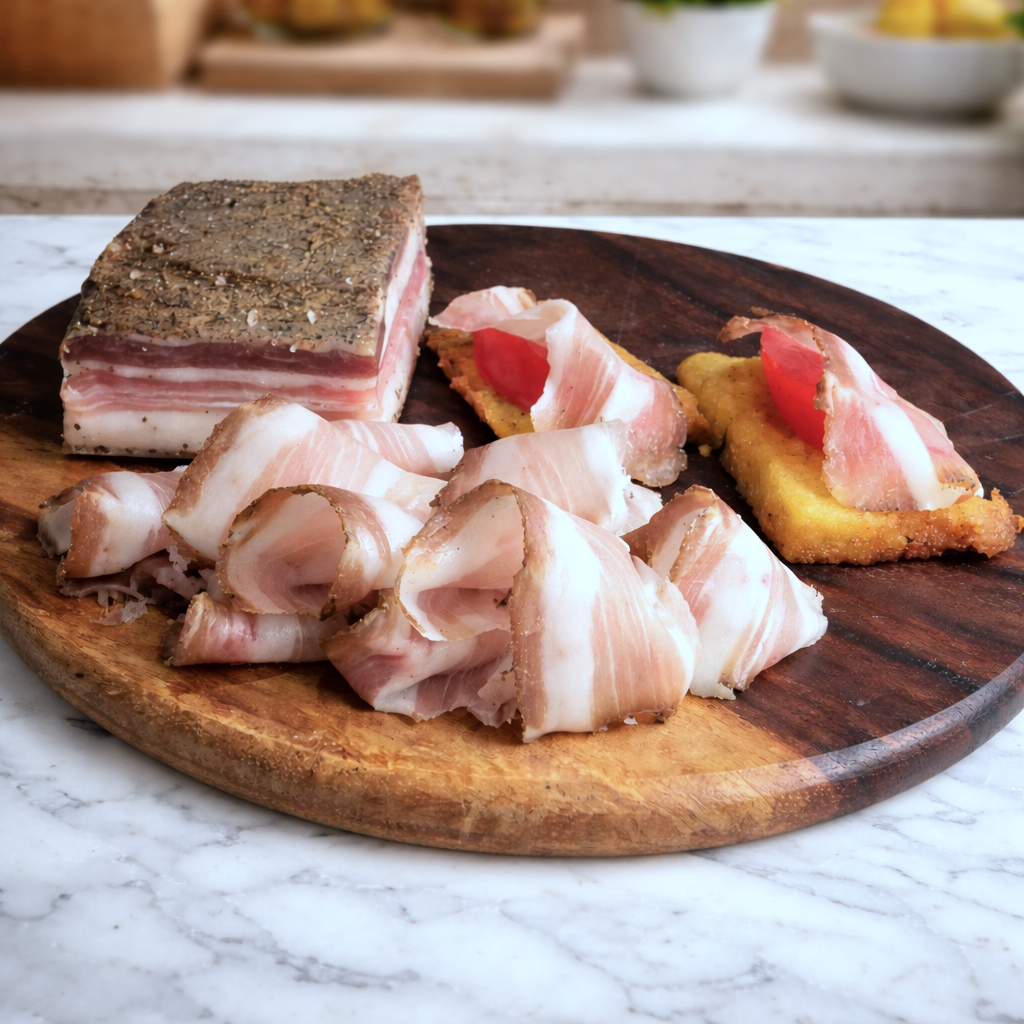
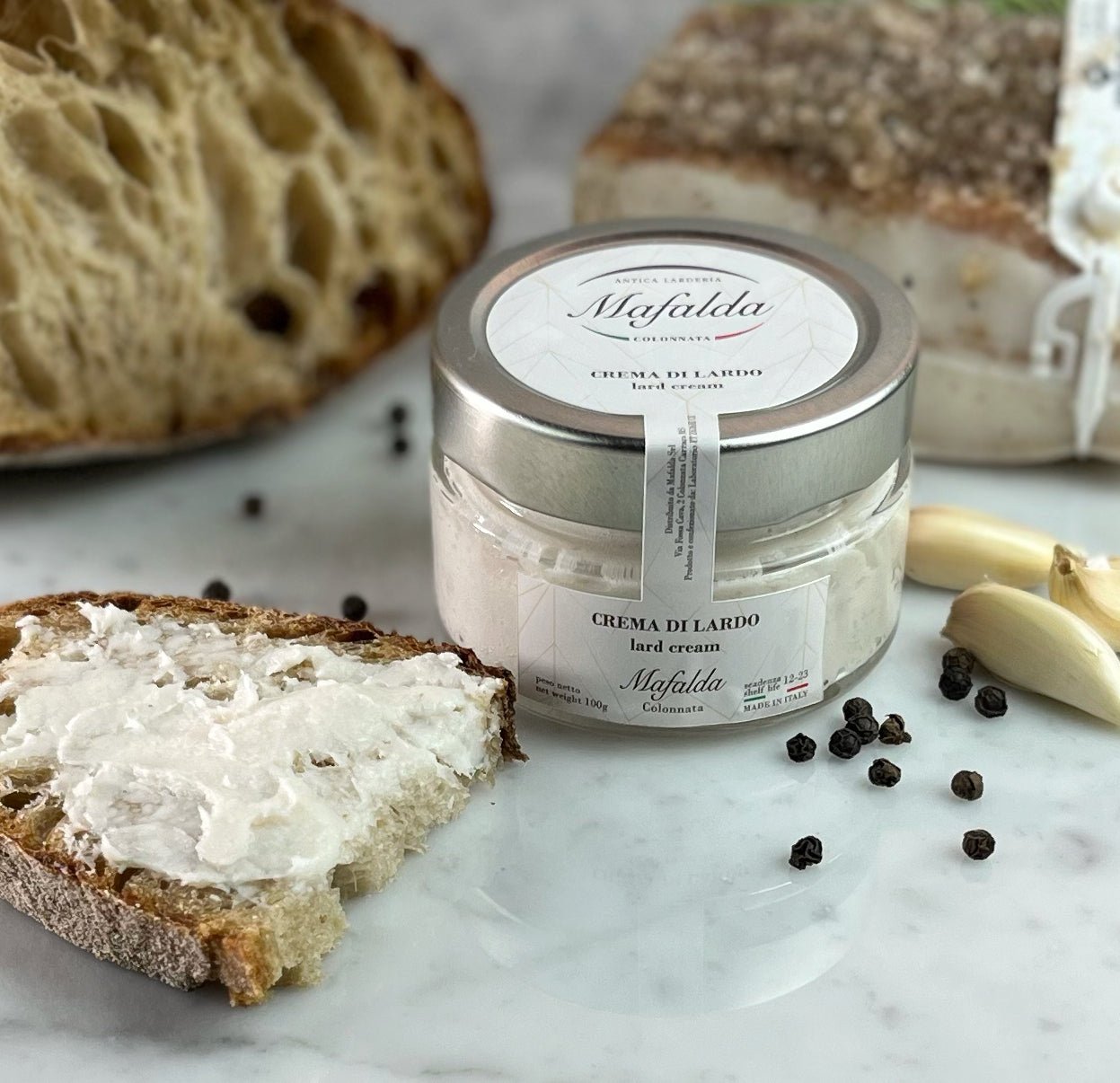
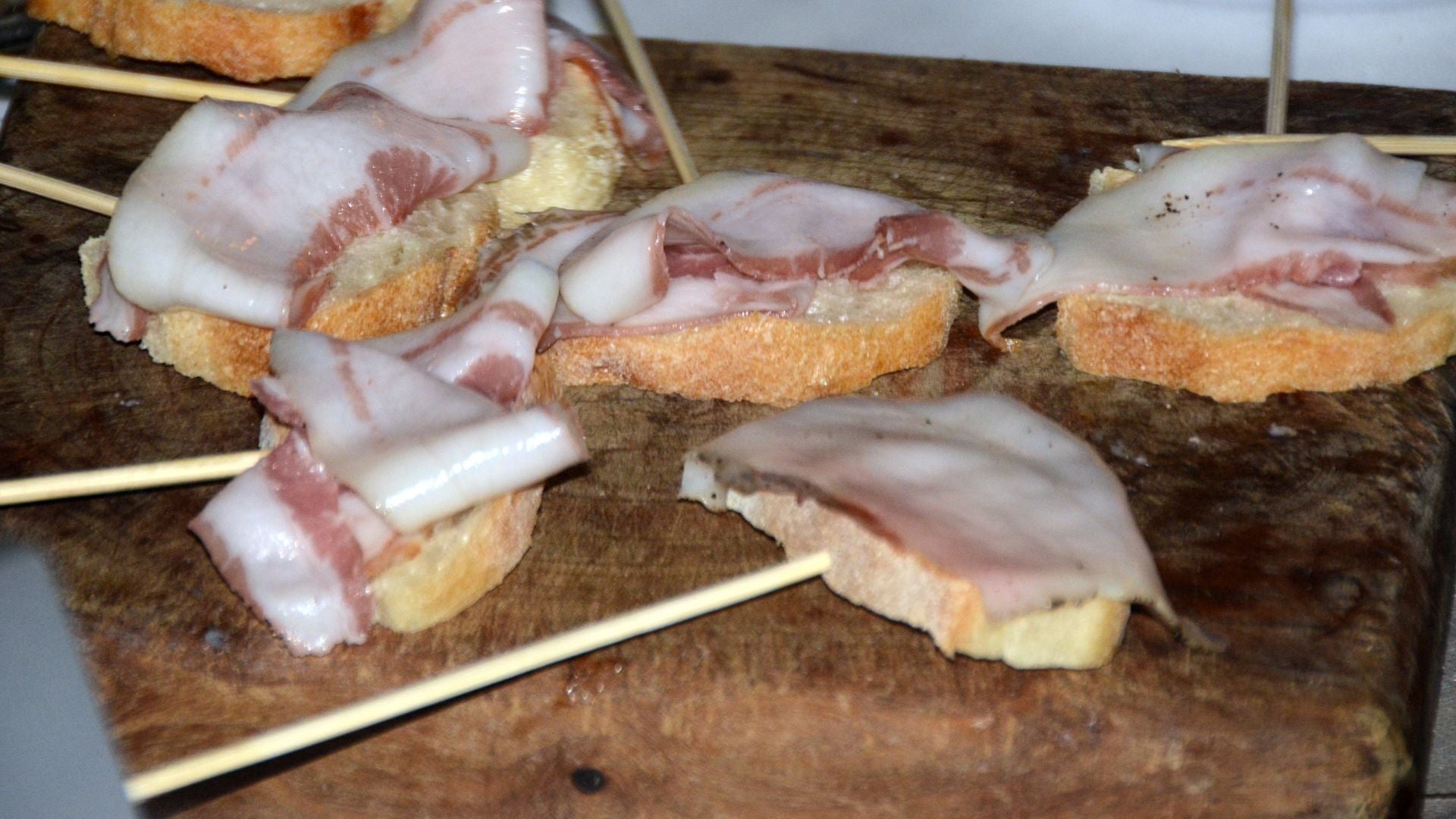
Furthermore, Lardo di Colonnata is traditionally eaten in small portions, paired with whole-wheat bread , vegetables, and other sources of fiber that help balance the meal. This combination allows for slower and more gradual digestion , avoiding glycemic spikes and improving nutrient absorption.
Conclusion
Colonnata lard isn't a health hazard when included in a balanced diet . The key is always product quality and the right amount. If consumed wisely, it can be part of a tasty and healthy diet , without compromising cardiovascular health.
However, it's important to remember that every body is different and may react differently to certain foods . If you suffer from high cholesterol, hypertension, or cardiovascular disease, it's essential to consult a doctor or nutritionist before changing your diet. This article is for informational purposes only and in no way replaces the advice of a healthcare professional.


Leave a comment
This site is protected by hCaptcha and the hCaptcha Privacy Policy and Terms of Service apply.