COLUMN

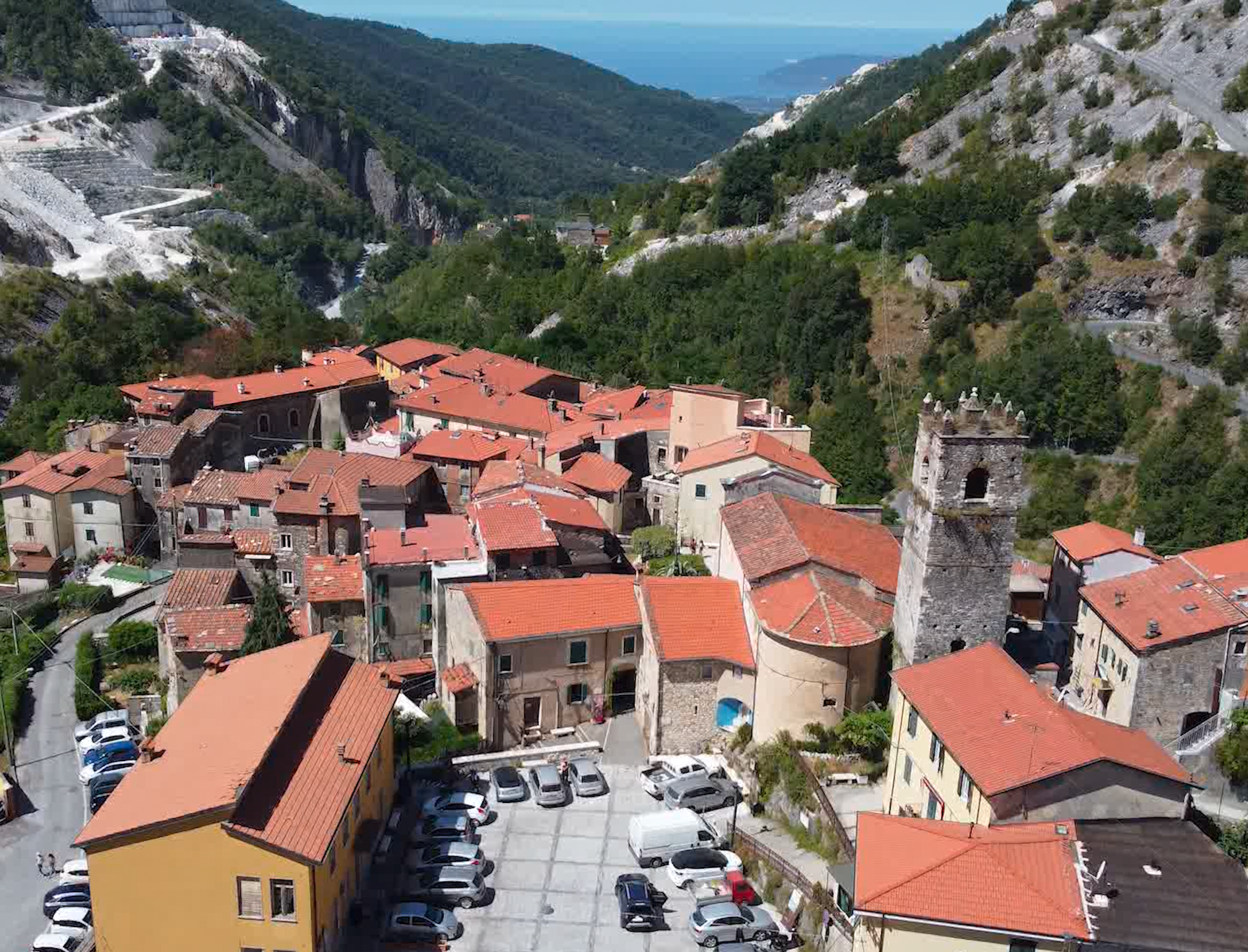
Hamlet of Carrara in the Province of MassaCarrara. Ancient village of marble quarrymen whose origins date back to Roman times as it was used for the excavation of marble having as its base the no longer existing port of Luni in the Sarzanese area. It stands at about 700 meters above sea level, in the heart of the marble center of the Apuan Alps. It is about 7 km from the city of Carrara. It is nestled between the crushed crests of the "Campanili", the imposing "ravaneto" of "Vandreta", the "Vergheto" woods and the "Canaloni" quarries.
The origin of the name "Colonnata" has been explained in two different ways. According to some, the toponym derives from the Roman colony that in 40 BC. it was established for the purpose of housing the slaves to work in the quarries. According to others, it derives instead from the fact that from those quarries the Romans obtained the marble columns (partly worked on the spot) necessary for the construction of the temples of Rome. The Colonnata quarries were very famous in the Roman world, their marbles had replaced the Greek ones of Paro and Pentelico. Even today the Roman “tagliate” can be seen in the valley. Country of quarrymen, Colonnata has been producing lard since time immemorial.
Food represented the main food of the "marble men" who got up a few hours before dawn to walk up the steep slopes of the quarries. And they brought with them loaves of bread and suspicions of compote: Lard. “Lard rich in calories, which sticks to the lungs, which is so good for your health; that melts in the mouth, that there is nothing better "; the marble quarrymen whispered, also to console themselves to eat a poor man's food every day, kept in a cool place like the old cellars in the rock. Hence the mastery of preparation, which enhances the ingenuity of the inhabitants. The lard, in strips, is placed in a marble “basin”: that of the “Canaloni” with a very fine grain, carved by hand, where nothing vanishes. The Colonnata lard is now present on the tables of the characters and in the most celebrated international places. There are many, too many, who counterfeit the brand and the quality. The great blender of the consumer society turns faster and faster and tries to homogenize the most diverse, remote and genuine things. But of Colonnata lard, there is only one and it is found up there, among the white marble quarries of the Apuan Alps.
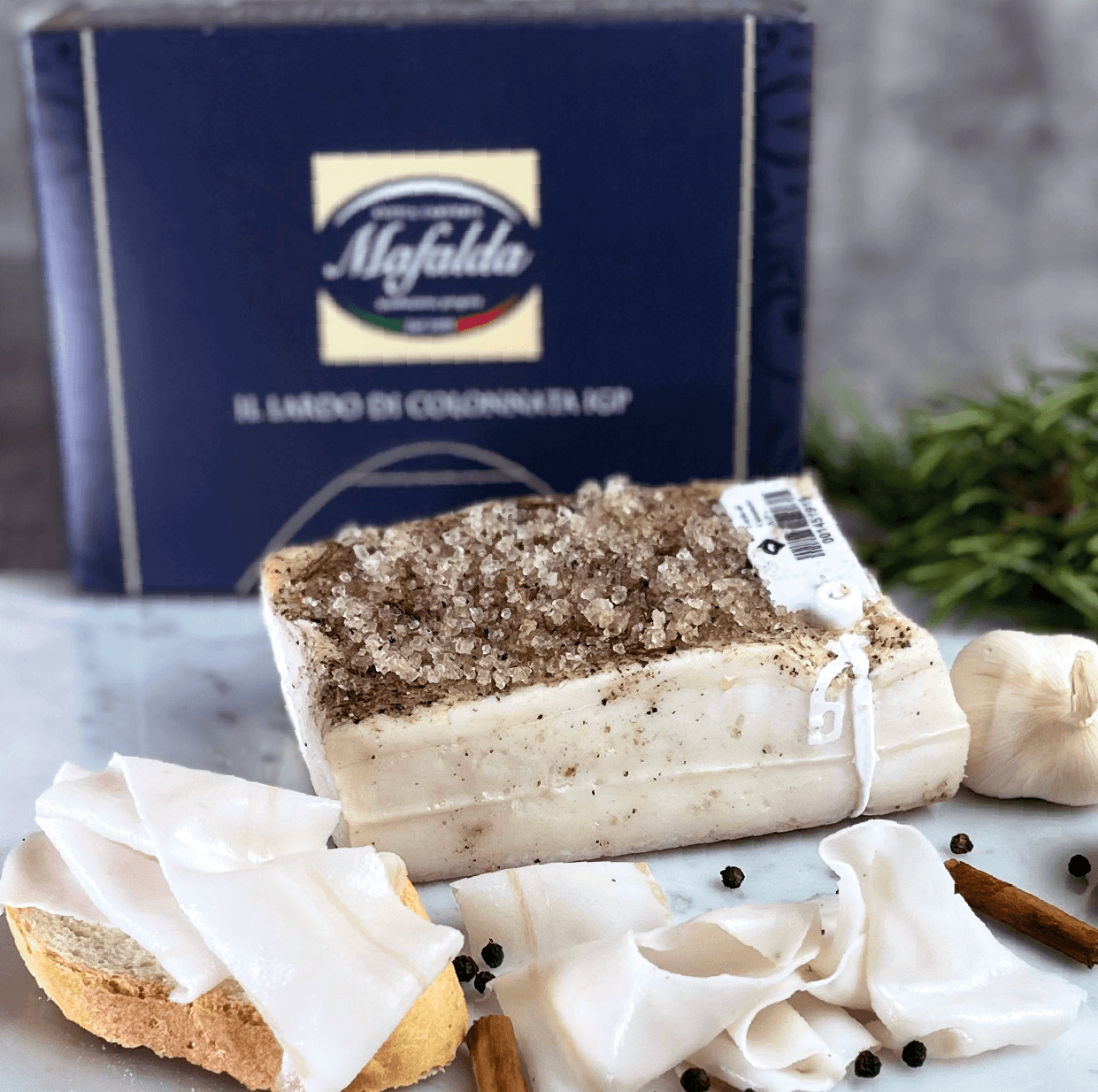
Colonnata lard
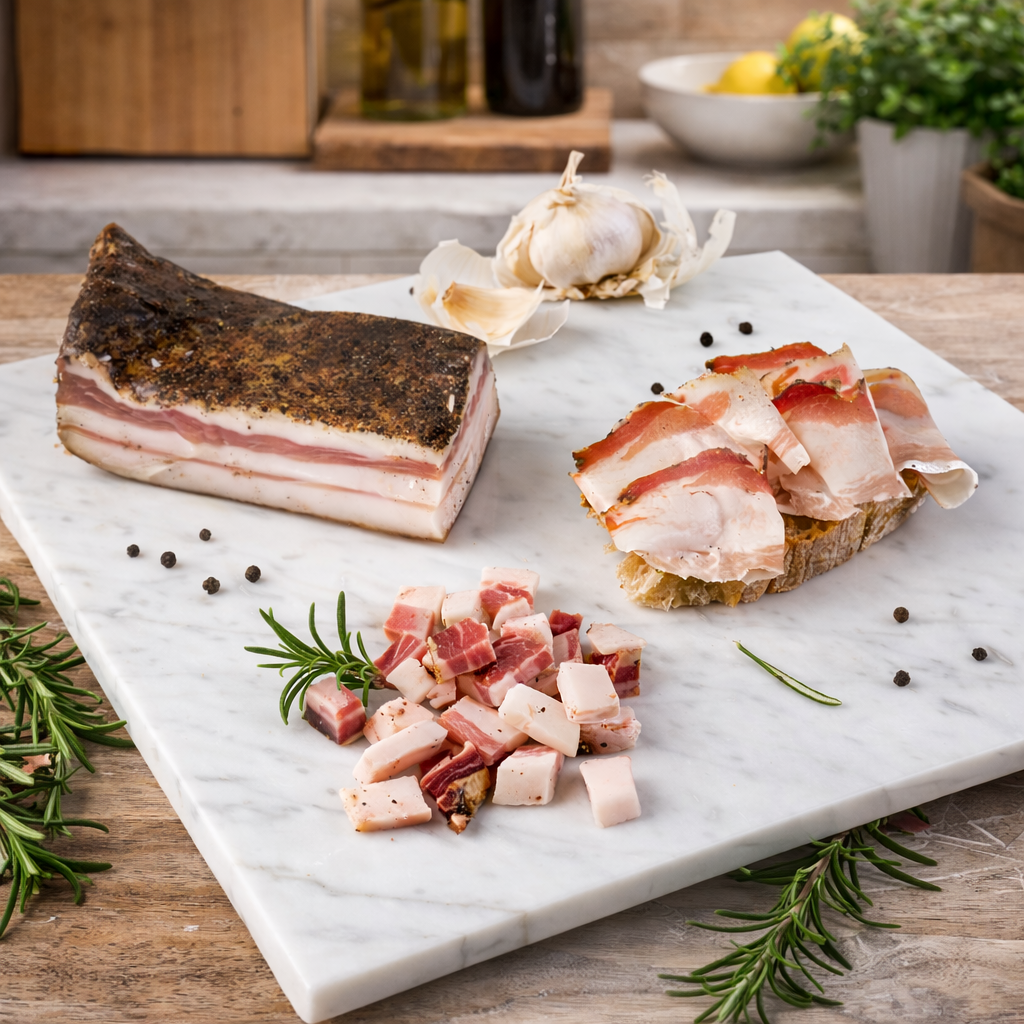
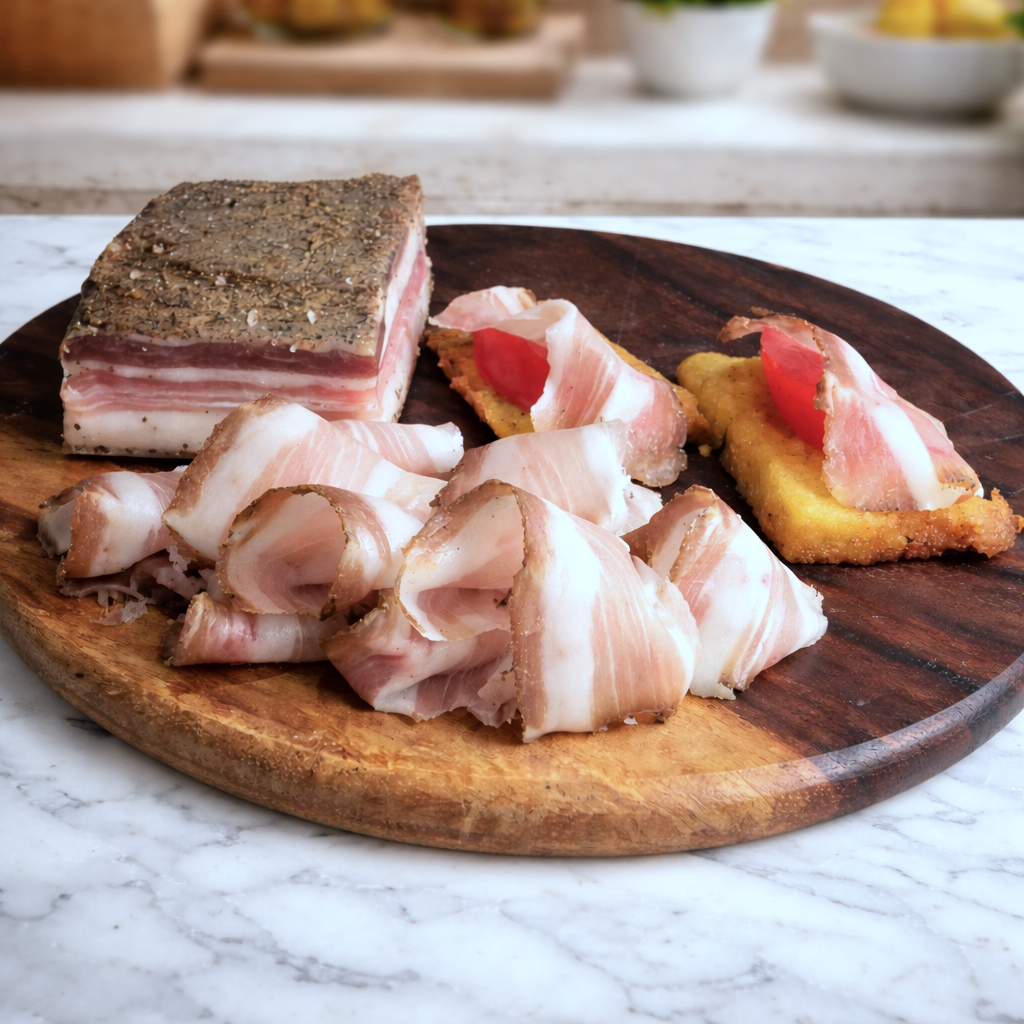
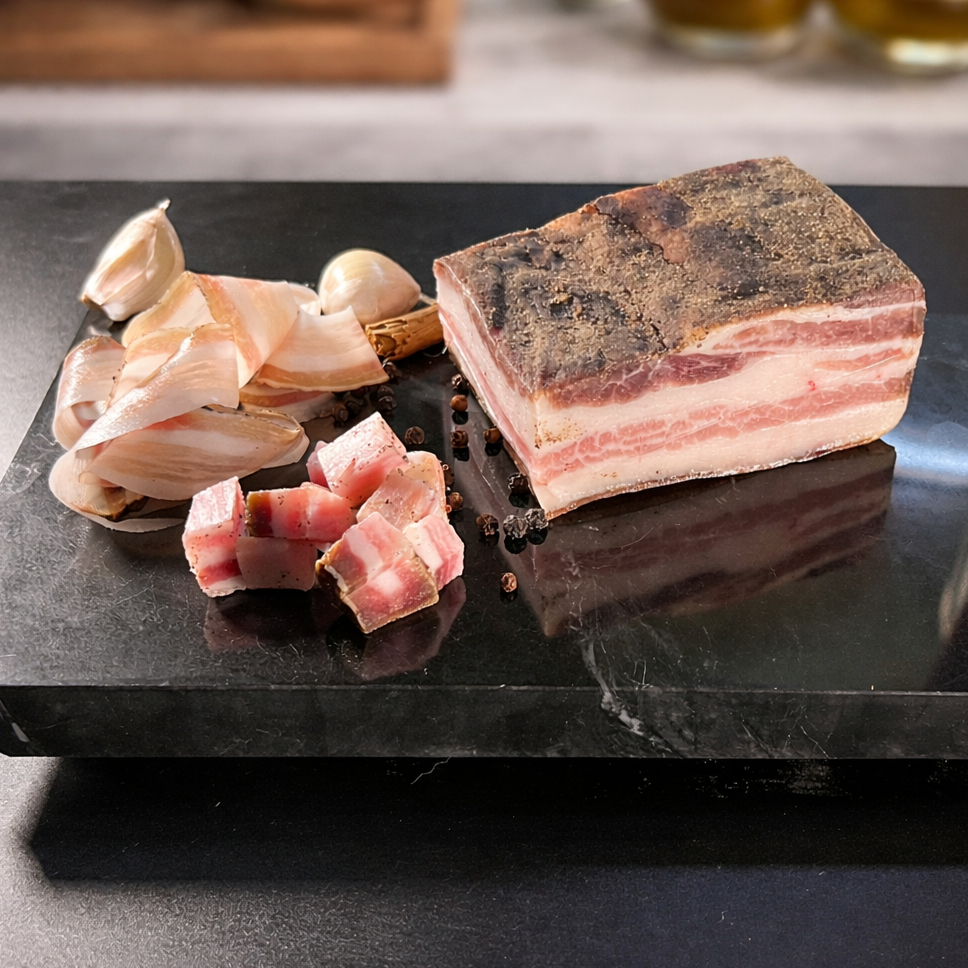
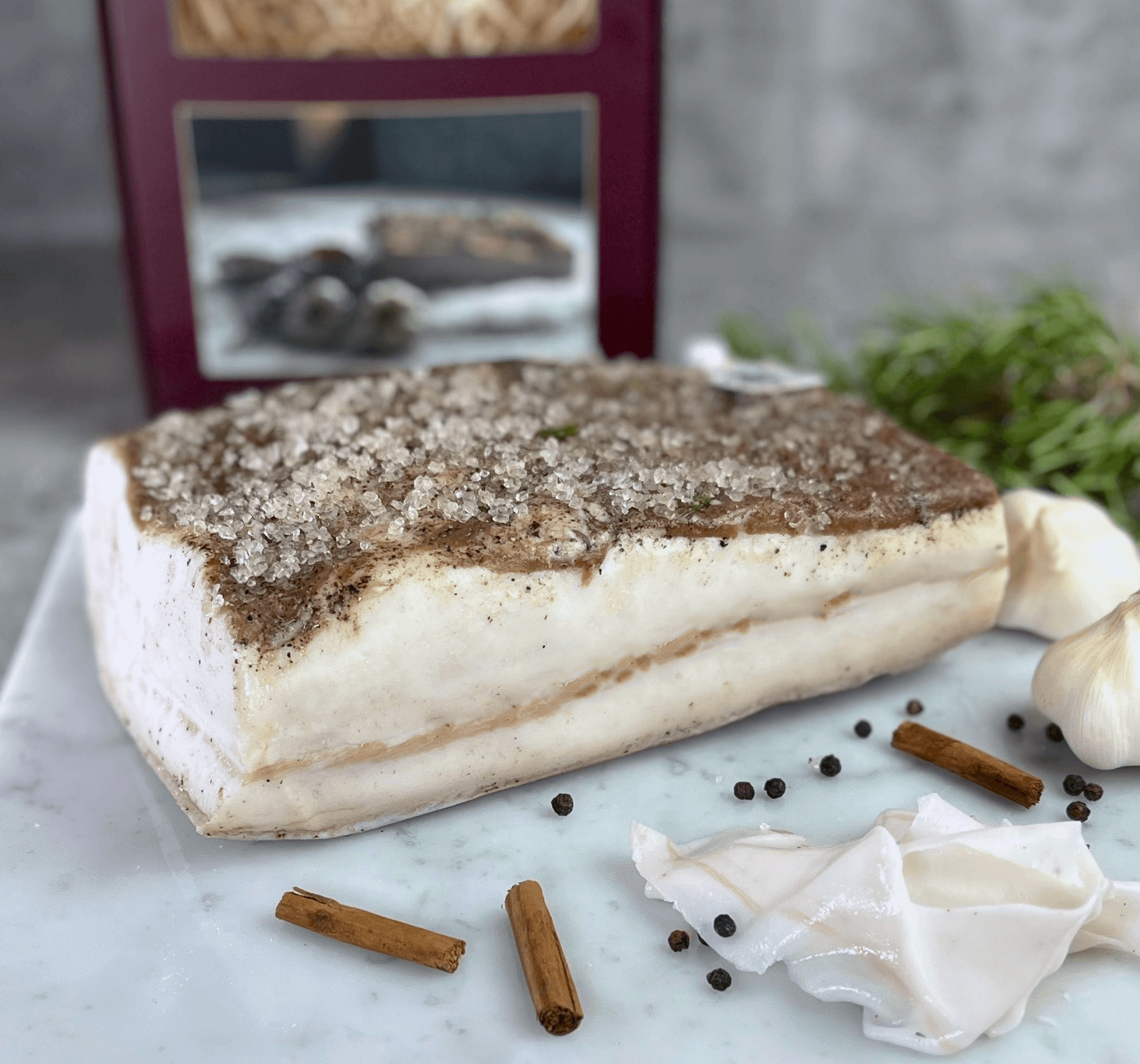
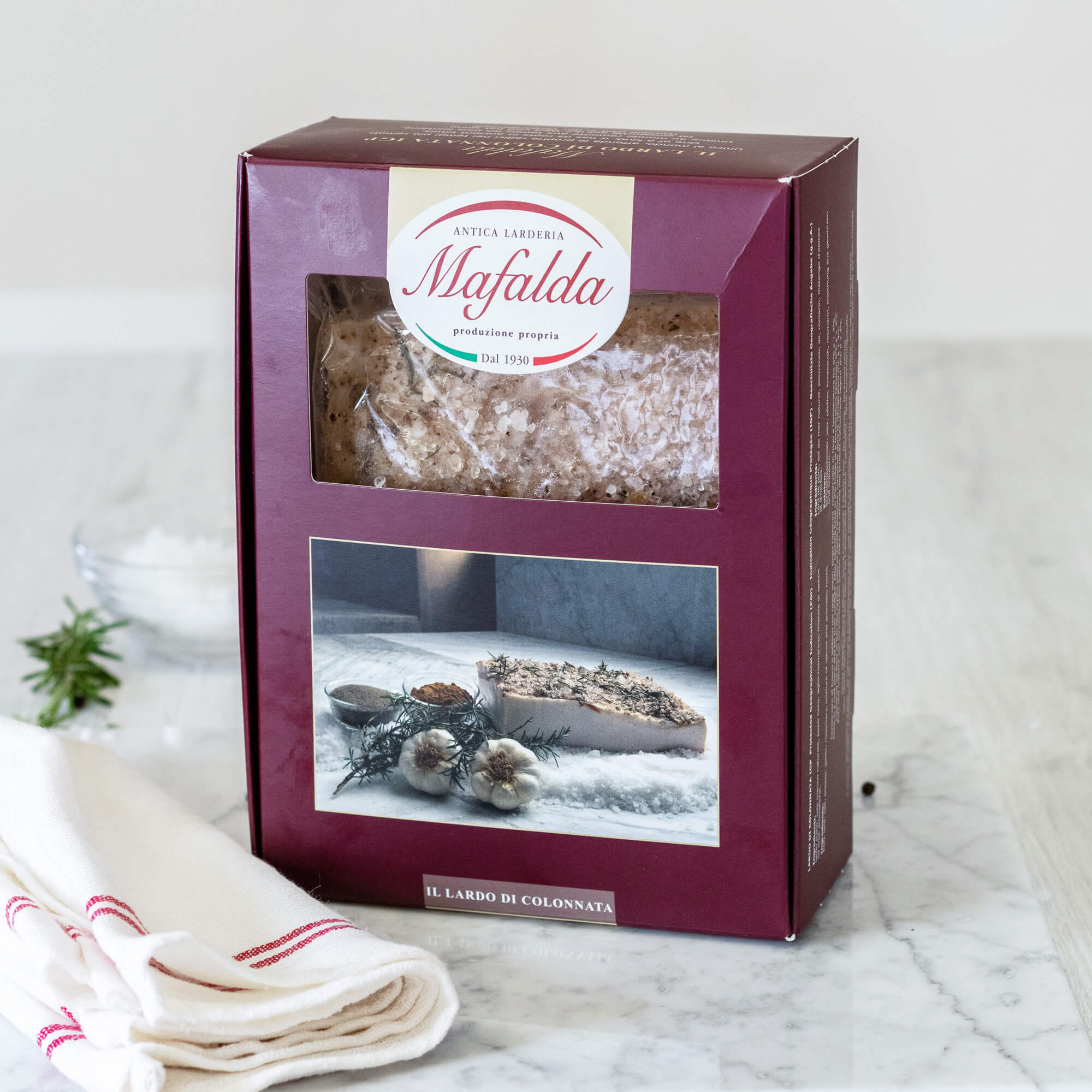
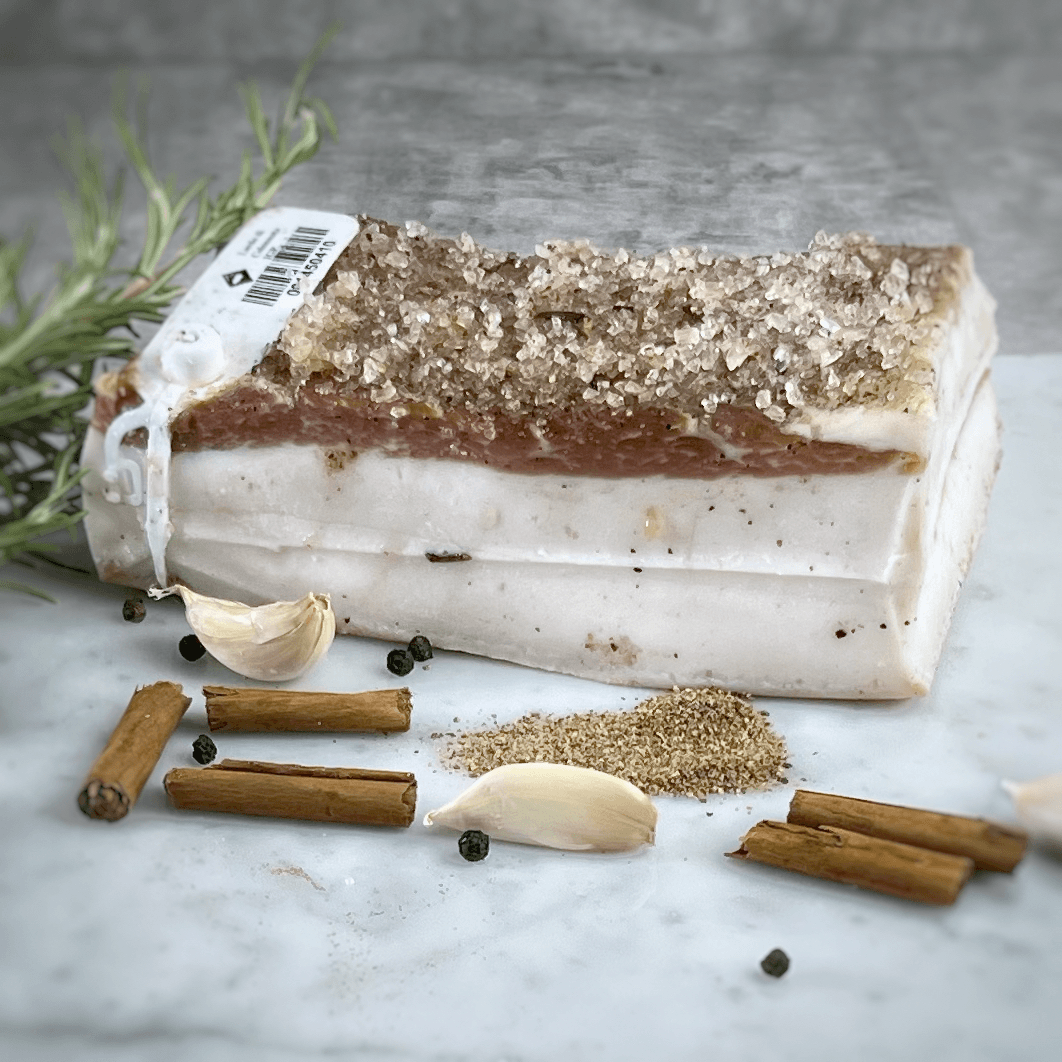
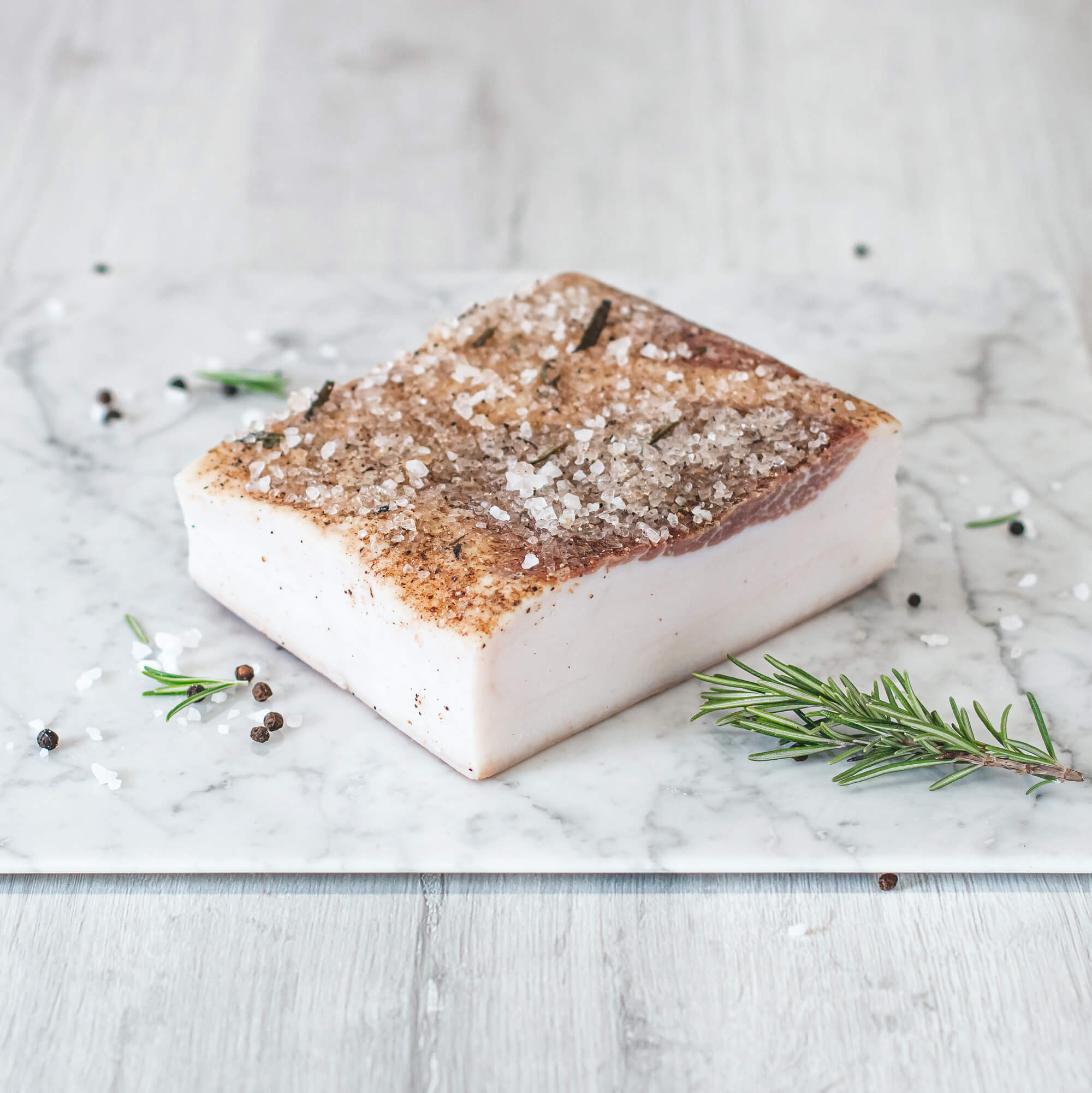
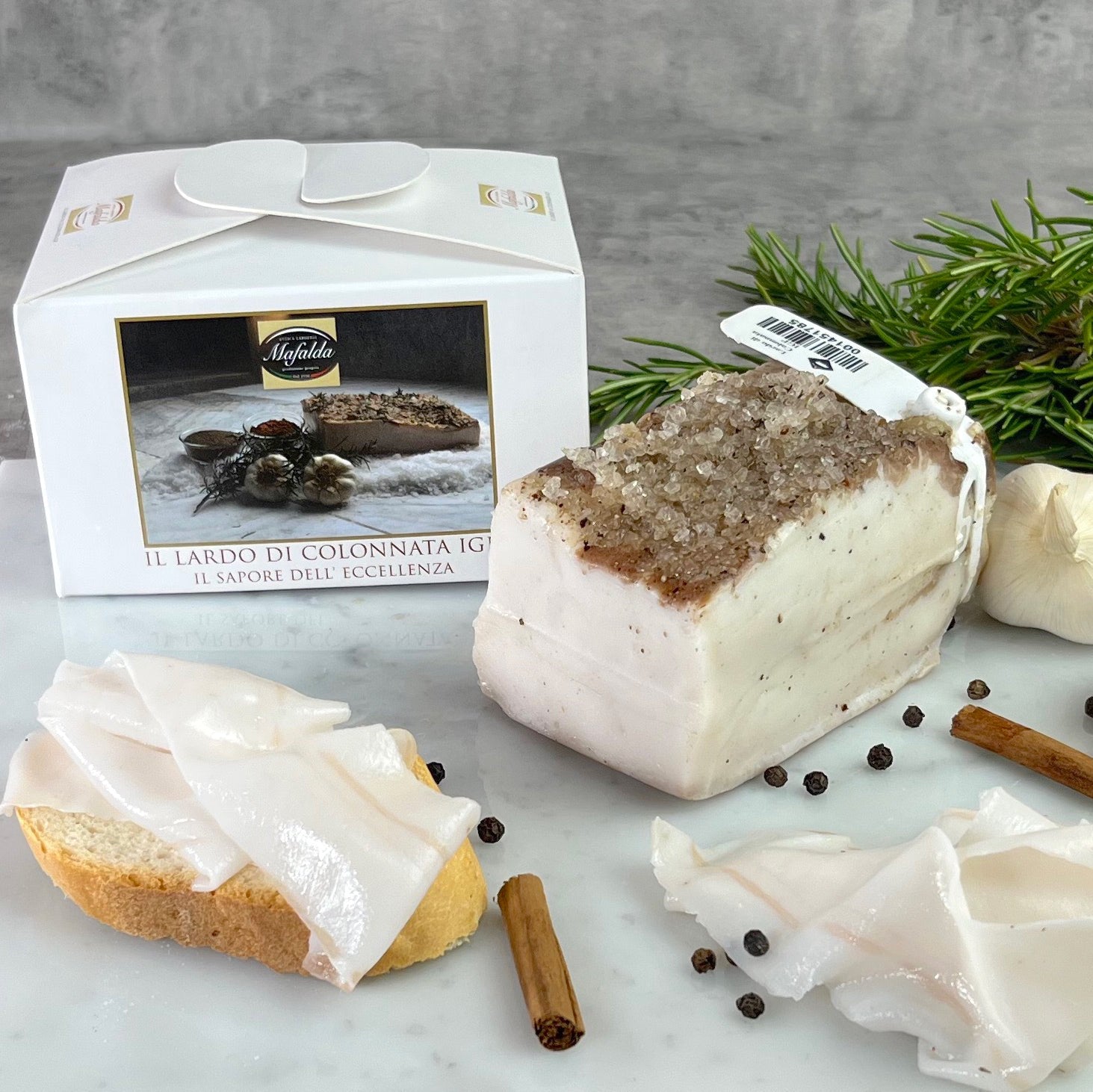
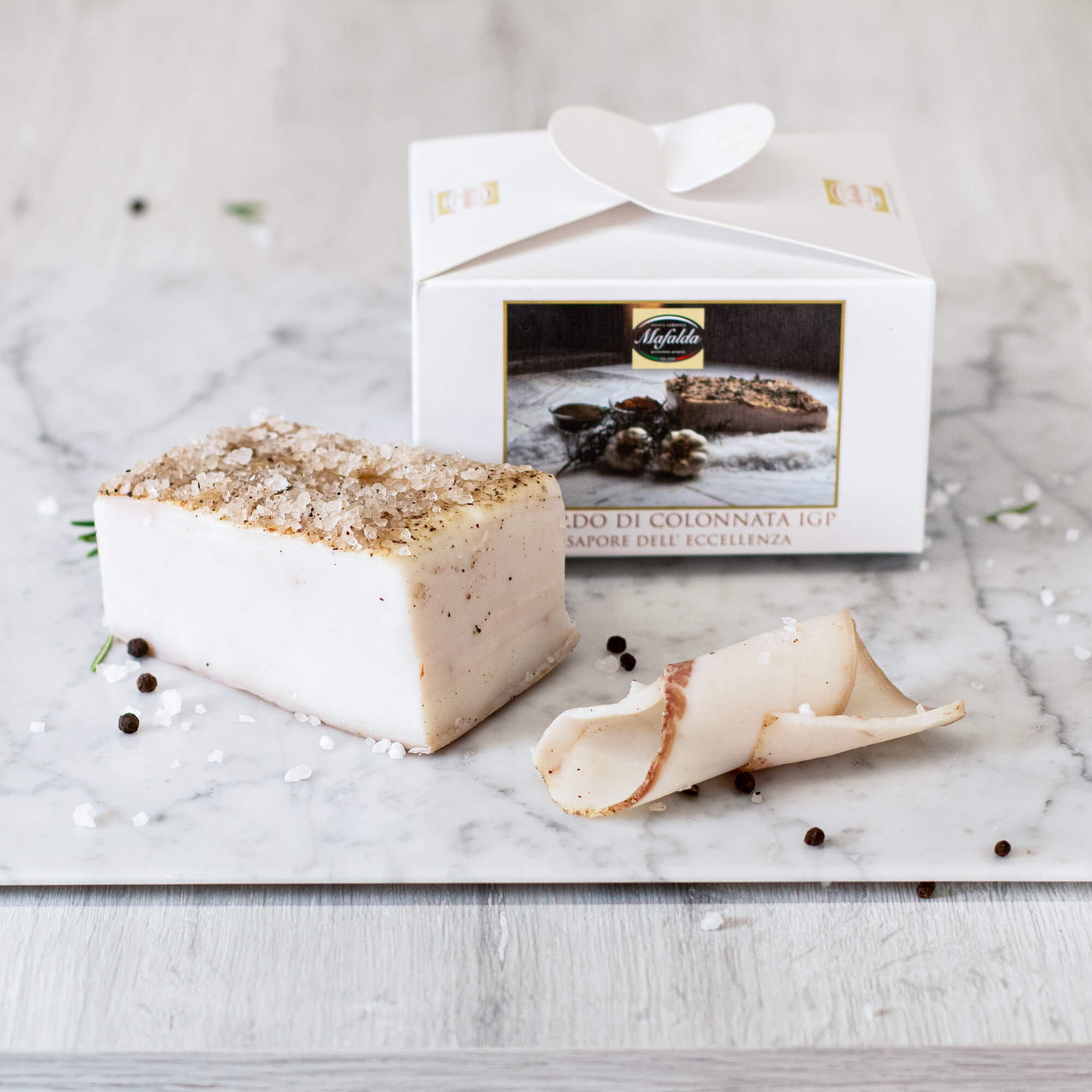
Colonnata lard is produced according to an ancient local tradition . It is dry-salted, then flavored with garlic, rosemary, black pepper, cinnamon, nutmeg, and cloves. It is then left to mature for at least six months in marble basins , where it acquires a unique aroma and flavor.
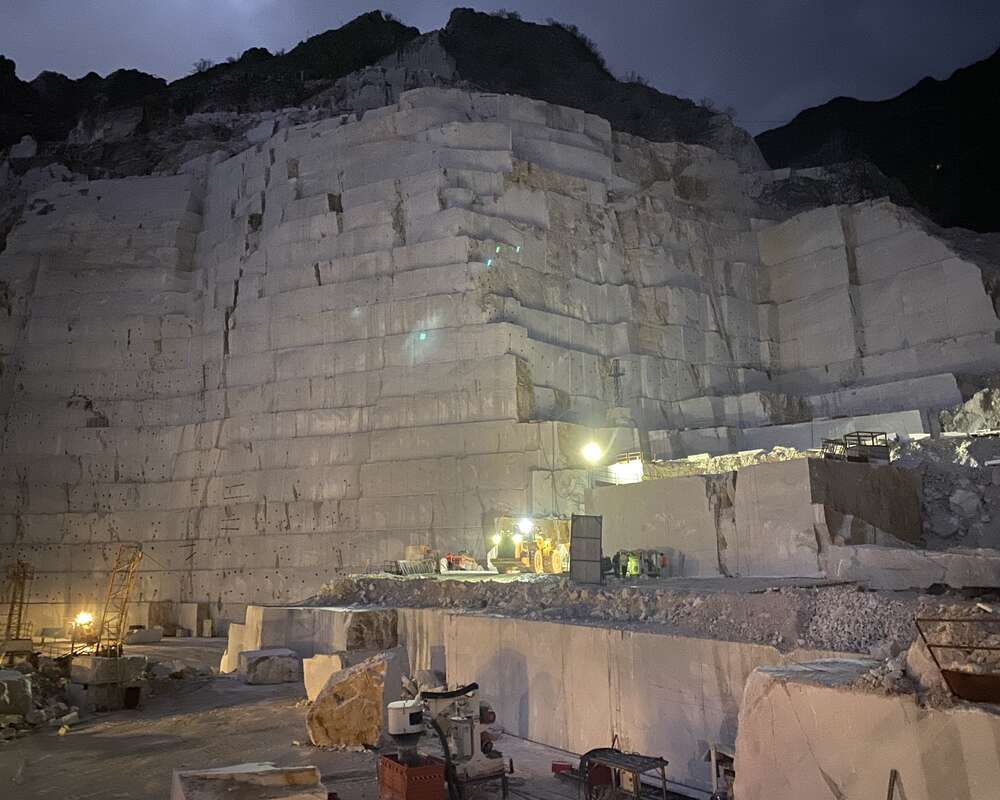
The marble of colonnade
Thewhite marble from the Colonnata quarries has an extremely fine, compact grain and is free of impurities. This quality makes it perfect not only for sculpture and architecture, but also for curing lard and other kitchen uses, such as cutting boards, coasters, and pot holders.
Between tradition and tourism
Today, Colonnata is a charming village that attracts travelers from around the world . Strolling its narrow streets, visiting the quarries, and tasting the original lardo is an authentic experience. Food and wine events, artisan workshops, and panoramic views make Colonnata an unmissable destination for those who love history, nature, and good food.
Colonnata Products


Recently viewed
