What is lard? History, uses, and great Italian delicacies
Lard is one of the oldest products of the Italian gastronomic tradition . Obtained from the subcutaneous fat of pigs, it has been a valuable and accessible source of nourishment for centuries. But the history of lard is much more than a simple food chronicle: it bears witness to a profound connection between man, the land, and its resources . Depending on the region, lard has evolved with different methods and flavors, giving rise to truly excellent products. Among these, Lardo di Colonnata undoubtedly stands out, today a symbol of Italian artisanal quality recognized throughout the world.
The origins of the history of lard
Since ancient times , lard has been a fundamental resource for the diet of rural populations. The Romans already used it, both as a table ingredient and as a cooking fat. But it was in the Middle Ages , particularly in mountainous and rural areas, that lard became a staple of everyday diets . Easy to preserve, rich in calories, and readily available after the pig was slaughtered, it was perfect for tackling long winters or hard days working in the fields and quarries.
Each region developed its own curing technique , taking advantage of the natural environment and available resources. Thus, from necessity, a profound gastronomic culture was born, based on attention, balance, and ritual. This was the beginning of the journey that would lead to the creation of regional lards with a strong identity .
How lard is made and how it is used
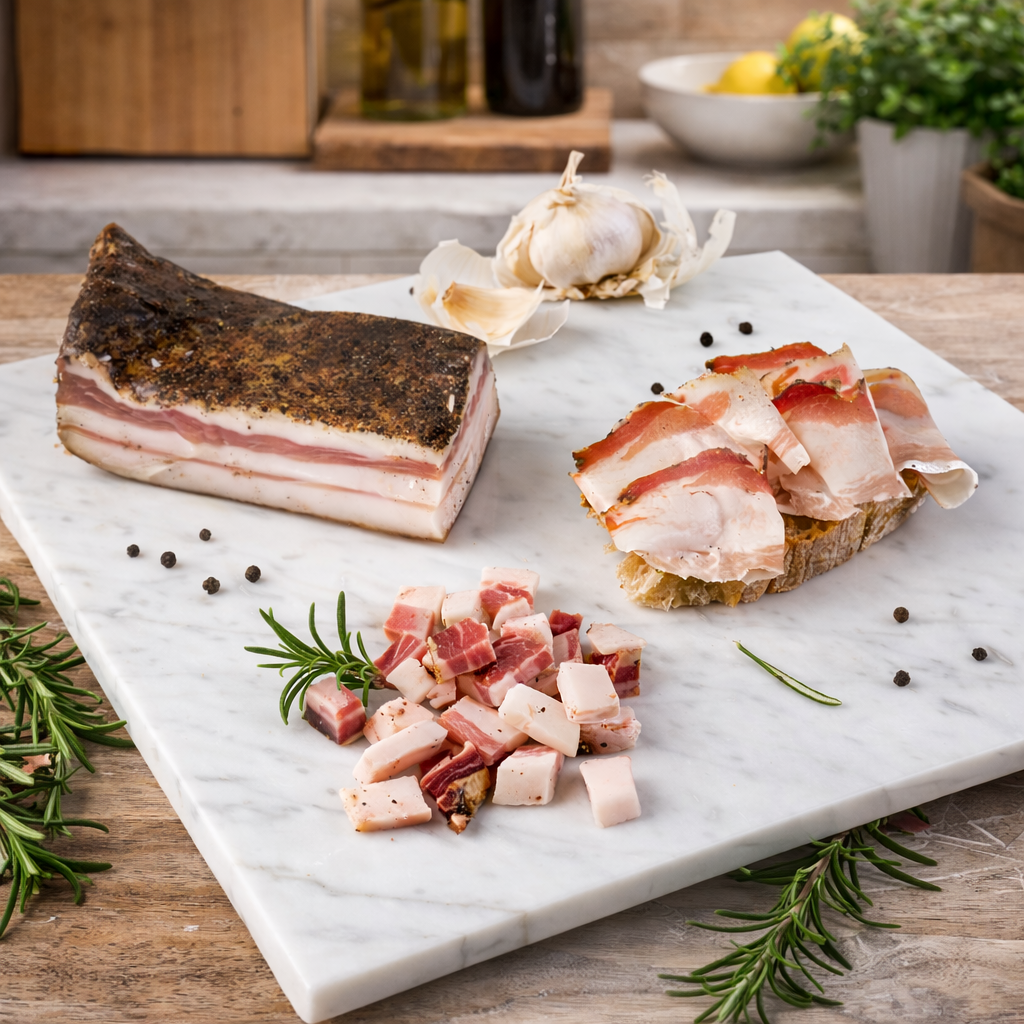
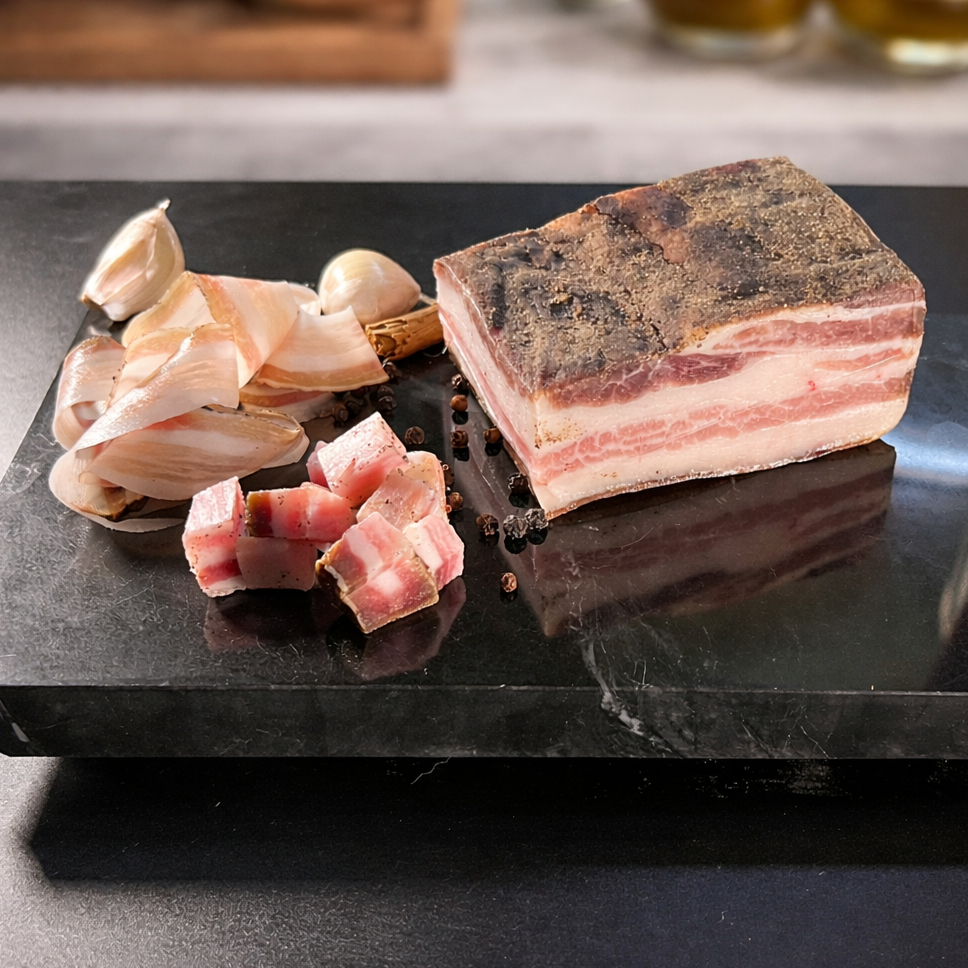
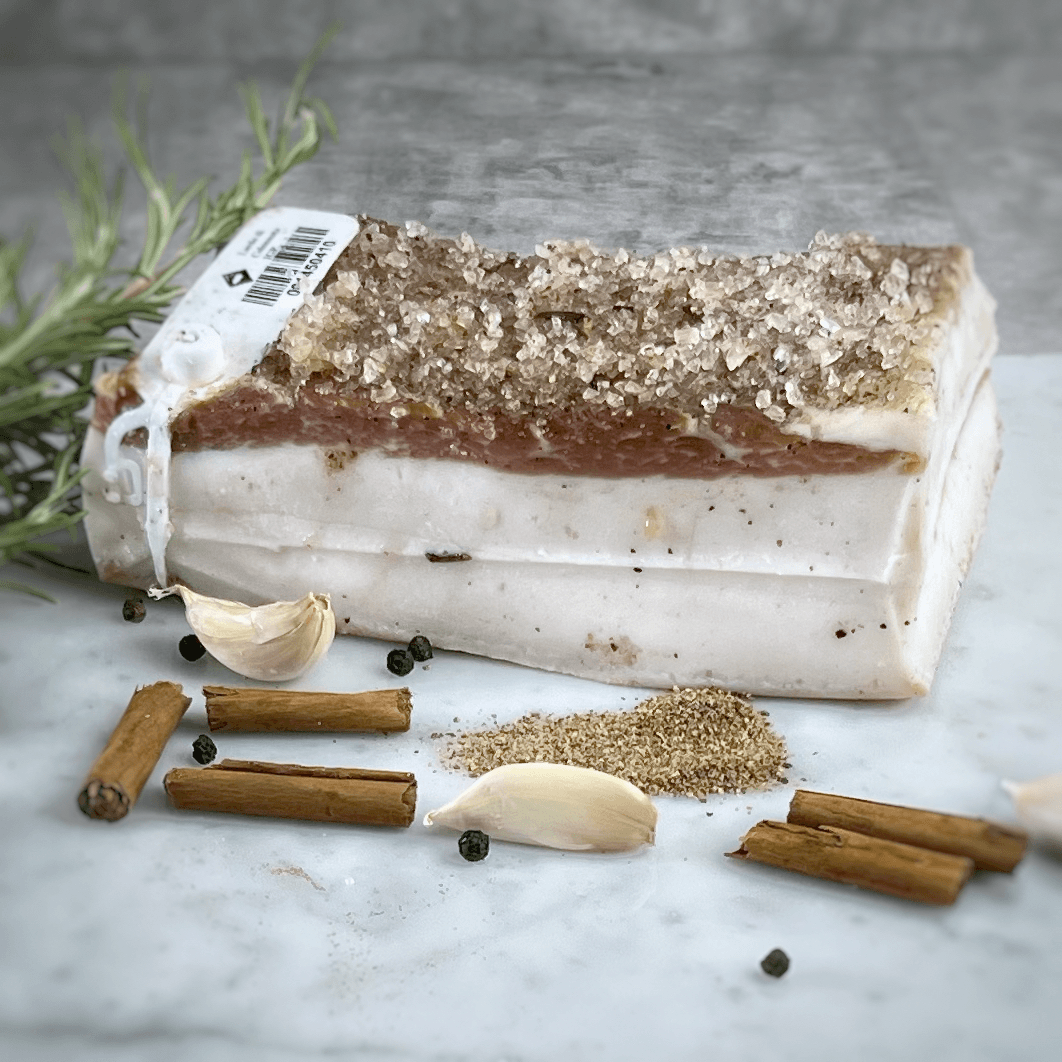
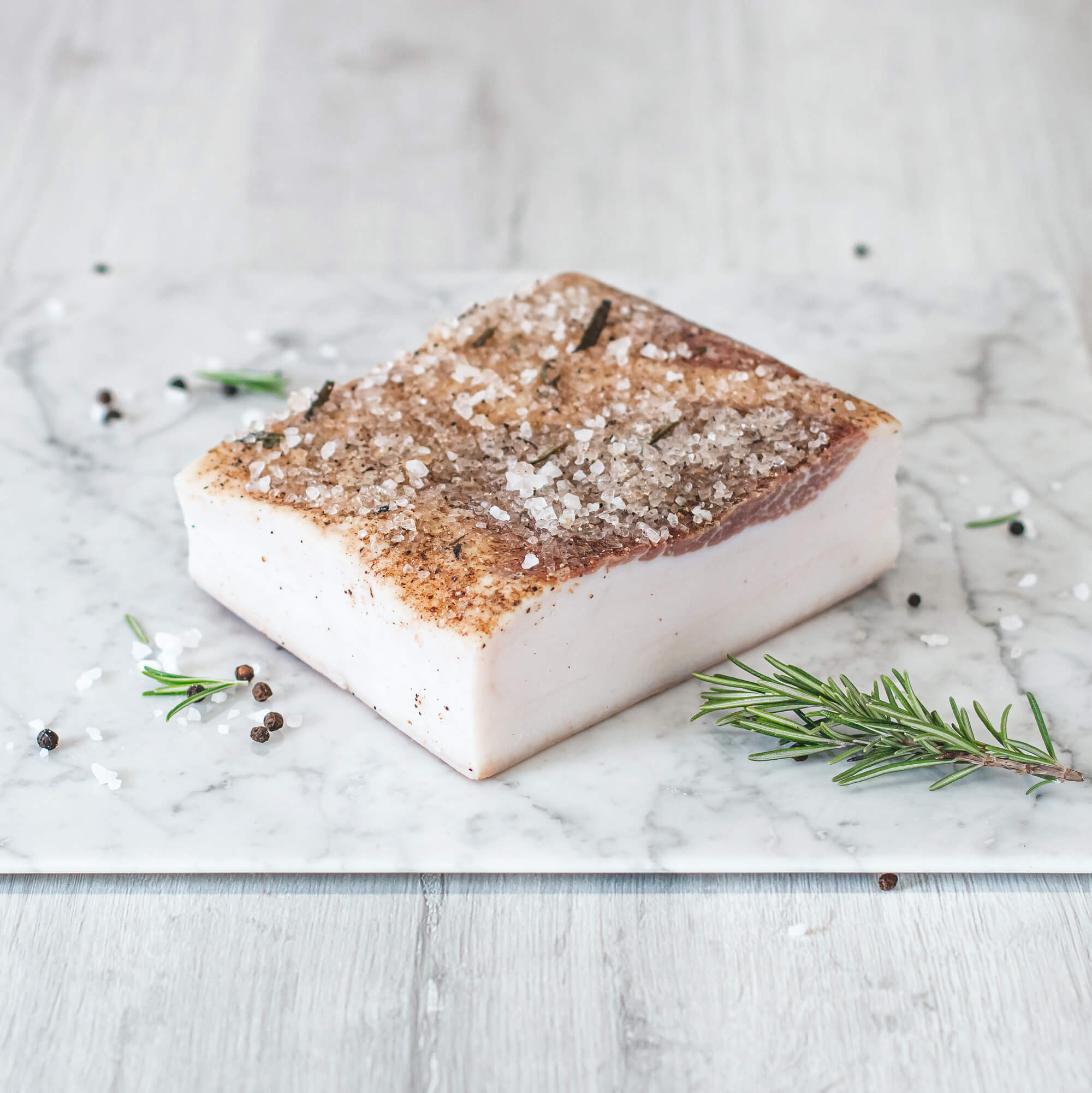
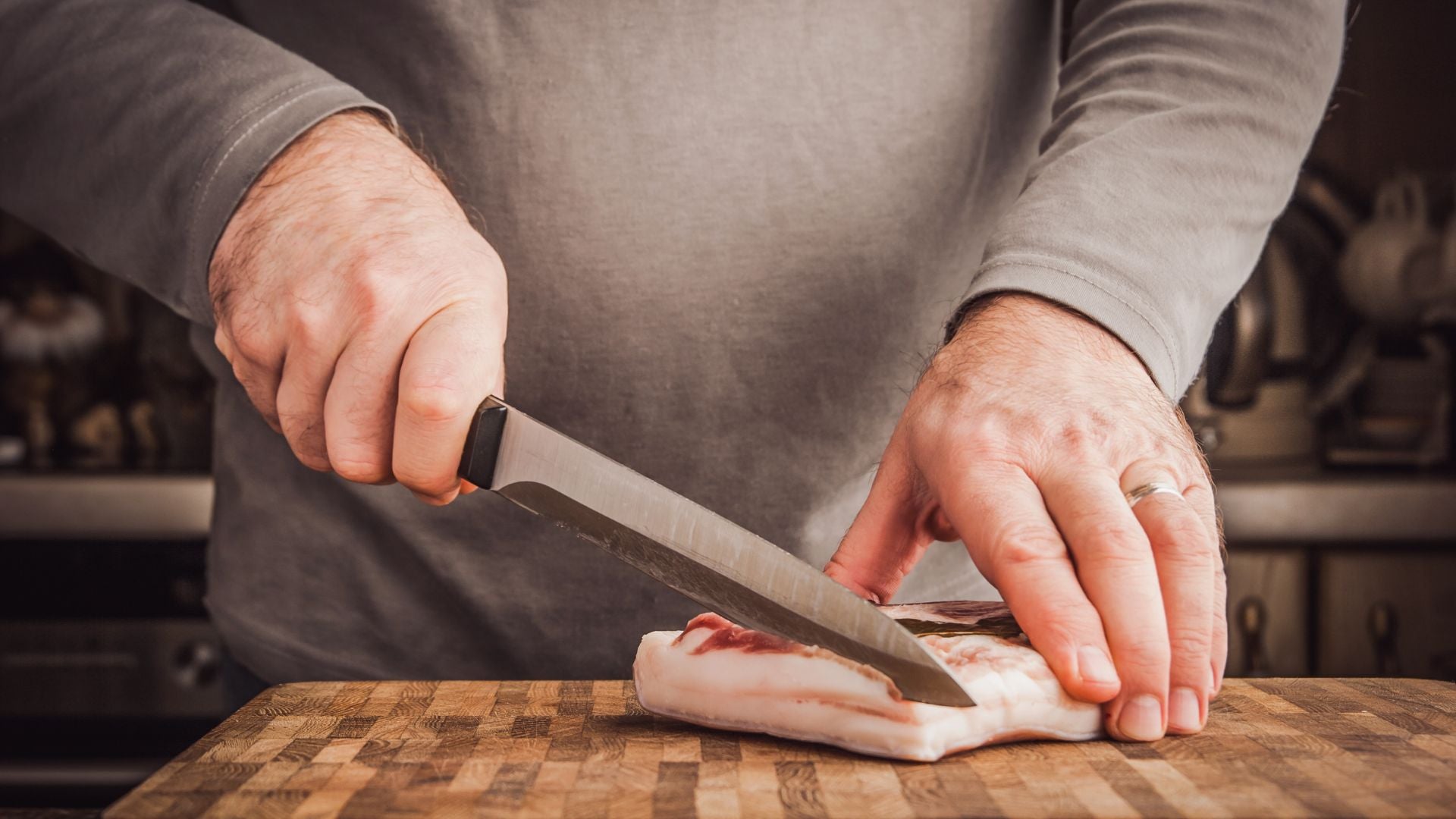
Lard is obtained from the back of the pig , one of the fattiest but also most compact parts. Once cut, it is covered in salt and herbs—often garlic, pepper, rosemary, and local spices—and left to cure. The length of curing varies according to tradition: it can last a few weeks or several months. This process transforms it from simple fat into a product with a complex and refined flavor .
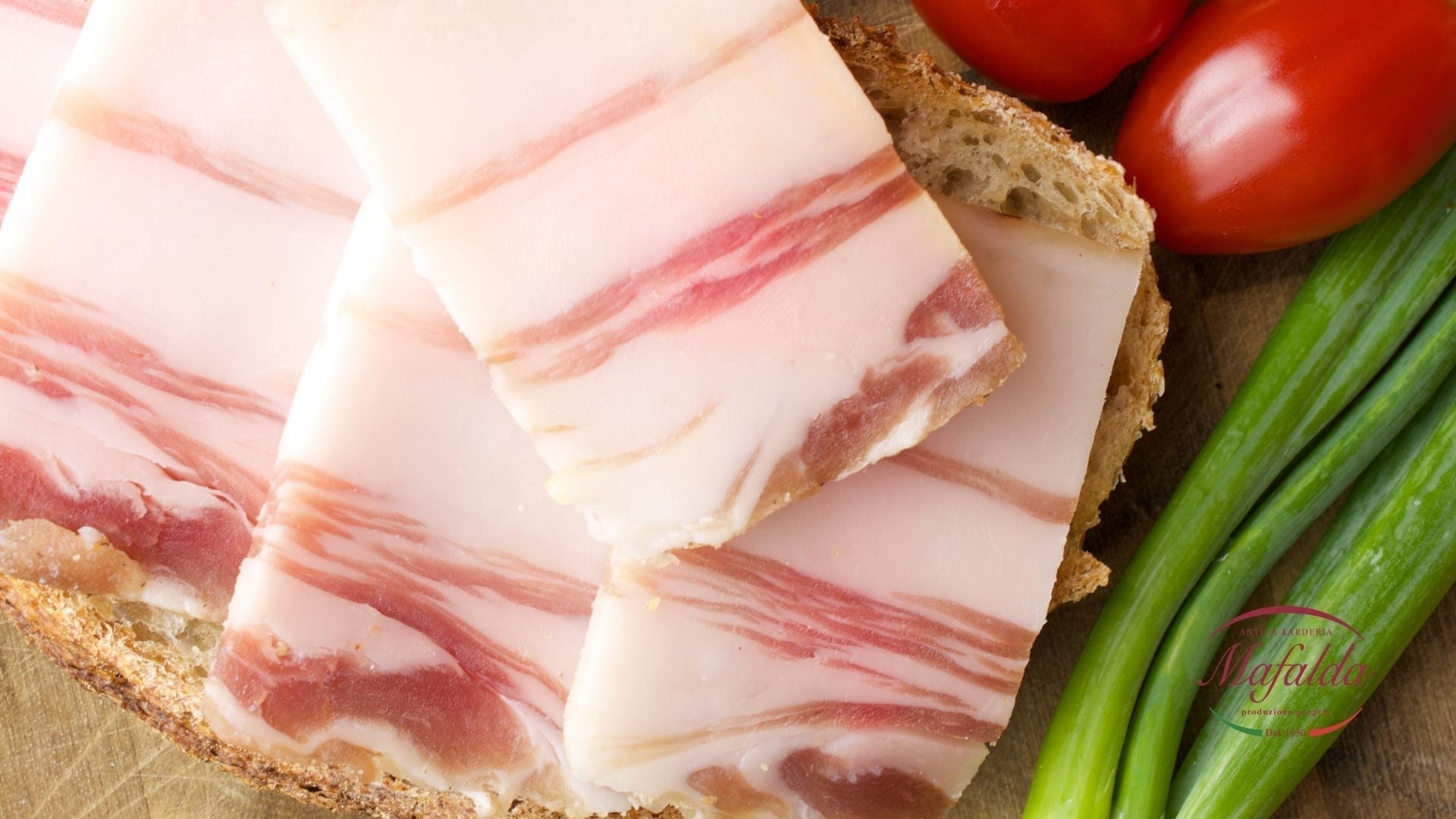
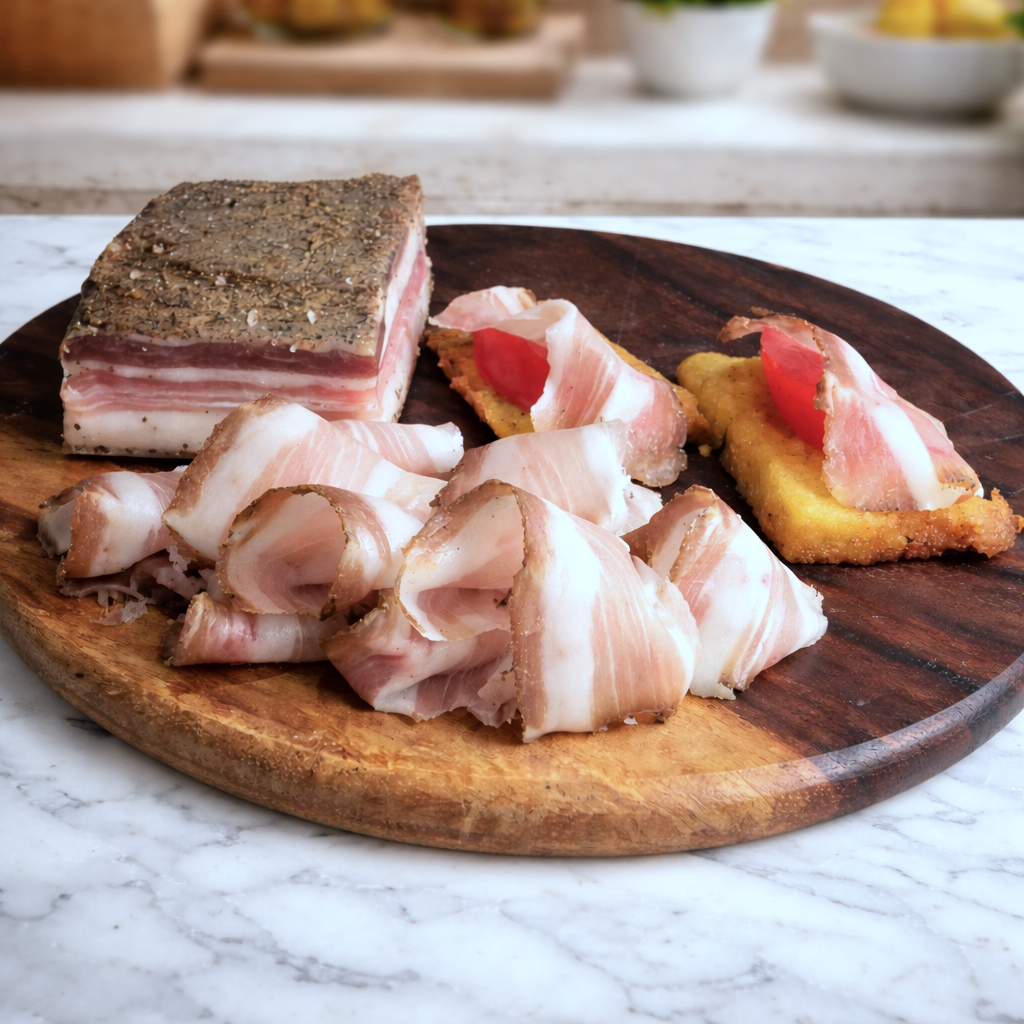
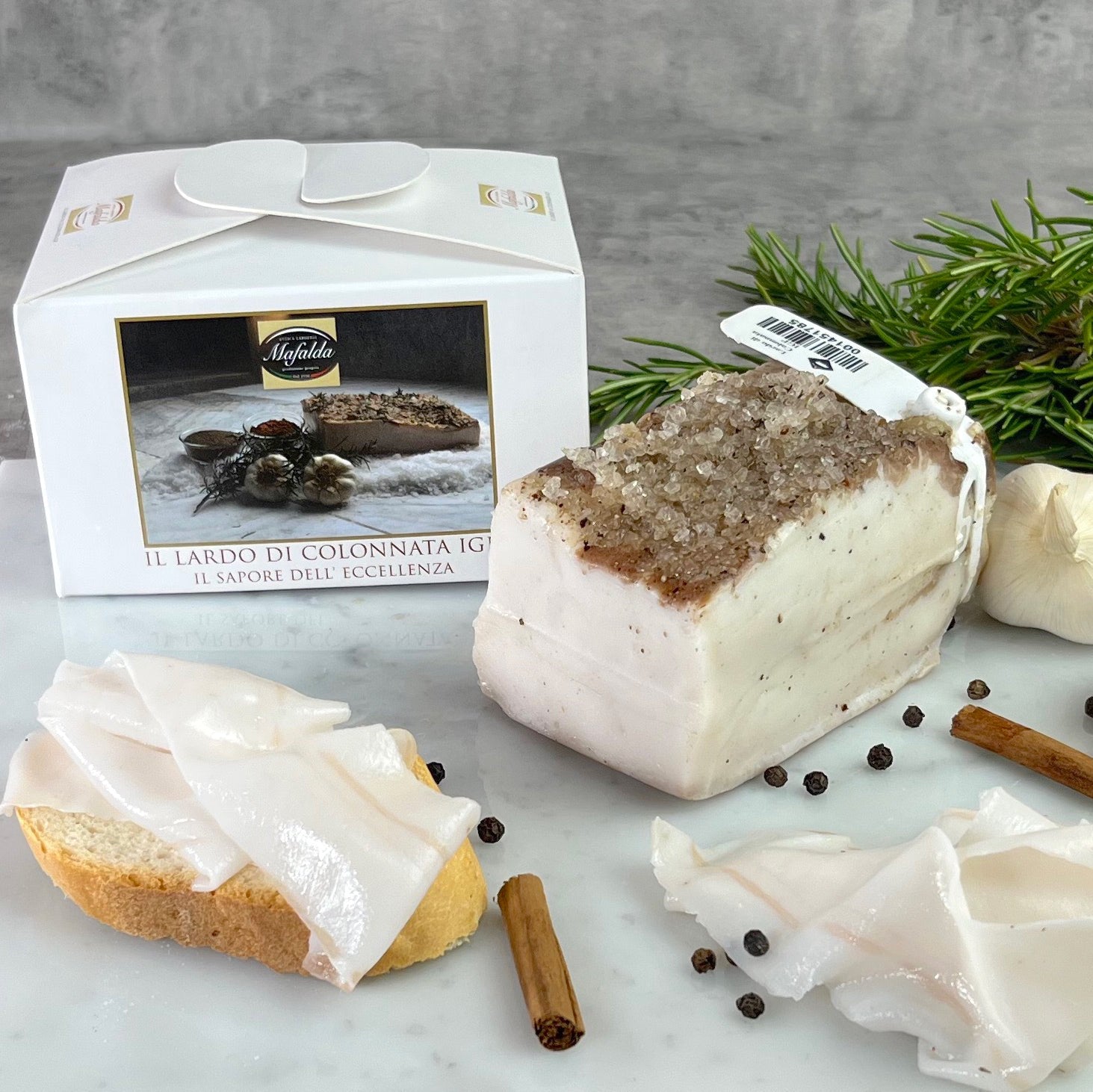
From a gastronomic standpoint, lard is surprisingly versatile . It can be eaten raw, on a slice of warm bread, or used to wrap meat and vegetables, making them tender and fragrant. It's also often used to enrich sauces and rustic dishes , lending them a unique aroma. If you want to find out how to best enjoy it , we recommend reading our in-depth article on pairings.
Nutritionally, lard is a high-calorie food , but if consumed in moderation and in its most natural form, it can be included in a balanced diet. In particular, some lards—such as Colonnata lard—contain a good percentage of monounsaturated fatty acids . Learn more about the benefits of Colonnata lard or read more about lard and cholesterol .
The great Italian excellences: Arnad, Norcia and Colonnata
Italy boasts some of the most renowned lard production in the world. In the Aosta Valley, we find Lardo d'Arnad , aged in wooden vats and flavored with mountain herbs. In Umbria, Lardo di Norcia is distinguished by the use of black pepper and rosemary. But it is in Tuscany, specifically in Colonnata, that lard finds its finest expression.
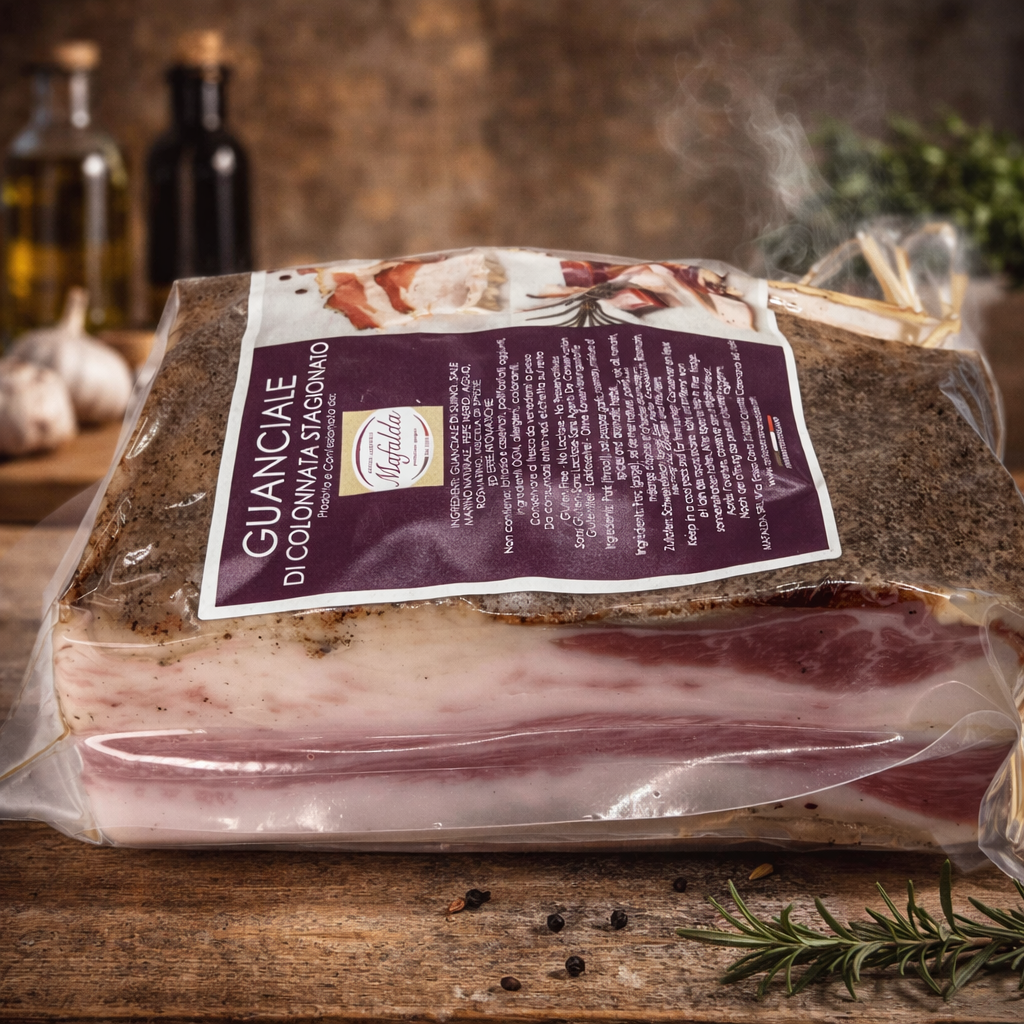
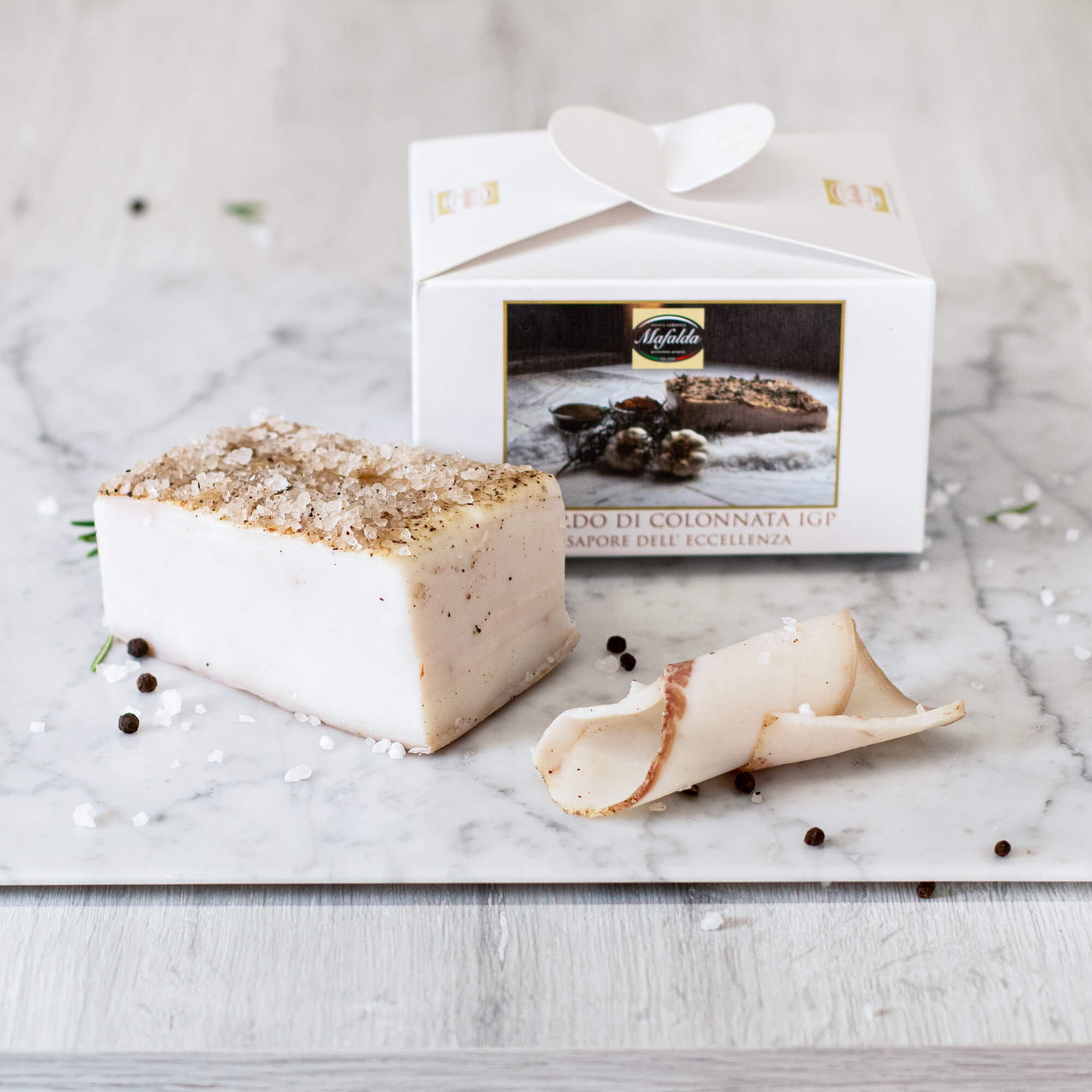
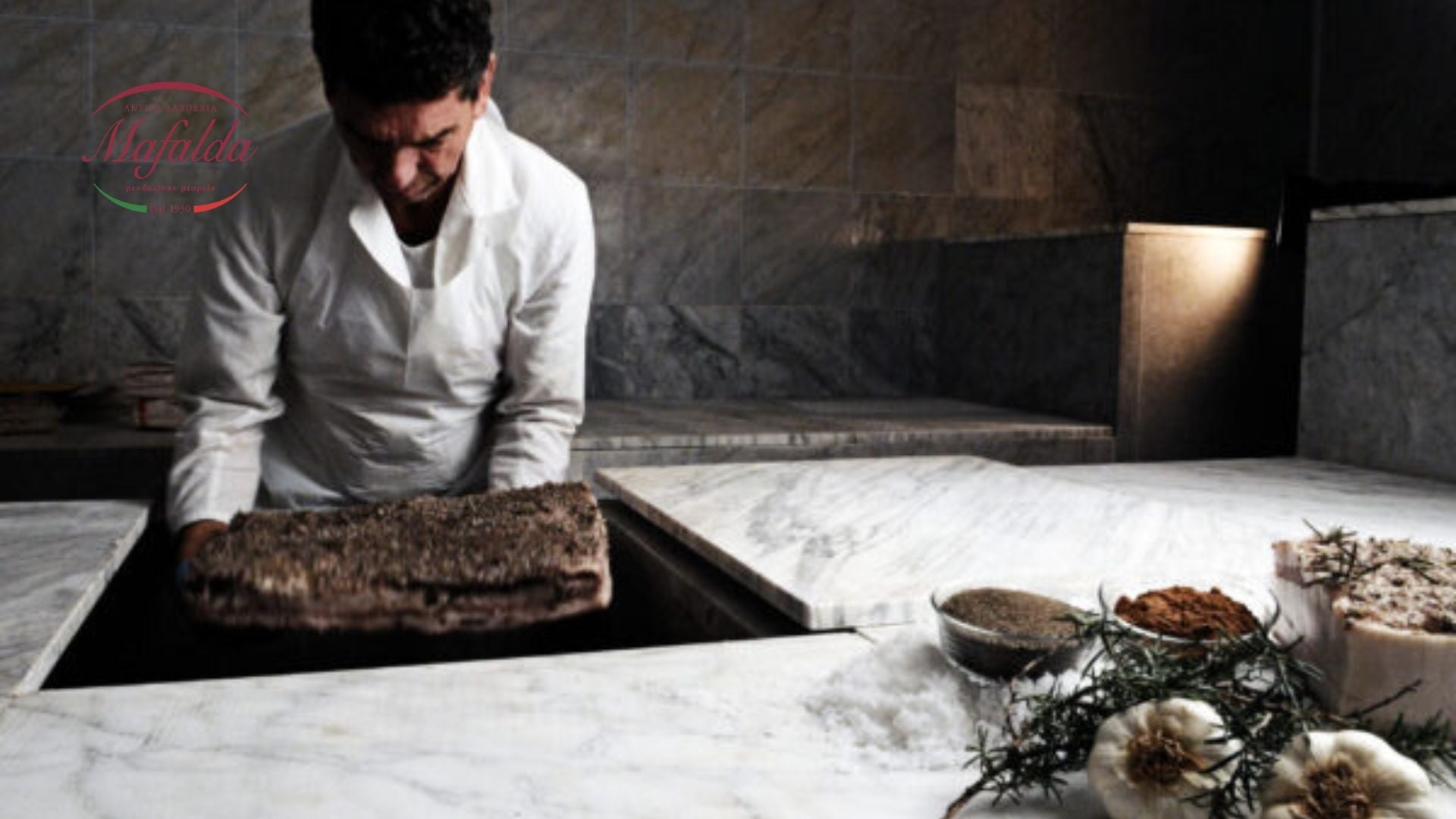
Colonnata Lardo is the only lard in the world to be aged in hand-hewn marble basins . This ancient technique takes advantage of the humid and breezy microclimate of the Apuan Alps, which allows the fat to mature slowly, absorbing all the natural flavors. The process is entirely manual and still follows the PGI regulations , recognized in 2004, which protect the product's provenance and quality.
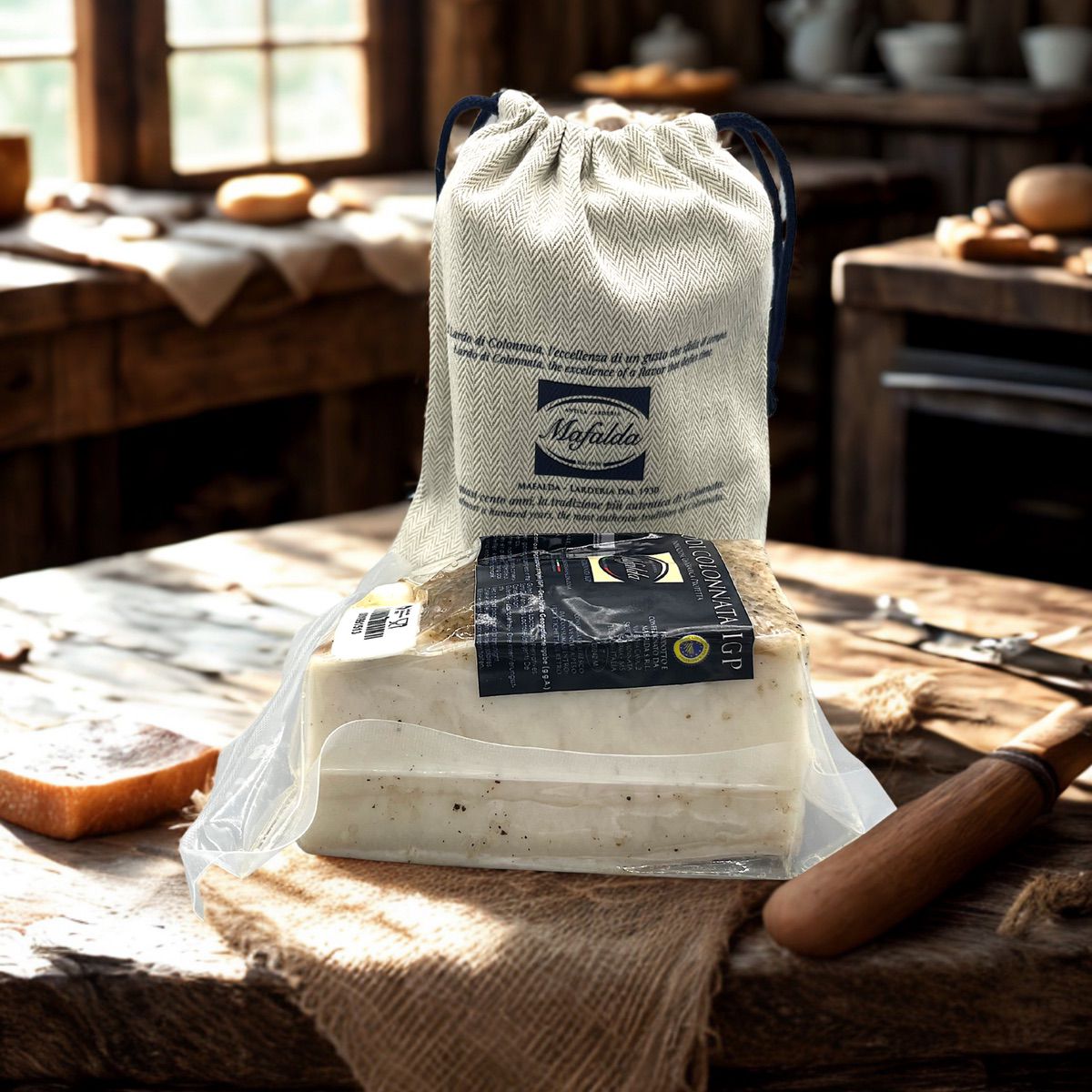
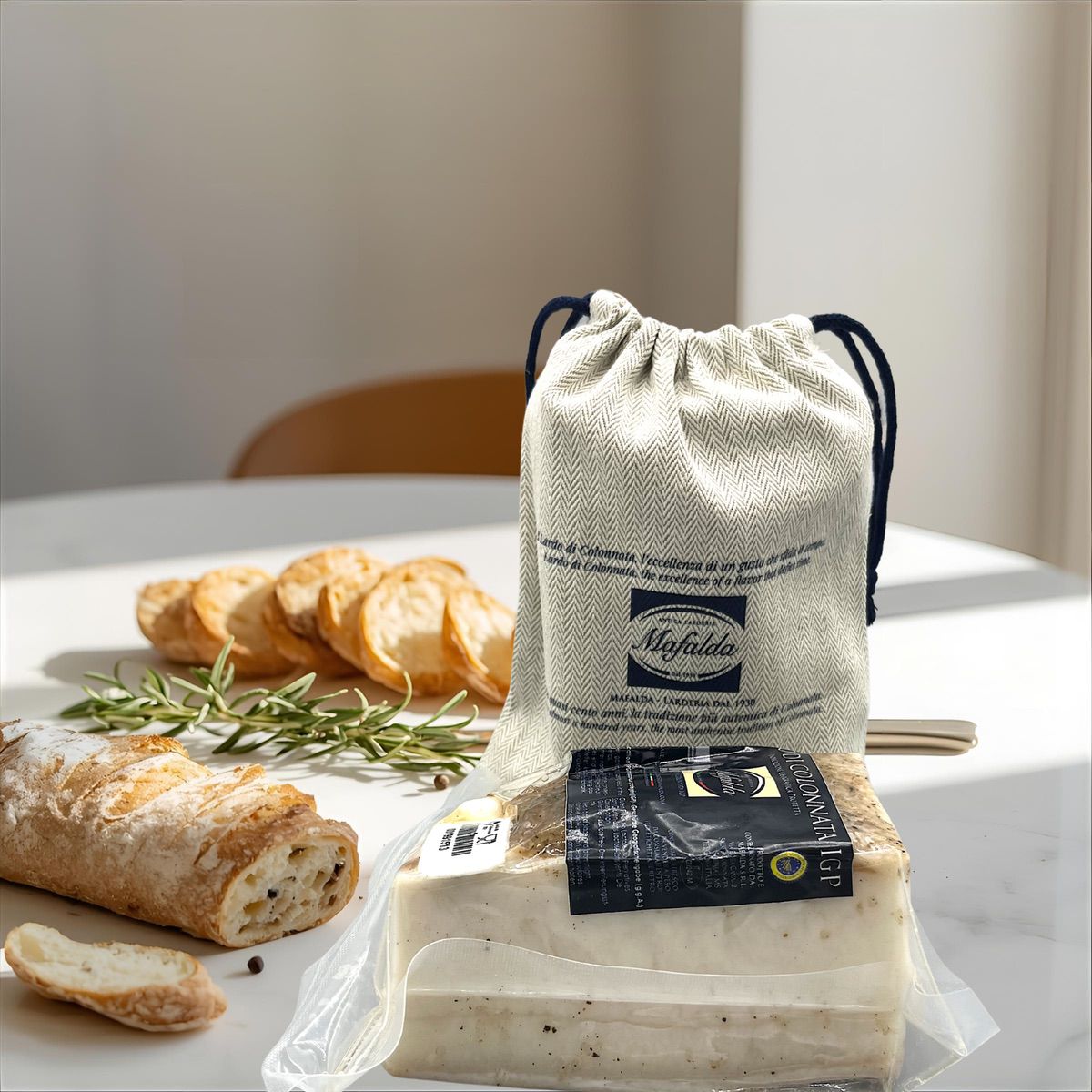
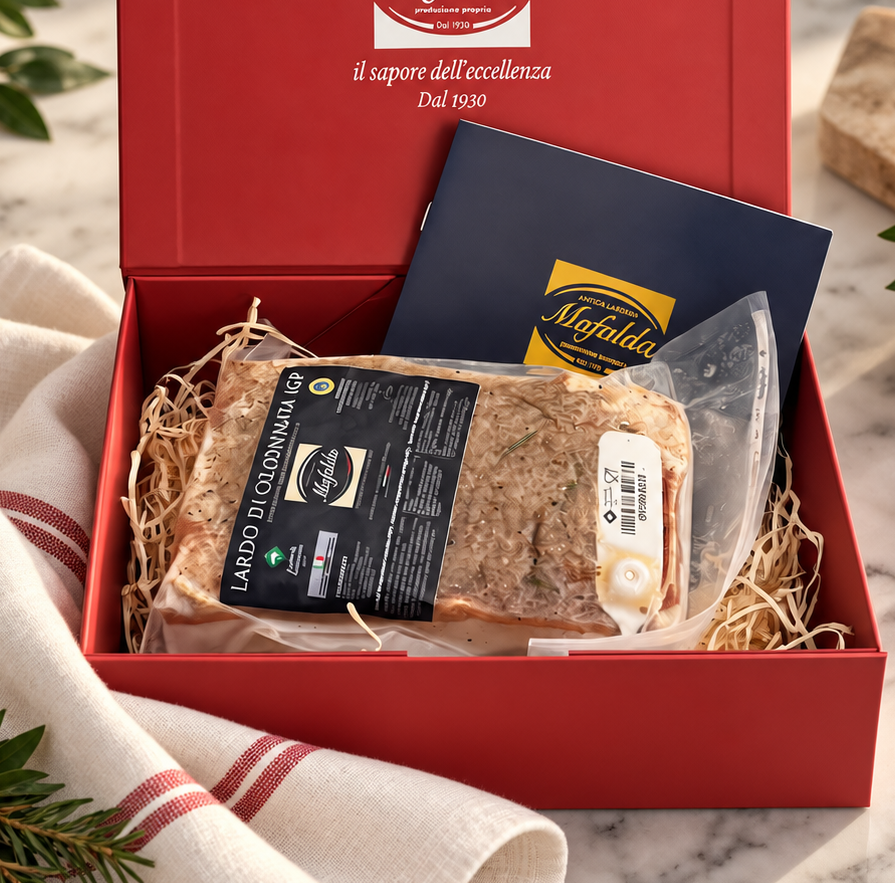
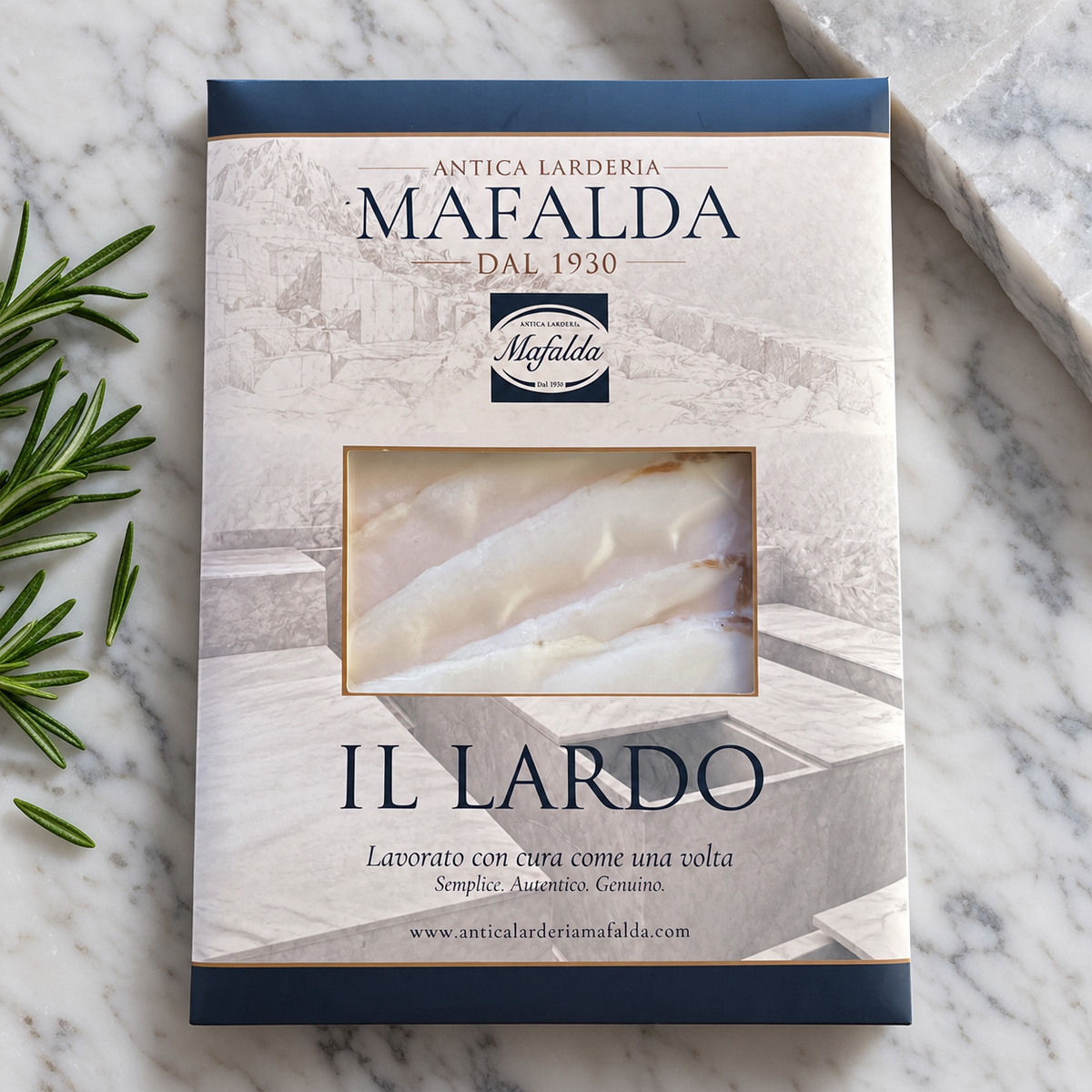
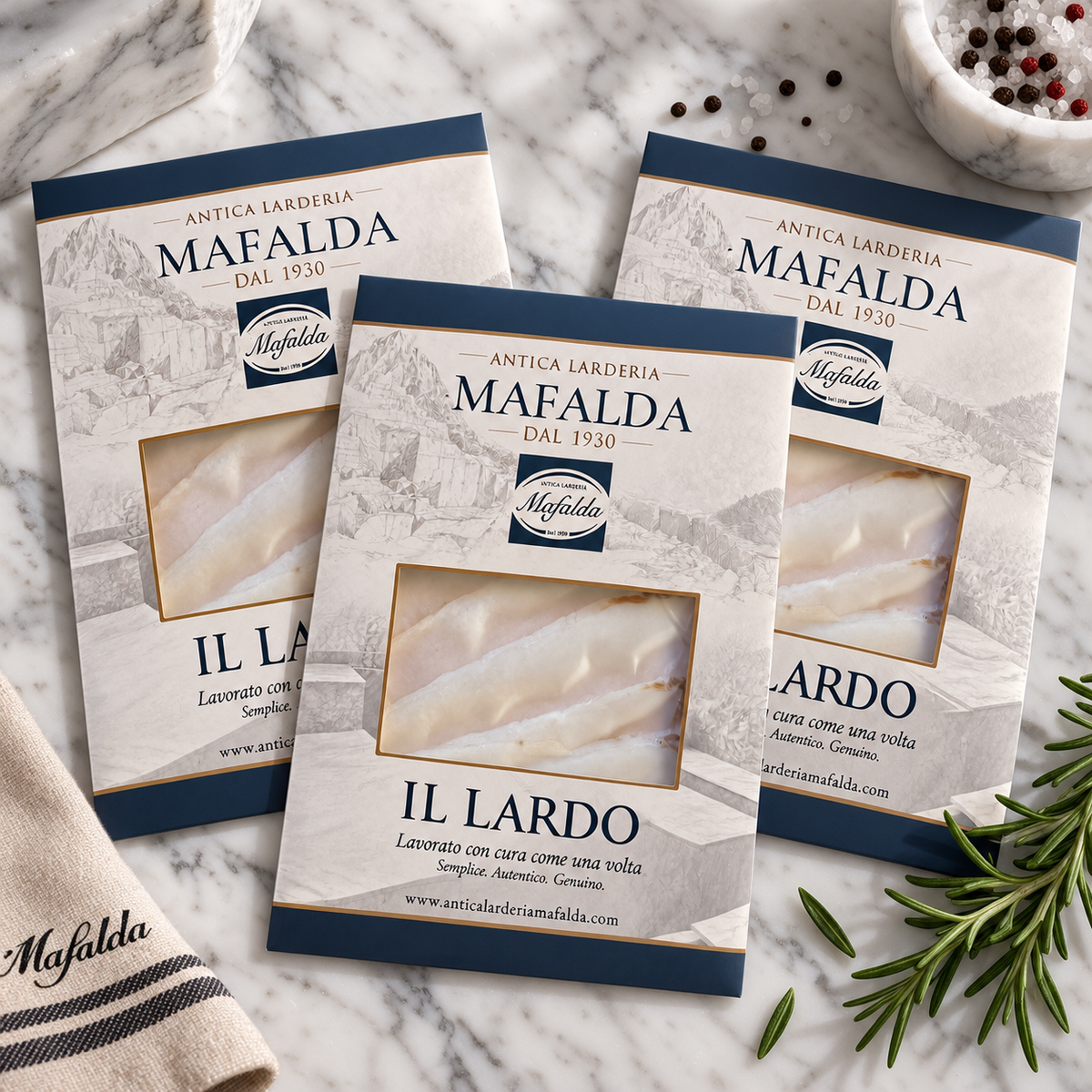
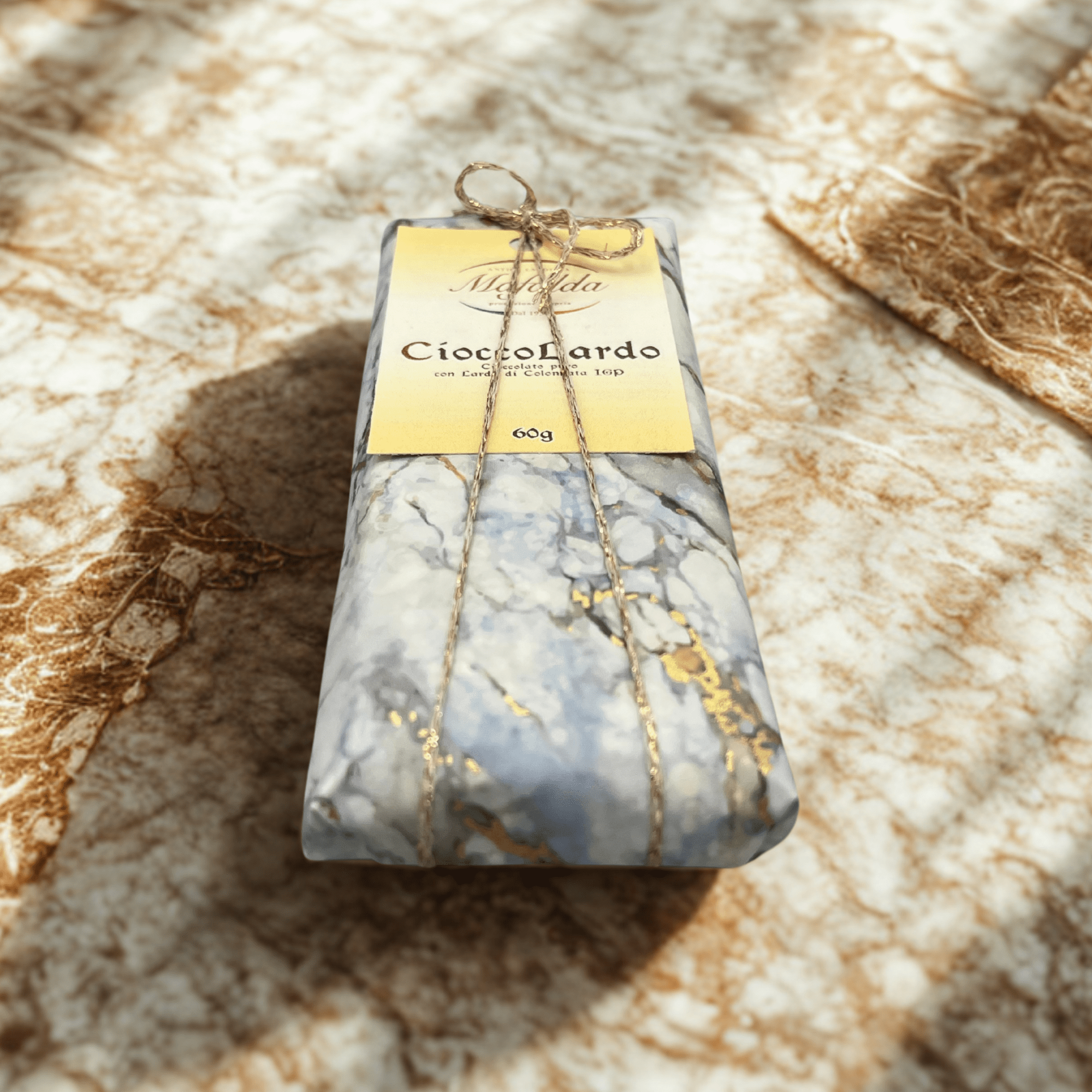
Among the most respected producers, Antica Larderia Mafalda continues to be a point of reference for those seeking authenticity and respect for tradition. Its products, such as the 700-gram Lardo di Colonnata , embody the perfect balance of history, flavor, and craftsmanship.
From history to today's table
Today, lard is no longer a humble food but a sought-after specialty, celebrated by top chefs and featured in gourmet dishes of the highest caliber . Its evolution has preserved its rustic soul, while making it the protagonist of a modern cuisine, attentive to quality and tradition.
The history of lard is thus a journey through centuries of food culture , artisanal know-how, and respect for local resources. Among all the Italian varieties, that of Colonnata continues to stand out for its excellence and authenticity. And it is no coincidence that today, in Italy and abroad, Lardo di Colonnata is synonymous with value , quality, and a love of good food.



Leave a comment
This site is protected by hCaptcha and the hCaptcha Privacy Policy and Terms of Service apply.