What's the difference between pancetta and guanciale? Let's find out together.
At the heart of Italian cuisine are two cured meats that are the stars of countless recipes: pancetta and guanciale . Often used interchangeably, these two cuts of pork are actually very different in origin, texture, curing, and flavor. In this article, we'll clearly and comprehensively explain the difference between pancetta and guanciale , with a special focus on the artisanal, cured versions produced in Colonnata .
Cut and anatomical origin: where do they come from?
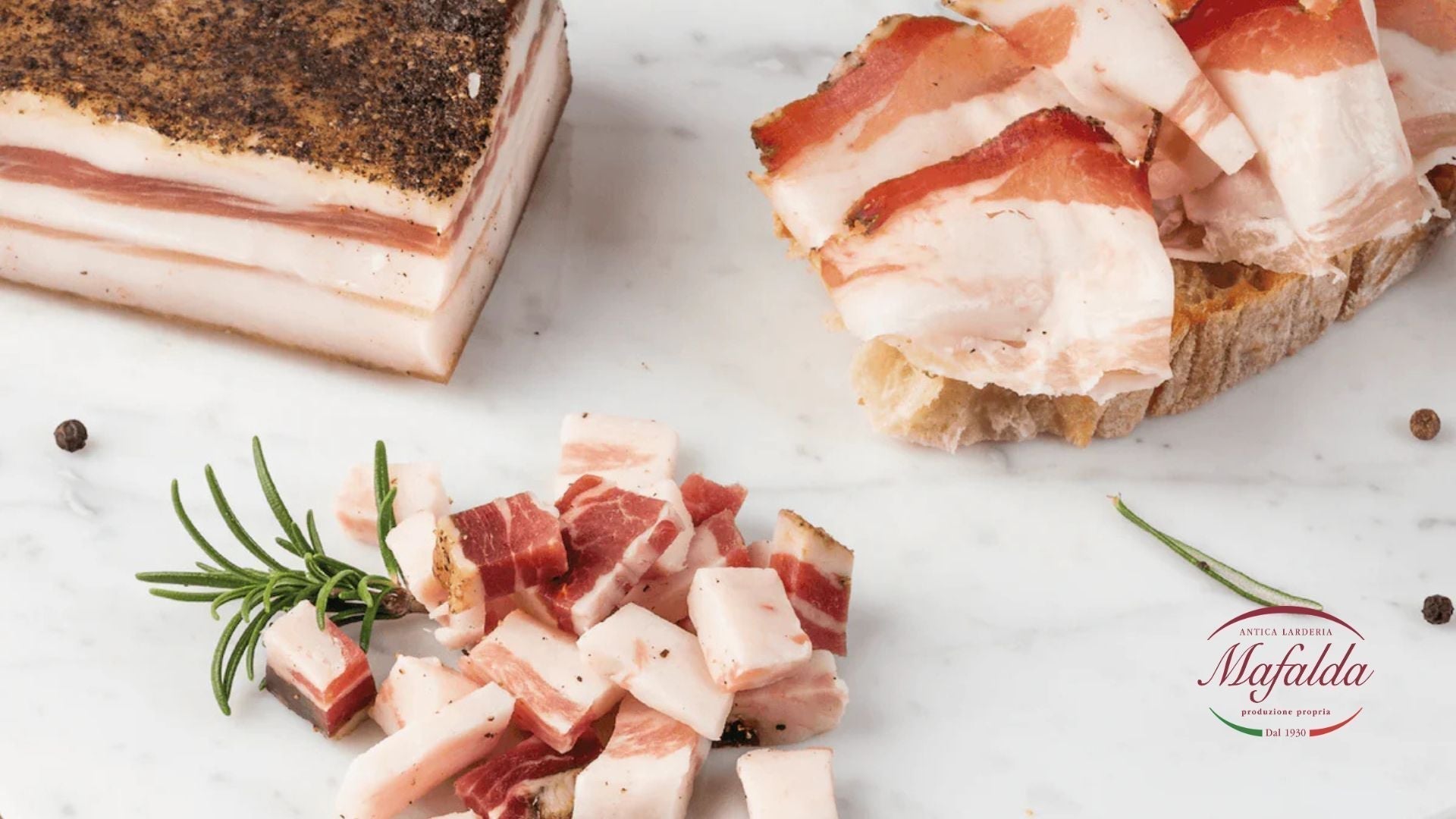
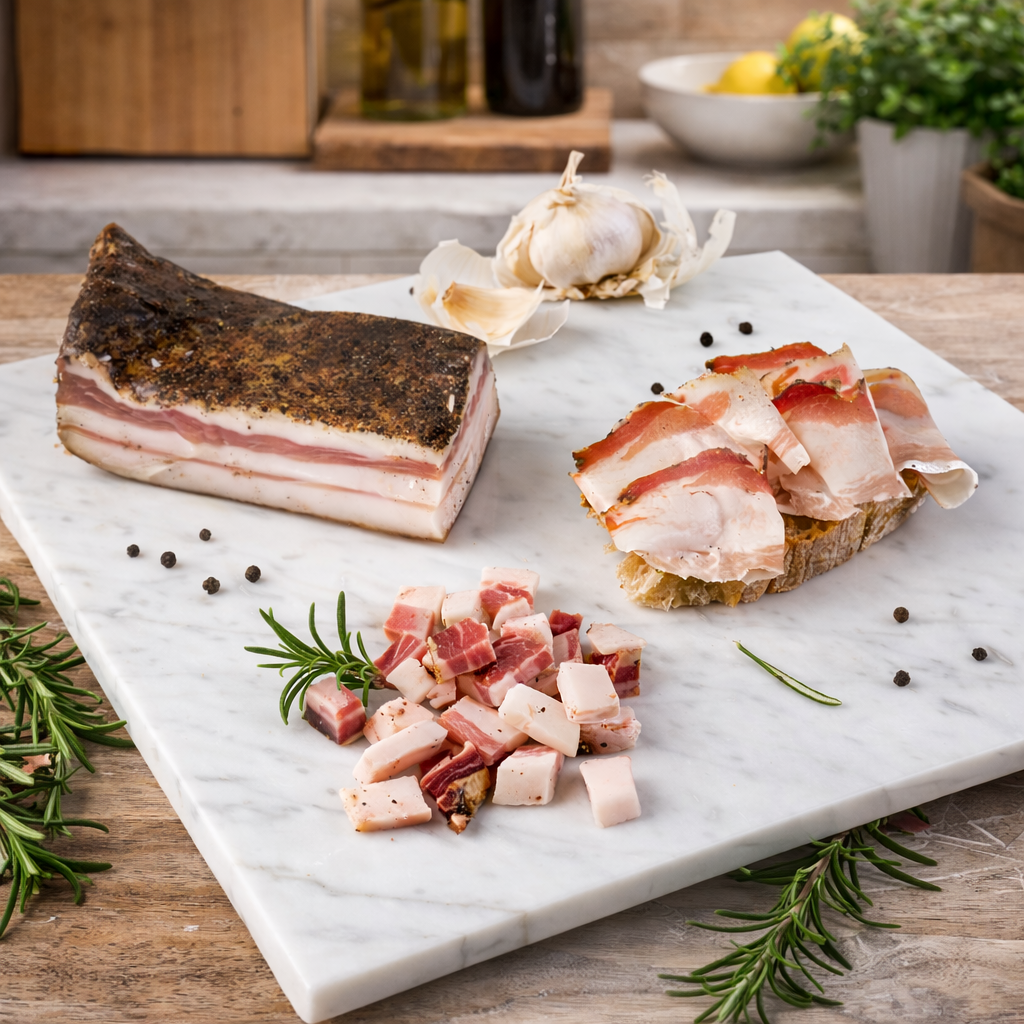
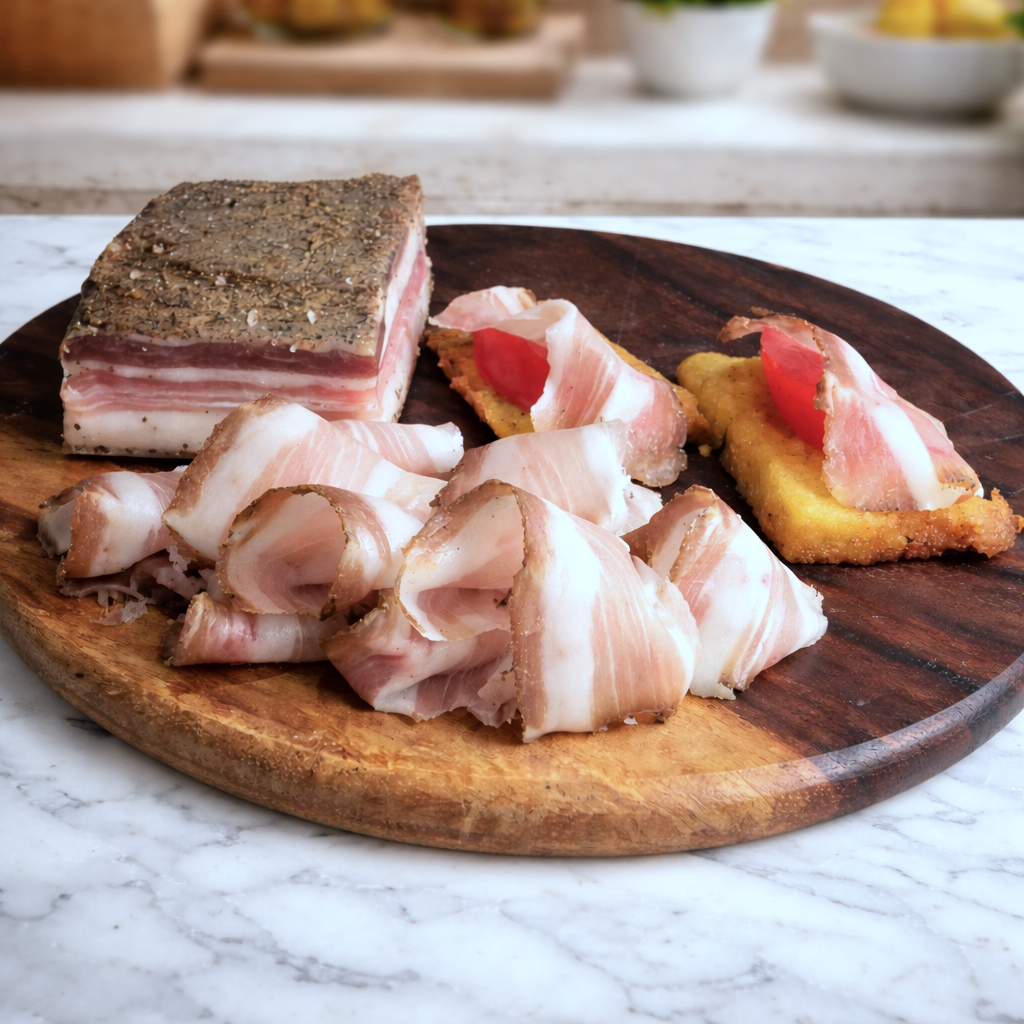
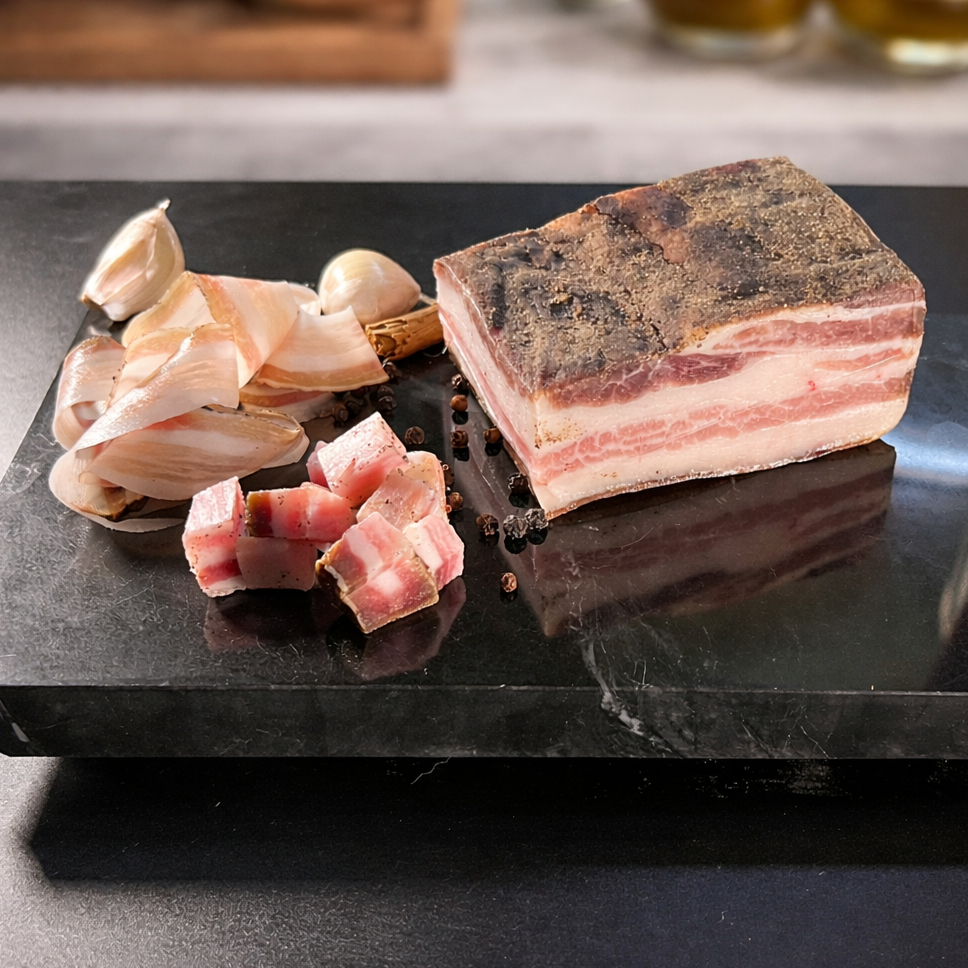
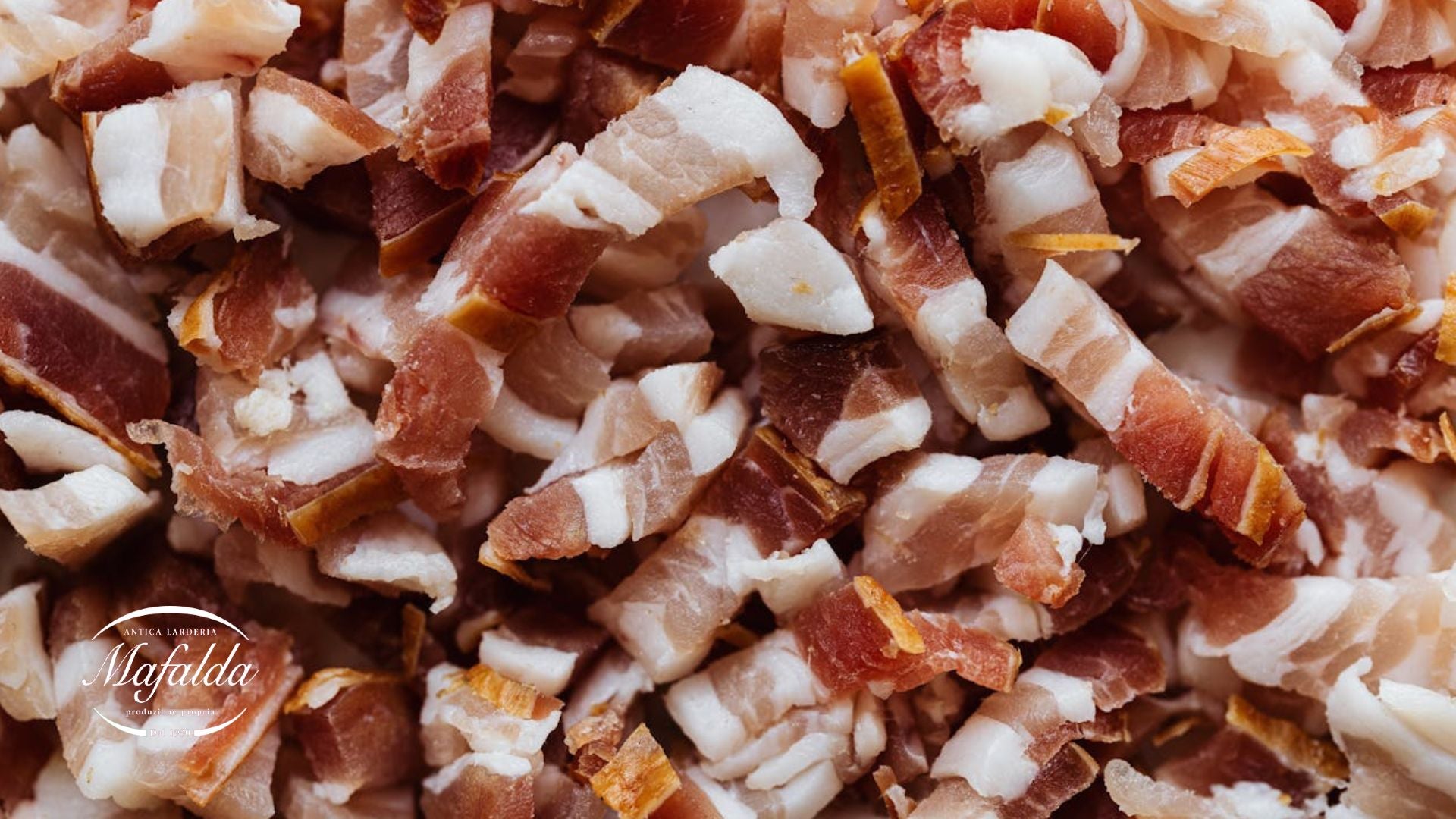
The primary difference between pancetta and guanciale lies in the part of the pig they're made from. Pancetta comes from the belly of the animal, the lower, largest part of the pig. It has a soft texture, richly veined with fat and muscle, giving it a variegated appearance and balanced flavor. To learn more about all the types of pancetta, it's also helpful to understand the regional processing methods.
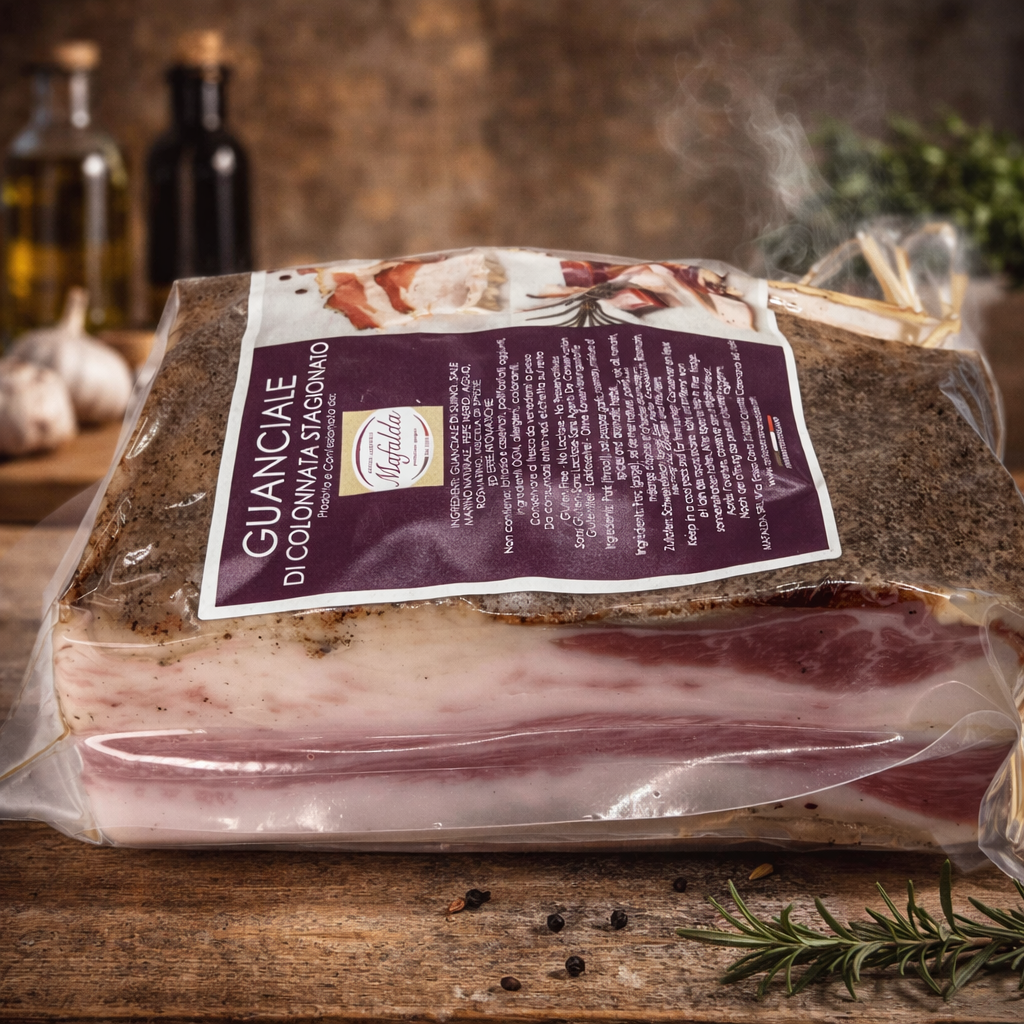
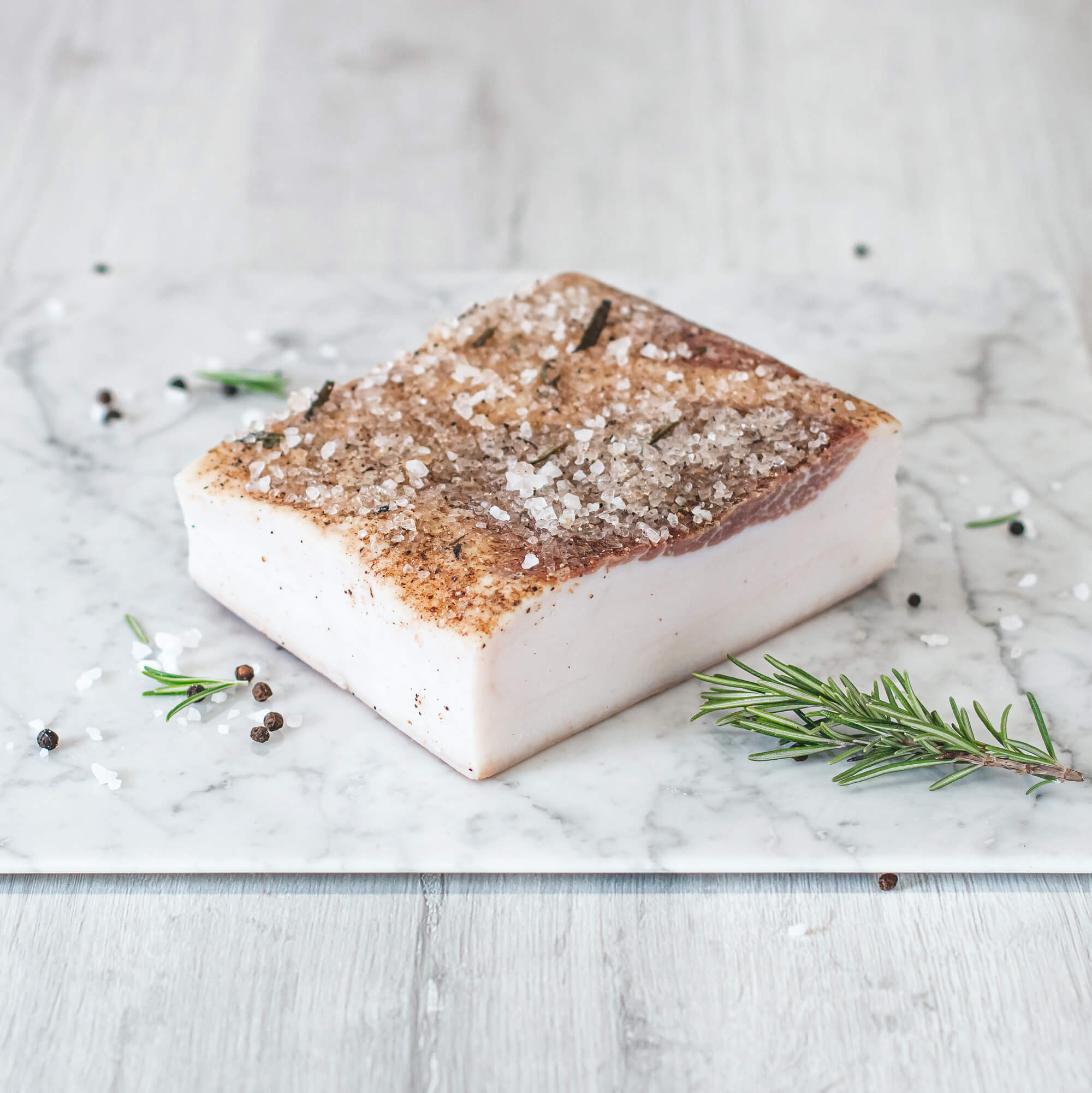
Sliced guanciale , on the other hand, comes from the pig's cheek and throat . It's a more compact cut, rich in fat, with a much more intense and distinctive flavor. Unlike pancetta, it has less muscle and a higher fat content, making it extremely tender once cured.
Seasoning and processing: two different methods
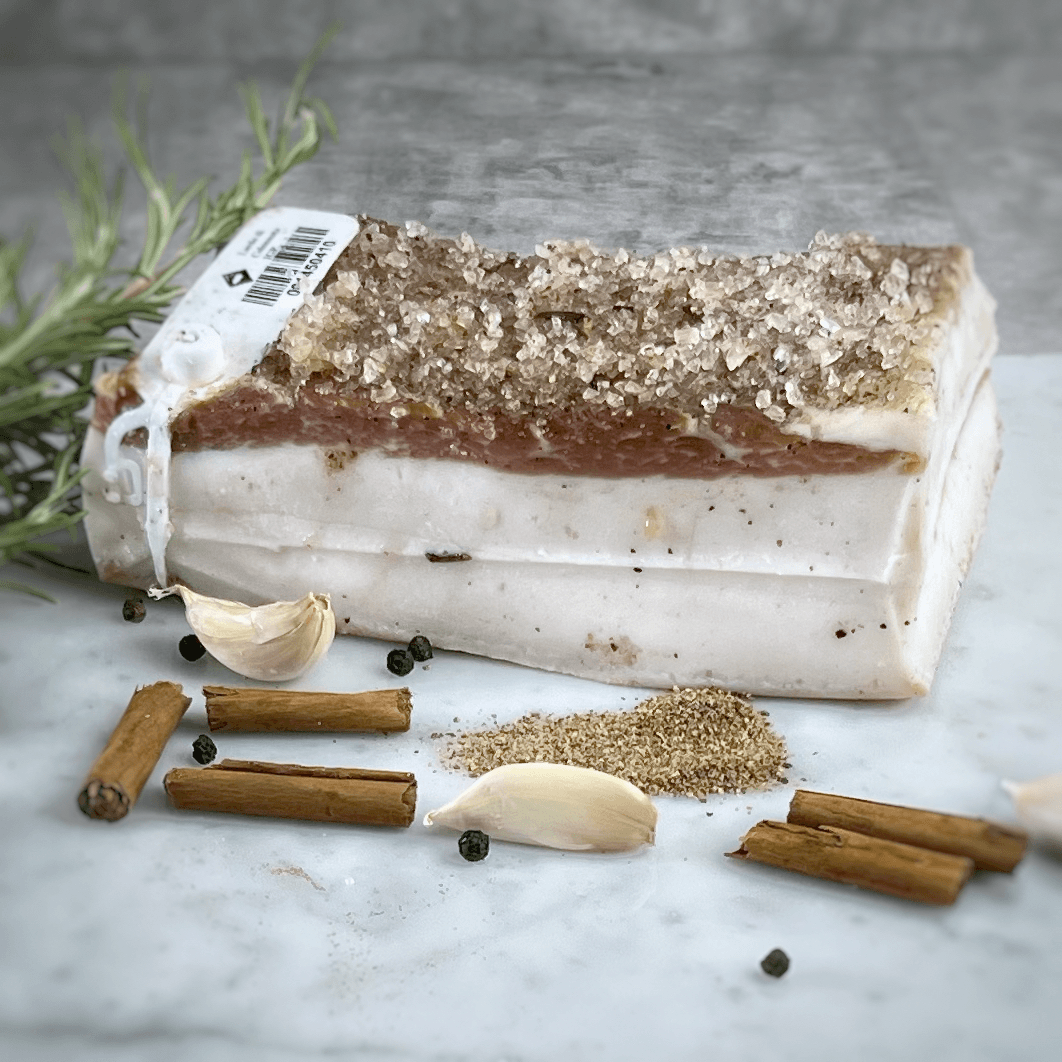
Another key difference between pancetta and guanciale is the type of curing. The pancetta is salted, seasoned (with pepper, garlic, and rosemary) , and left to cure for at least a month , but it can often also be eaten fresh, as is the case with stretched or rolled pancetta. The most prized versions, such as the Pancetta Stagionata di Colonnata , are left to mature for several months in controlled environments, where they acquire a deep aroma and natural sweetness. One of the most fascinating techniques is the use of a marble basin for curing, which preserves its aroma and texture.
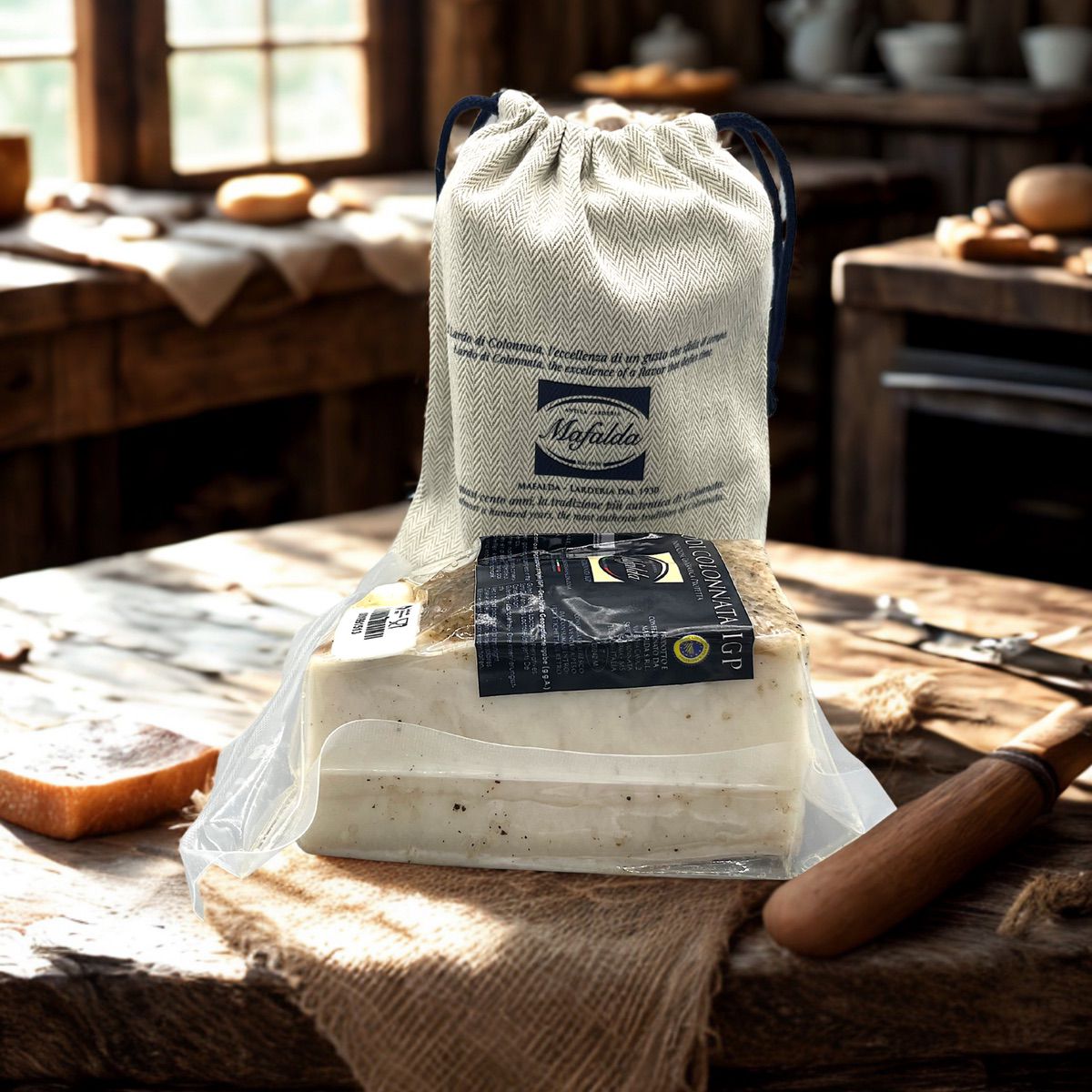
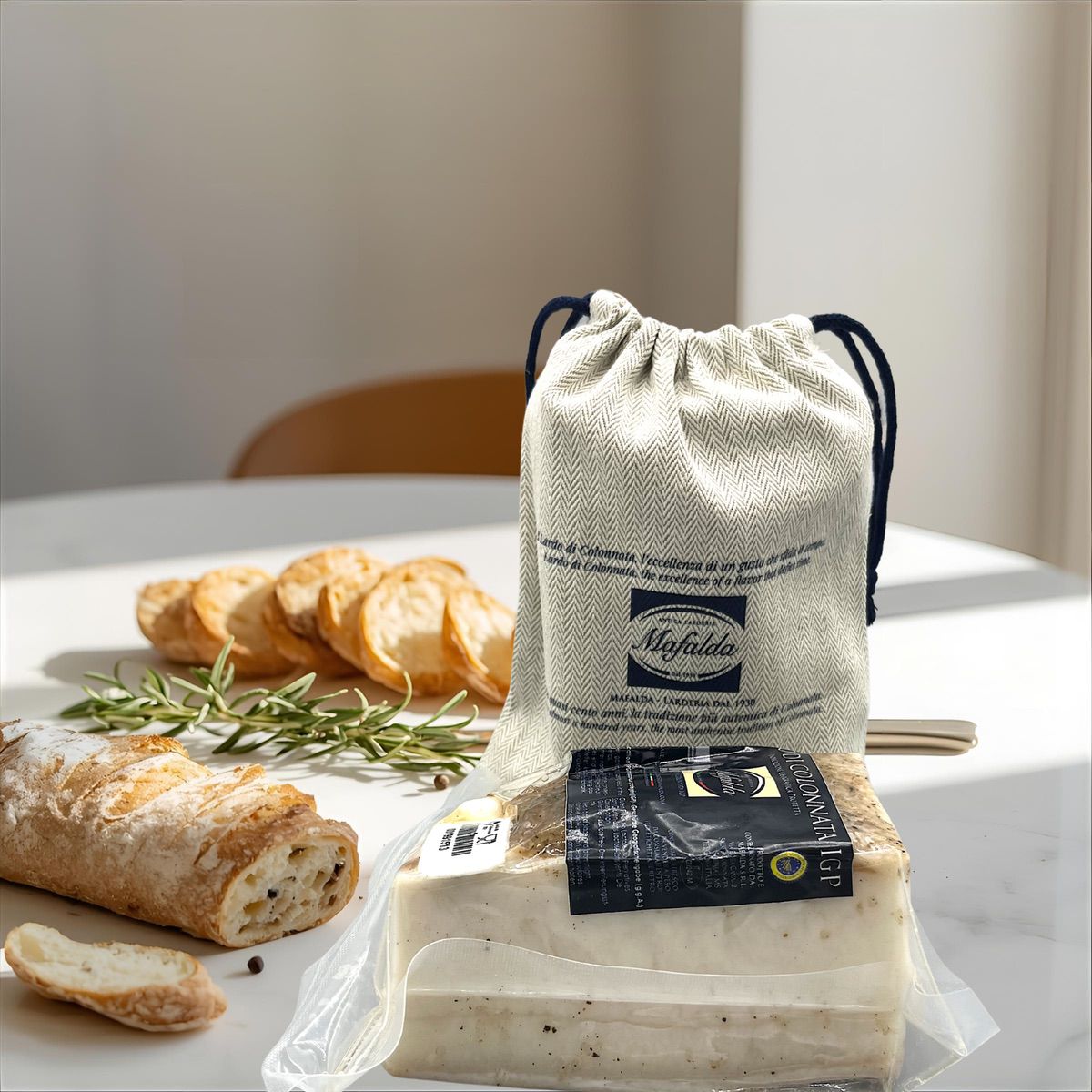
Guanciale follows a similar process, but is cured longer and requires more intense work. The cut is rubbed with salt, pepper, garlic, and aromatic herbs, then slowly cured, even for up to three months. The aged Guanciale di Colonnata , for example, follows local artisanal tradition , with a maturation process that maximizes its aroma and tenderness.
Flavor and texture: which to choose?
Pancetta has a more delicate and less overpowering flavor . It's suitable for light dishes, served raw or paired with vegetables, bread, and cheeses. Aged versions become more aromatic , yet still retain a sweet note that makes it highly versatile. Furthermore, those who want to discover the benefits of pancetta can learn more about the nutritional benefits of eating it in moderation.
Guanciale has a much more distinctive flavor . Once cooked, it releases its fat slowly and evenly, giving dishes an unmistakable flavor. It's the true star of dishes like Carbonara, Amatriciana, or Gricia , where its natural unctuousness adds creaminess and character.
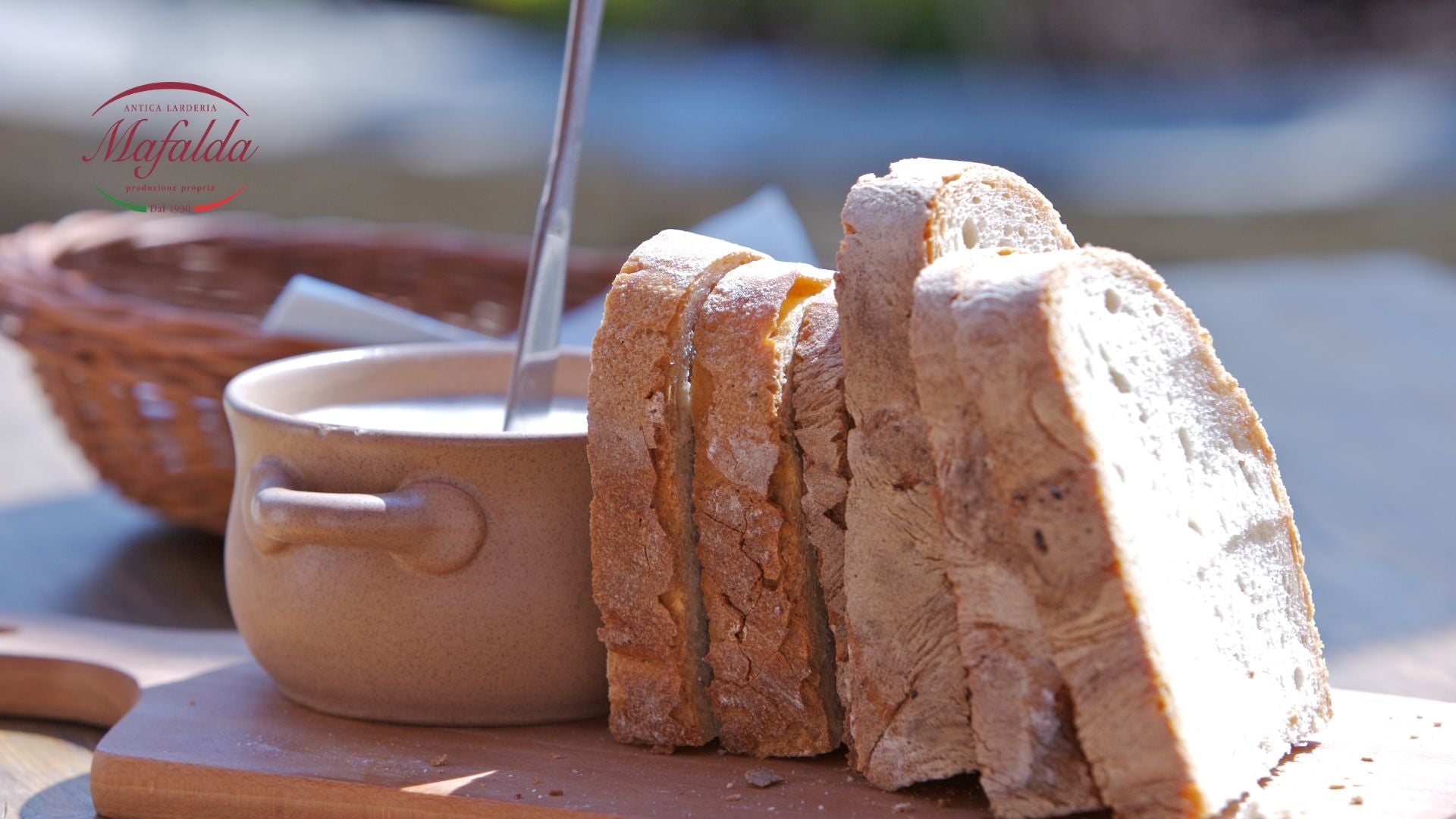
If you want a cured meat to enjoy sliced, on a slice of bread, perhaps with a drizzle of honey or jam, cured pancetta is the ideal choice. If, on the other hand, you're looking for an ingredient that adds body to a sauce or cooking liquid, guanciale is irreplaceable. In particular, choosing between pancetta and guanciale in Carbonara is crucial to respecting the original recipe.
Use in the kitchen: mistakes to avoid
One of the most common mistakes in traditional recipes is substituting pancetta for guanciale, or vice versa. While both are tasty, they are not equivalent . Guanciale, for example, yields more when cooked, precisely because it contains more fat. Replacing it with pancetta can alter the final result, making the dish less rich and creamy. It's therefore important to consider the fat content of pancetta and guanciale and its implications in cooking.
In a dish like Carbonara, perfect guanciale releases some of its fat, which mixes with the egg yolk and pecorino to form a creamy sauce. Pancetta, on the other hand, tends to be crispier and drier. Similarly, in rustic baked dishes or peasant soups, both can have their place, but with different purposes .
Colonnata bacon and cheek: superior quality
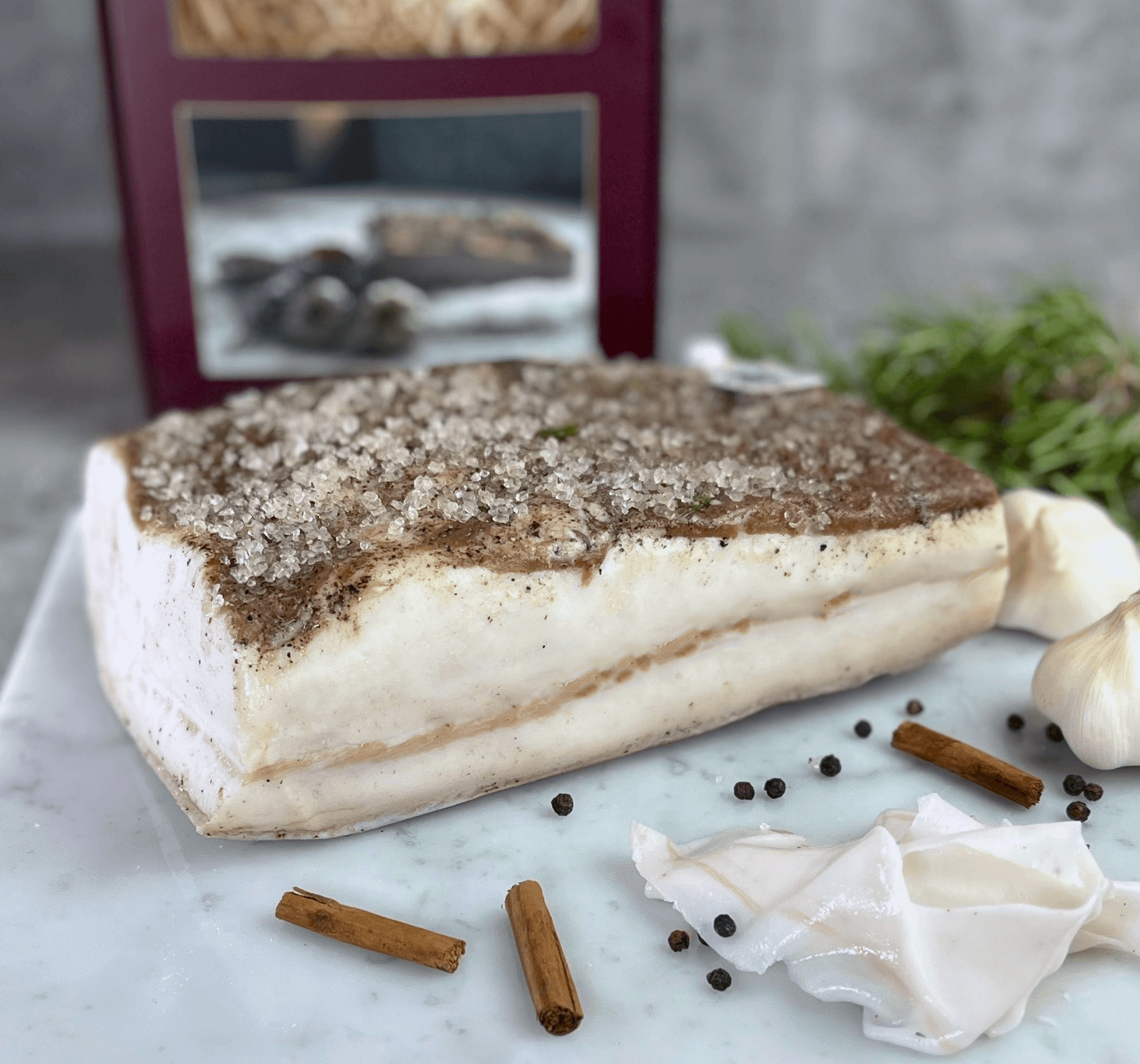
If you want to bring to the table a cured meat that embodies all the artisanal expertise of Tuscany, try the aged versions from Colonnata . The aged Pancetta from Colonnata is fragrant, firm, and enveloping on the palate, thanks to a slow and natural process. Perfect enjoyed raw, or added to traditional recipes with a gourmet twist. Want to know how to eat aged pancetta ? Find out in our in-depth article.
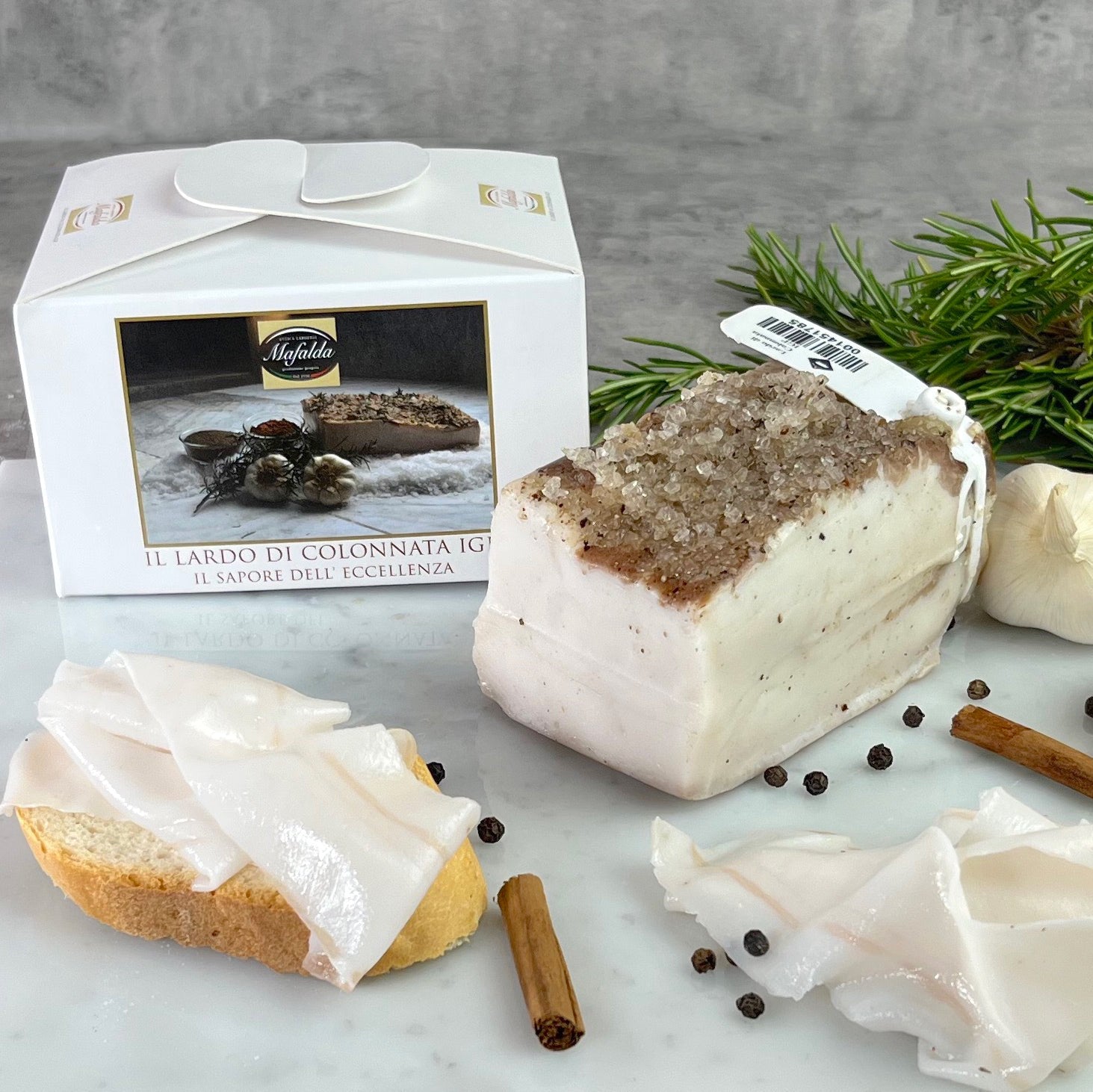
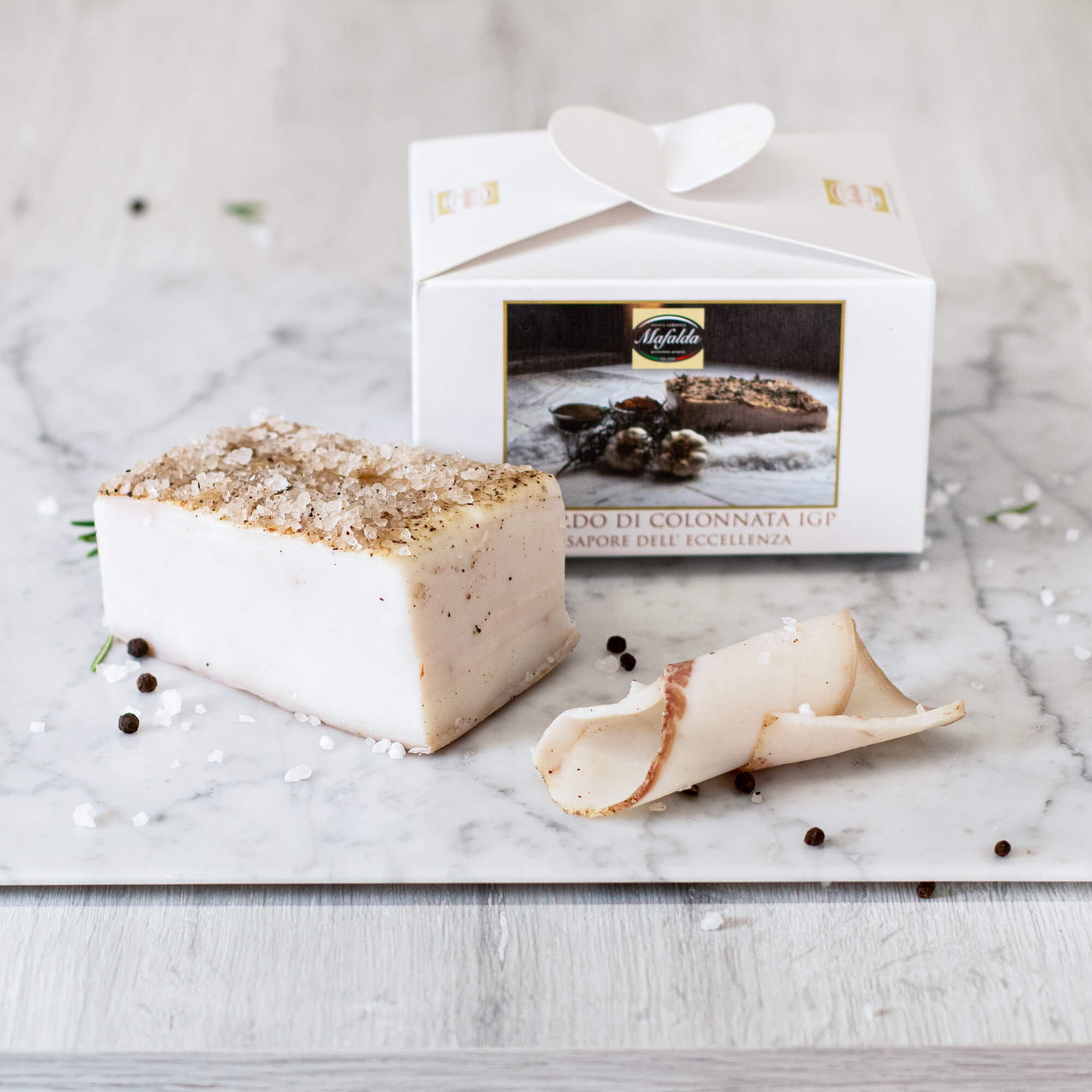
Aged Guanciale , on the other hand, is the result of a long aging process that enhances its creaminess and aroma. Once cut and pan-fried, it releases a noble fat, perfect for creaming and flavoring the most iconic first courses of Roman and Lazio cuisine.
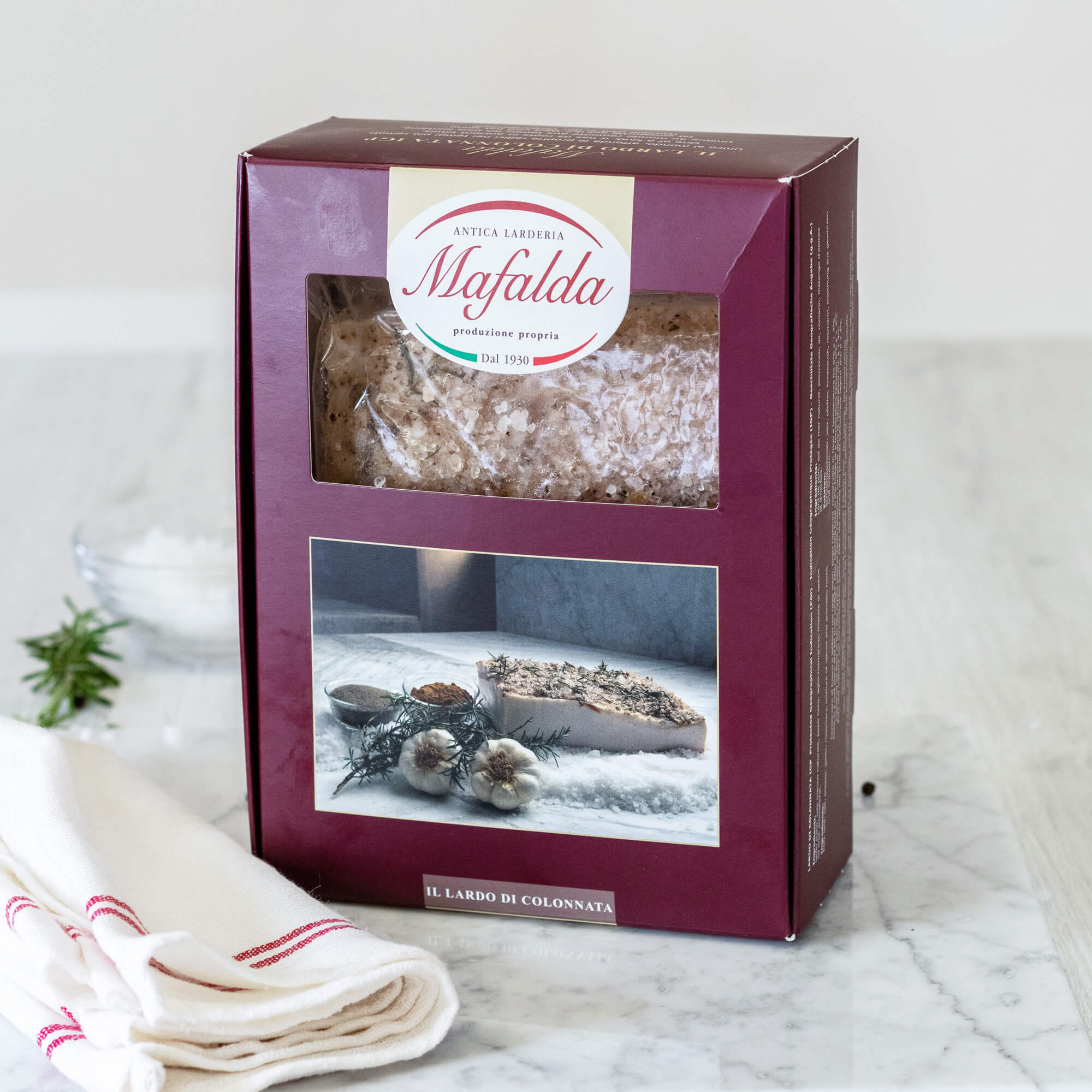
Both are part of the selection of Antica Larderia Mafalda , which for generations has been processing cured meats according to traditional methods and with carefully selected raw materials .
Conclusion
Understanding the difference between pancetta and guanciale also means making more informed choices in the kitchen. They're not just different cuts, but distinct gastronomic worlds, expressing specific flavors, cultures, and recipes. Both are excellent, but for different uses .
If you're looking for sweetness, balance, and versatility, pancetta—especially the cured variety—is perfect for any occasion. If, on the other hand, you're looking for intensity, character, and structure, guanciale is the cured meat for you. And if you want to experience the best, Colonnata offers both versions , expertly crafted, ready to make every dish a masterpiece.




Leave a comment
This site is protected by hCaptcha and the hCaptcha Privacy Policy and Terms of Service apply.