What is the difference between lard and Lardo di Colonnata PGI?
When we think of lard , our thoughts immediately turn to a rich, tender, and aromatic cured meat, a symbol of Italian peasant cuisine . But not all lards are the same. Among the many regional variations and industrial productions, one name stands out above all others: Lardo di Colonnata PGI . What makes this product so different from generic lard? In this article, we take a deep dive into the differences between lard and Lardo di Colonnata , discovering why the latter is considered a true gastronomic delicacy.
Origin and geographical recognition
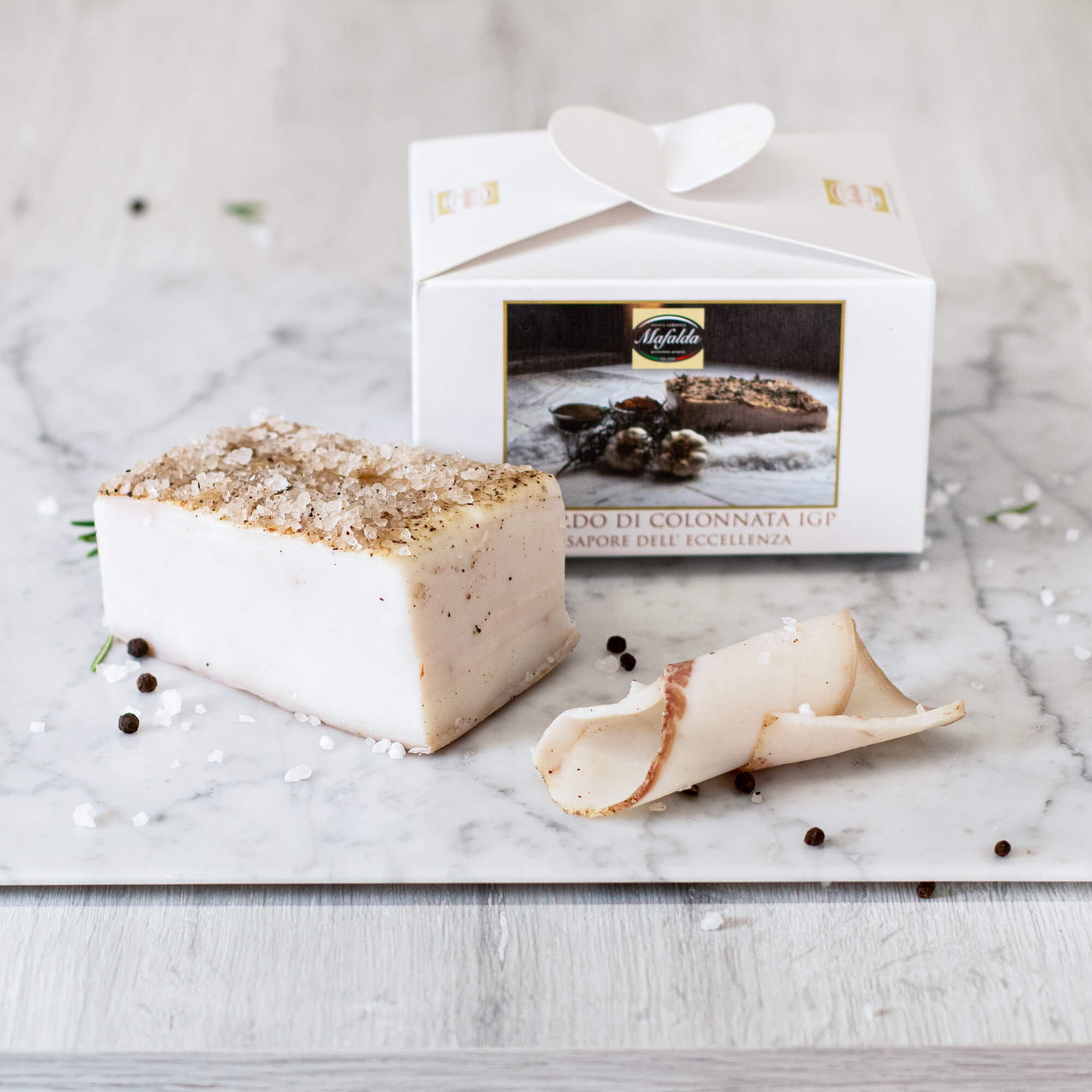
The first distinguishing feature is its certified origin: Colonnata . While the term "lardo" refers to any product obtained from pork back fat, seasoned with salt and spices, Lardo di Colonnata can only be made in the small village of Colonnata , a hamlet of Carrara, in Tuscany.
This area is closely linked to the marble processing of the Apuan Alps and the quarrying tradition. It's no coincidence that Lardo di Colonnata is aged exclusively in hand-hewn white marble basins , which contribute uniquely to its maturation. The PGI (Protected Geographical Indication) designation, obtained in 2004, certifies this uniqueness and protects its production method.
Generic lard, on the other hand, can be produced anywhere, even outside of Italy, using variable and unregulated techniques, ingredients, and curing times.
Differences in manufacturing: artisanal vs. industrial
To better understand what makes Lardo di Colonnata unique, it's important to understand how lard is made . Common lard is typically aged in plastic, steel, or wooden containers and often treated with preservatives or artificial flavors to speed up the process . The result can be delicious, but it rarely achieves the aromatic complexity of a traditional product.
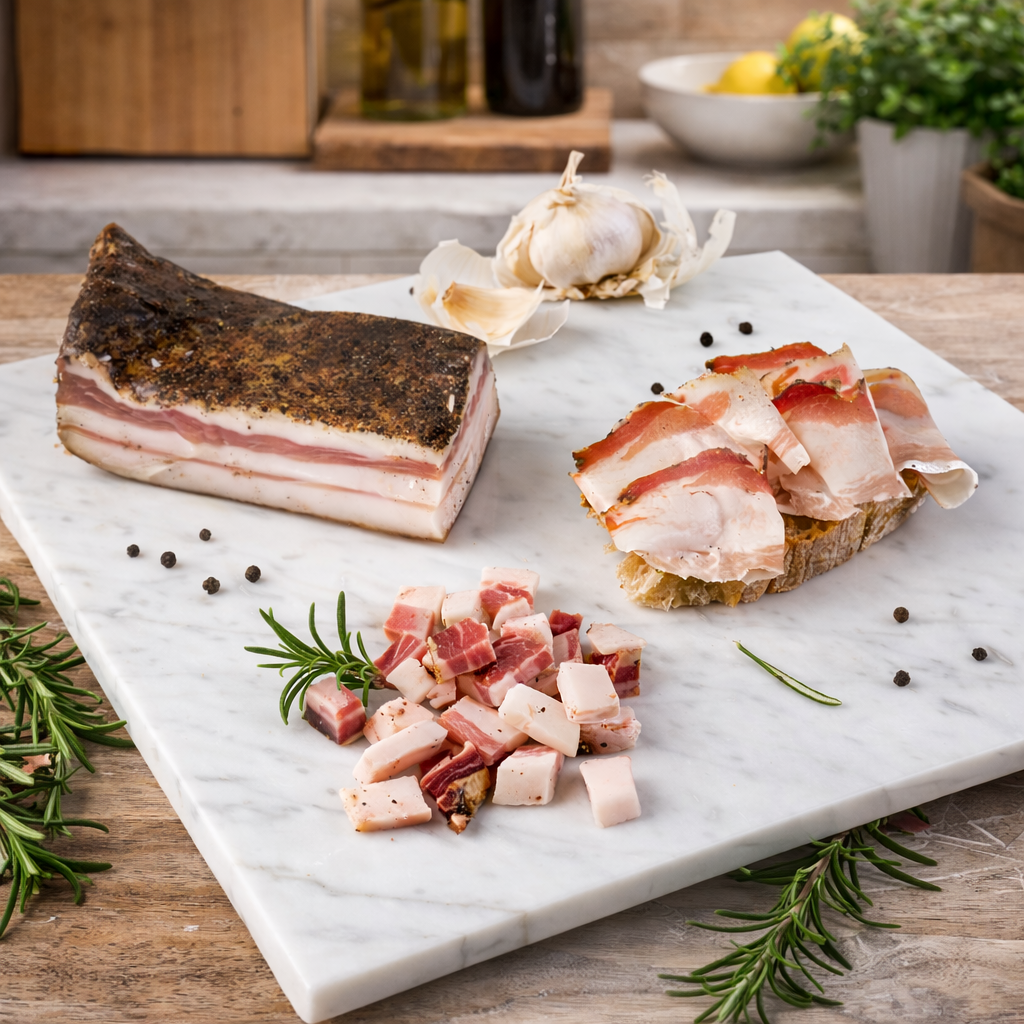
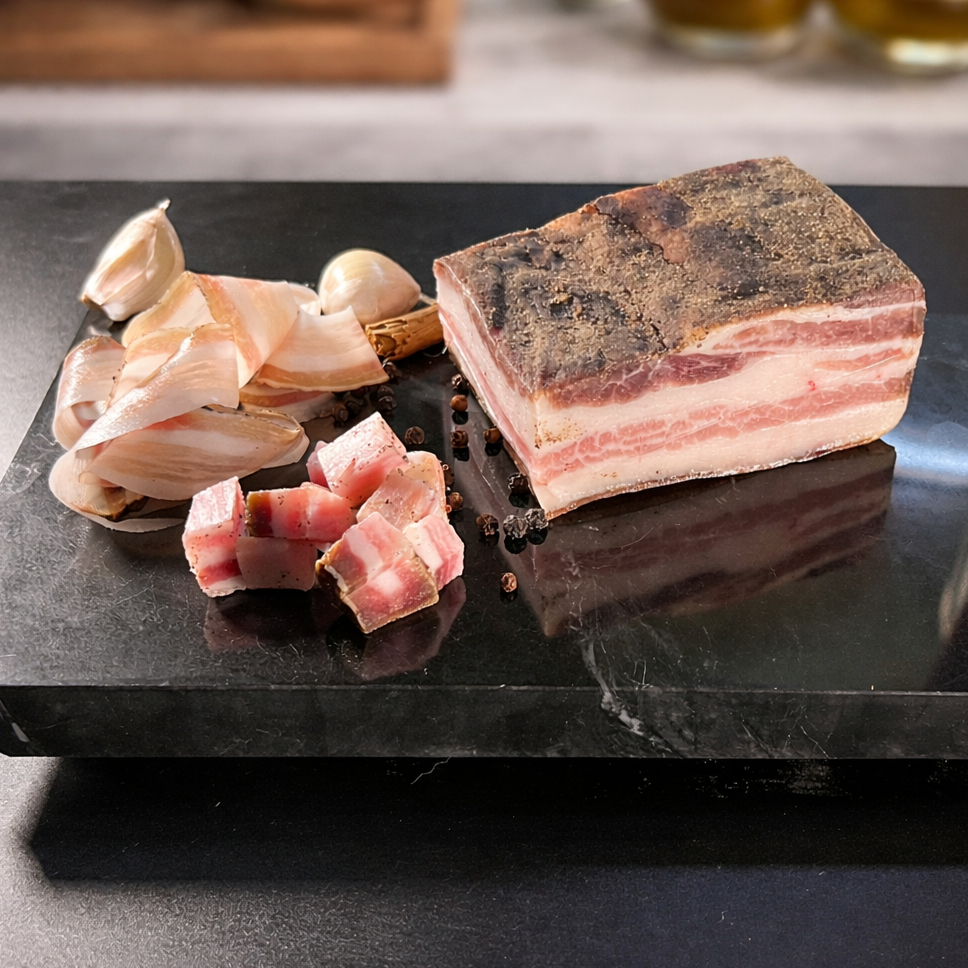
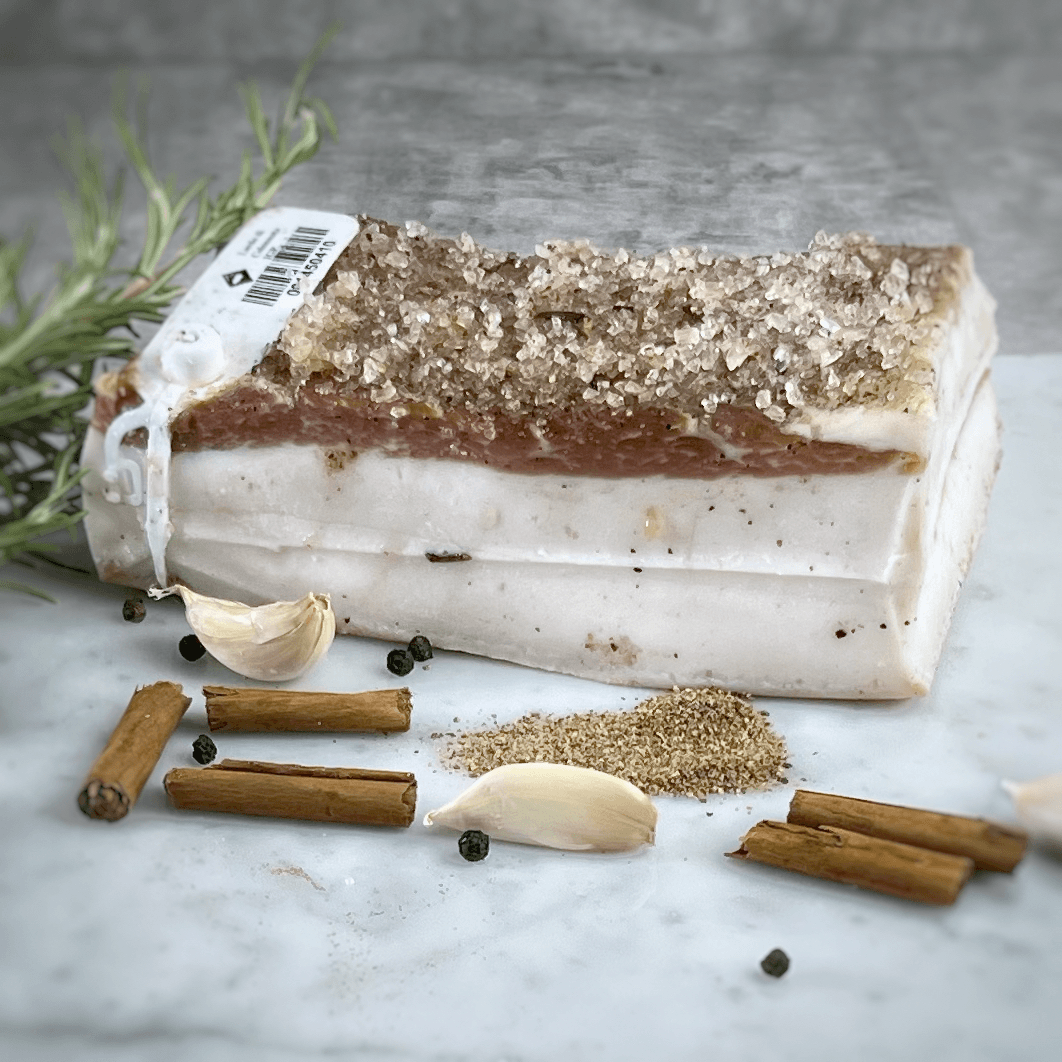
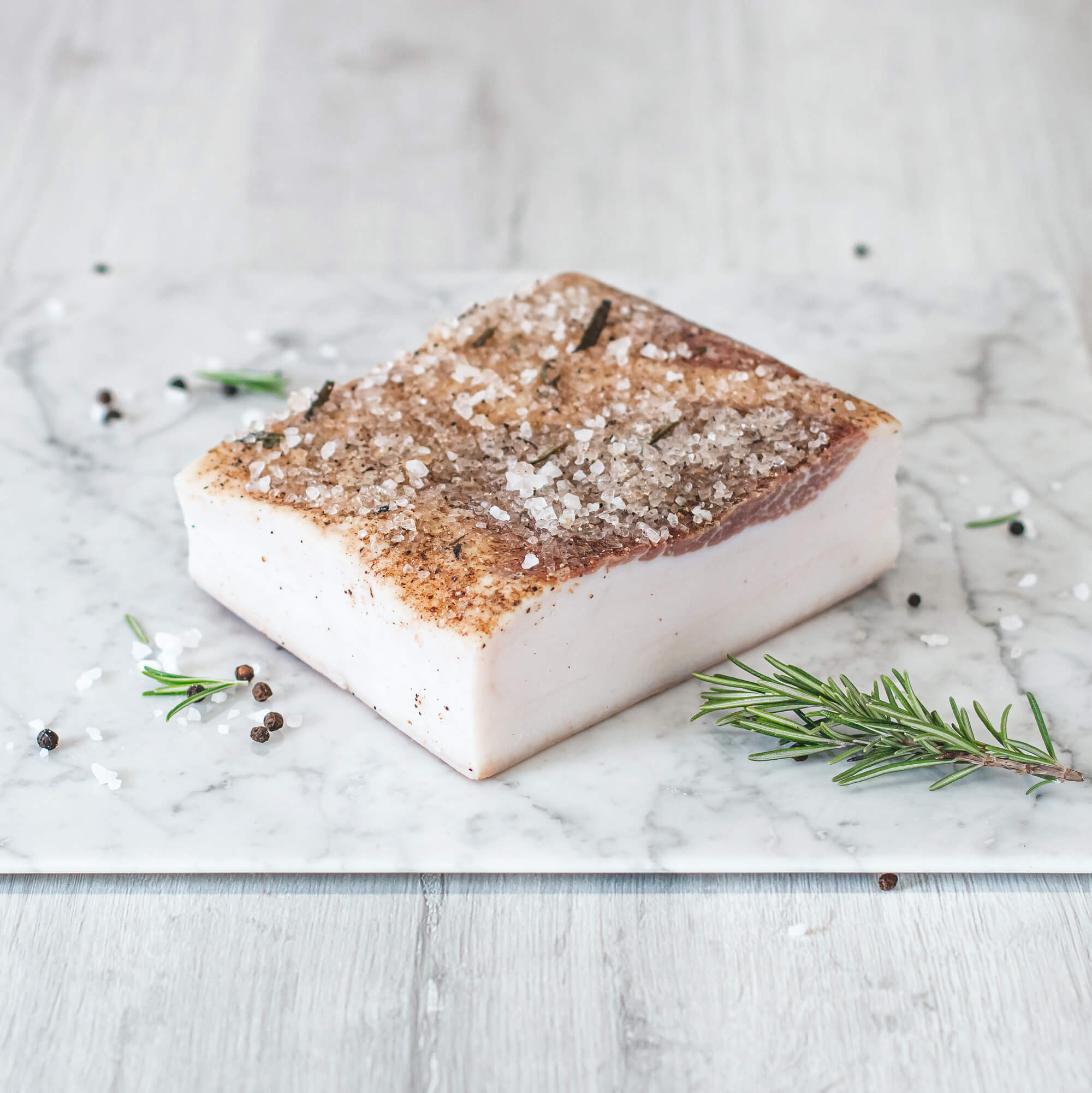
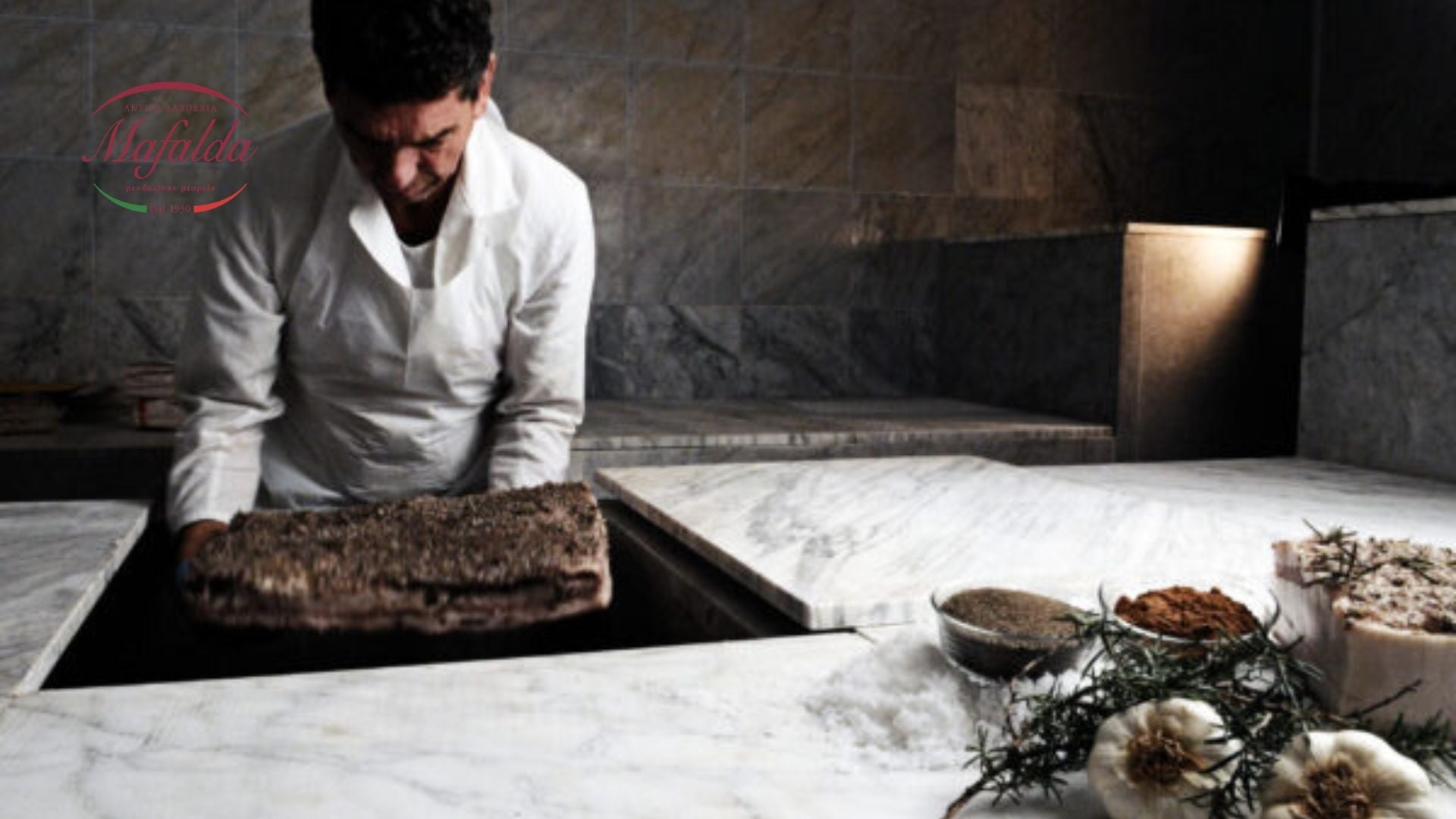
The world -famous Lardo di Colonnata , on the other hand, follows a completely natural process : the fat is massaged with sea salt, fresh garlic, black pepper, rosemary, and other herbs, then layered into marble basins . It ages there for at least six months, during which time the marble helps regulate humidity and temperature, creating an ideal microclimate. The slow absorption of flavors gives the product its inimitable aroma and flavor.
Natural ingredients and flavors
Even the ingredients make the difference. Lardo di Colonnata PGI uses only natural ingredients : no preservatives, no chemical additives. The raw materials are carefully selected, often from Italian pigs, and processed according to ancient recipes passed down through the generations . The herbs used vary slightly from family to family, but the process remains unchanged for centuries.
Industrial lard , on the other hand, contains artificial flavors, nitrites, stabilizers, and other substances used to extend its shelf life and standardize its flavor. The result is a product that is often less fragrant, less creamy, and less digestible .
Taste, consistency and final quality
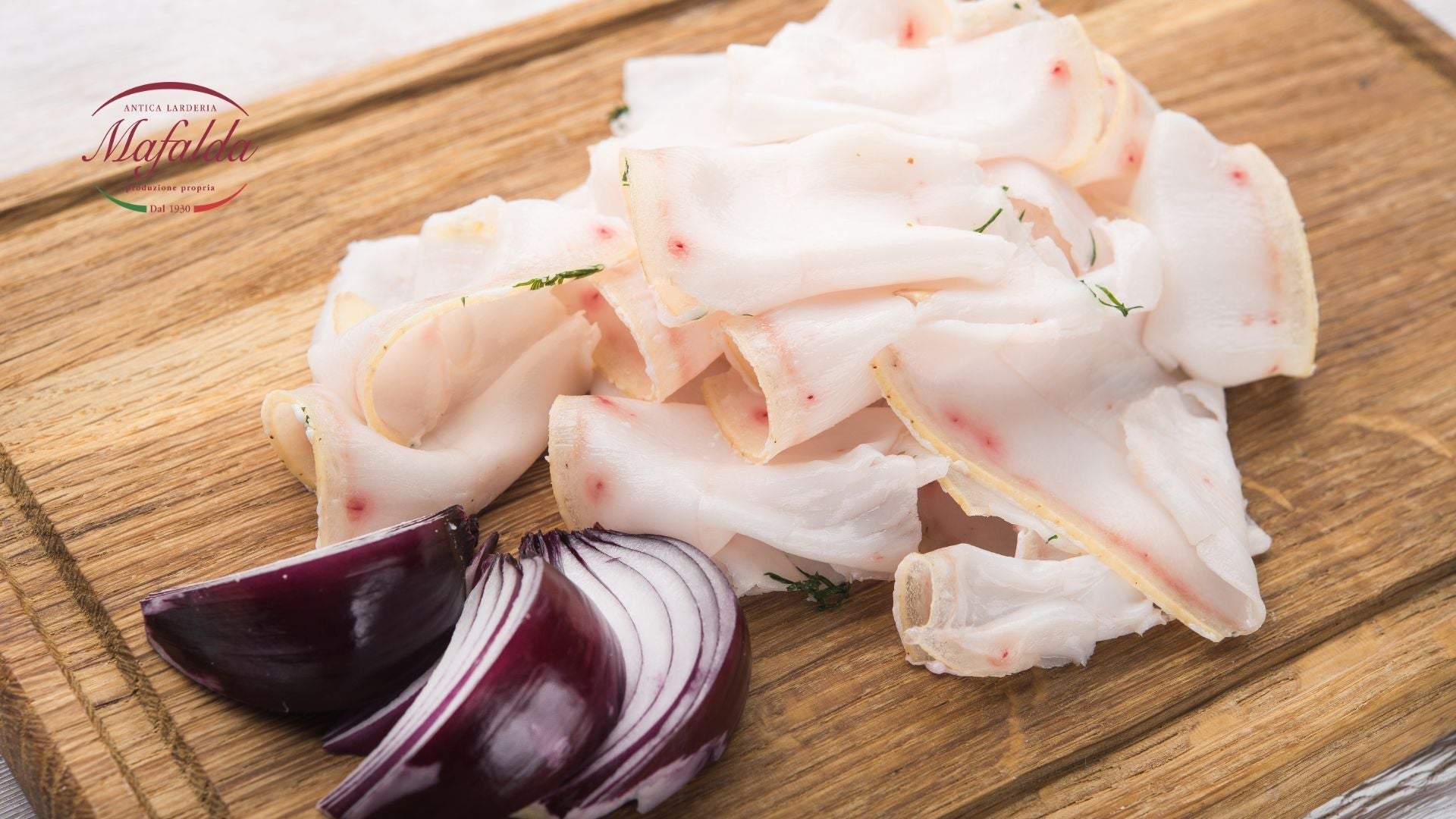
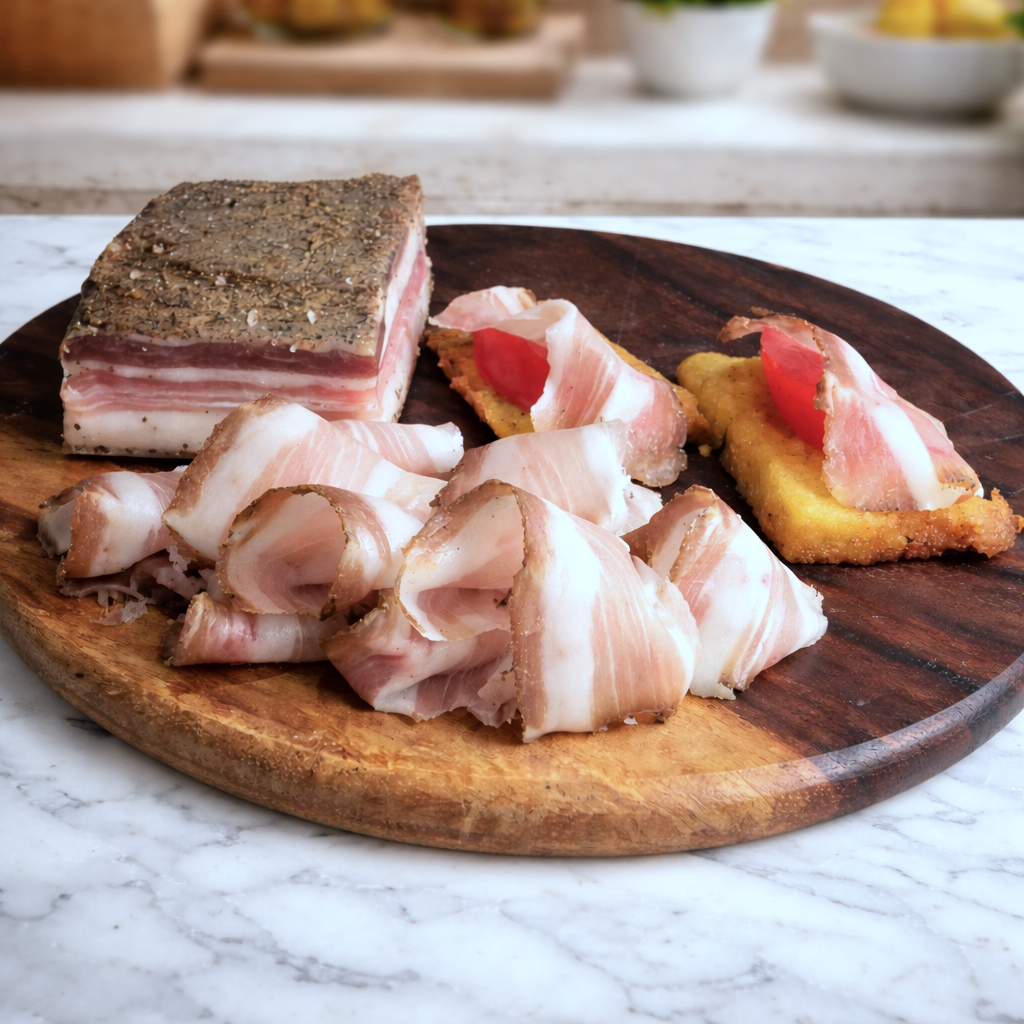
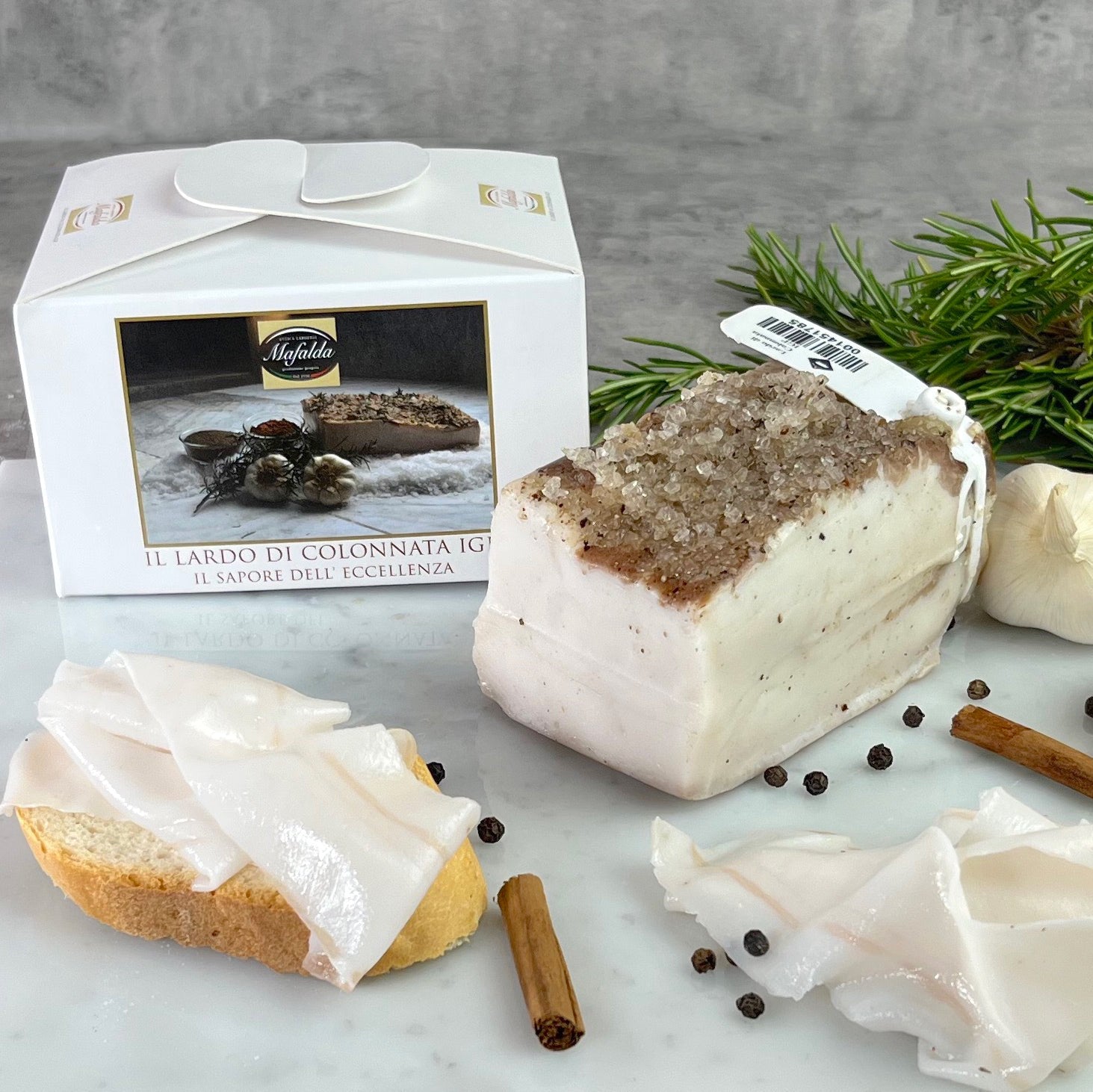
One of the things that immediately strikes those who taste Lardo di Colonnata is its silky, velvety texture. It melts in the mouth like butter , releasing a complex yet delicate aromatic bouquet. The flavor is never overly salty, because the marble curing process allows the aromas to penetrate harmoniously. It's a balance rarely found in other types of lard.
Generic lard may be drier , harder, or more aggressive on the palate, partly due to the lower quality of the raw material and its rapid aging process. If you'd like to discover other aspects that make Lardo di Colonnata special, we also recommend our in-depth article on the history of lard and its Italian excellences.
Nutritional value and conscious consumption
Even from a nutritional standpoint, some differences emerge. Lardo di Colonnata , thanks to the quality of the fat used and its slow, natural processing, retains a high concentration of monounsaturated fatty acids , similar to those in olive oil. This makes it more digestible and potentially beneficial when consumed in moderation.
As with all high-calorie products, it's important to pay attention to quantity, but it's equally true that the benefits of Lardo di Colonnata are numerous when included in a balanced diet.
In common lard, however, the quality of the fat can vary significantly . Some industrial products contain high percentages of less noble saturated fats and are poor in natural flavors, making them less interesting from both a taste and nutritional standpoint.
A symbol of Italian gastronomic culture
In conclusion, generic lard and Lardo di Colonnata PGI share the same roots, but they are profoundly different products in terms of quality, method, flavor, and cultural value. The former may be a versatile and accessible ingredient, but it is often standardized and lacking in personality. The latter is a symbol of Tuscan artisan culture , an identifying product that tells a story of skilled hands, marble, silence, and time.
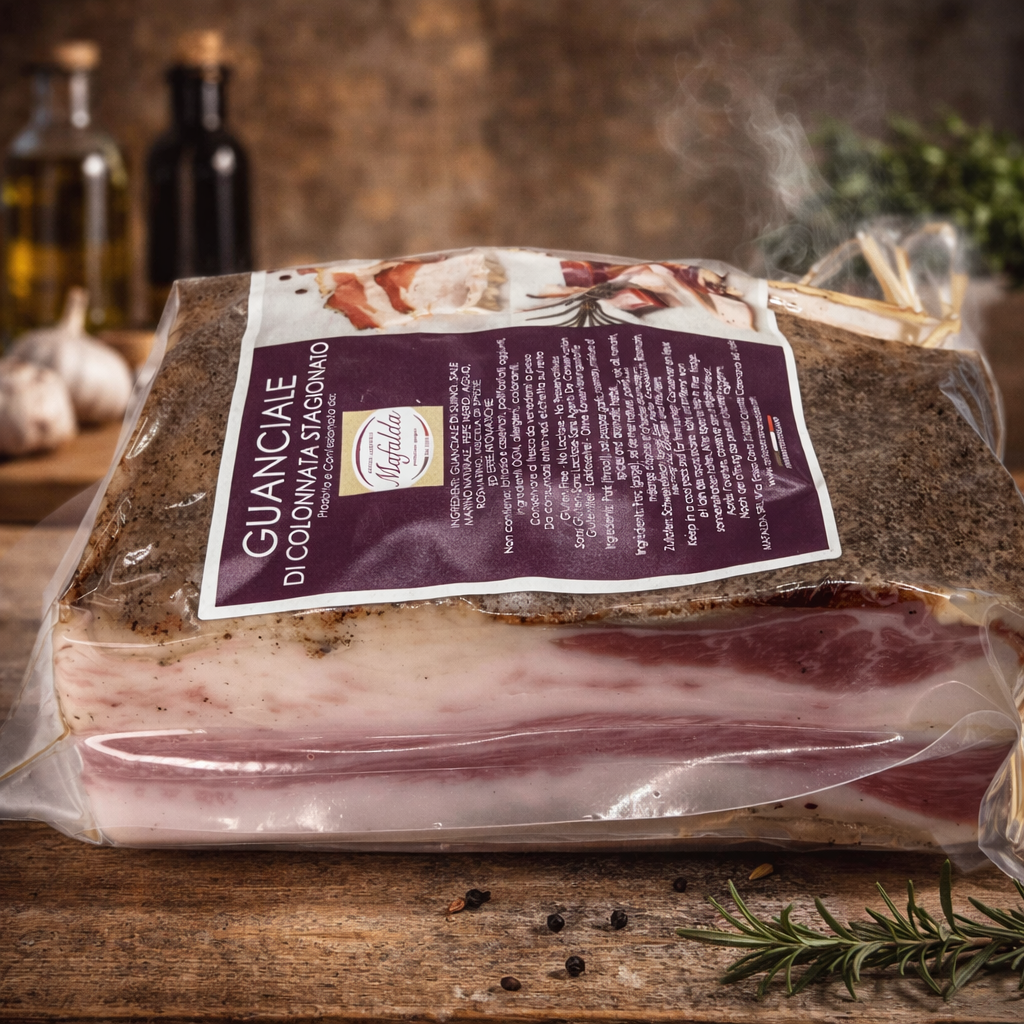
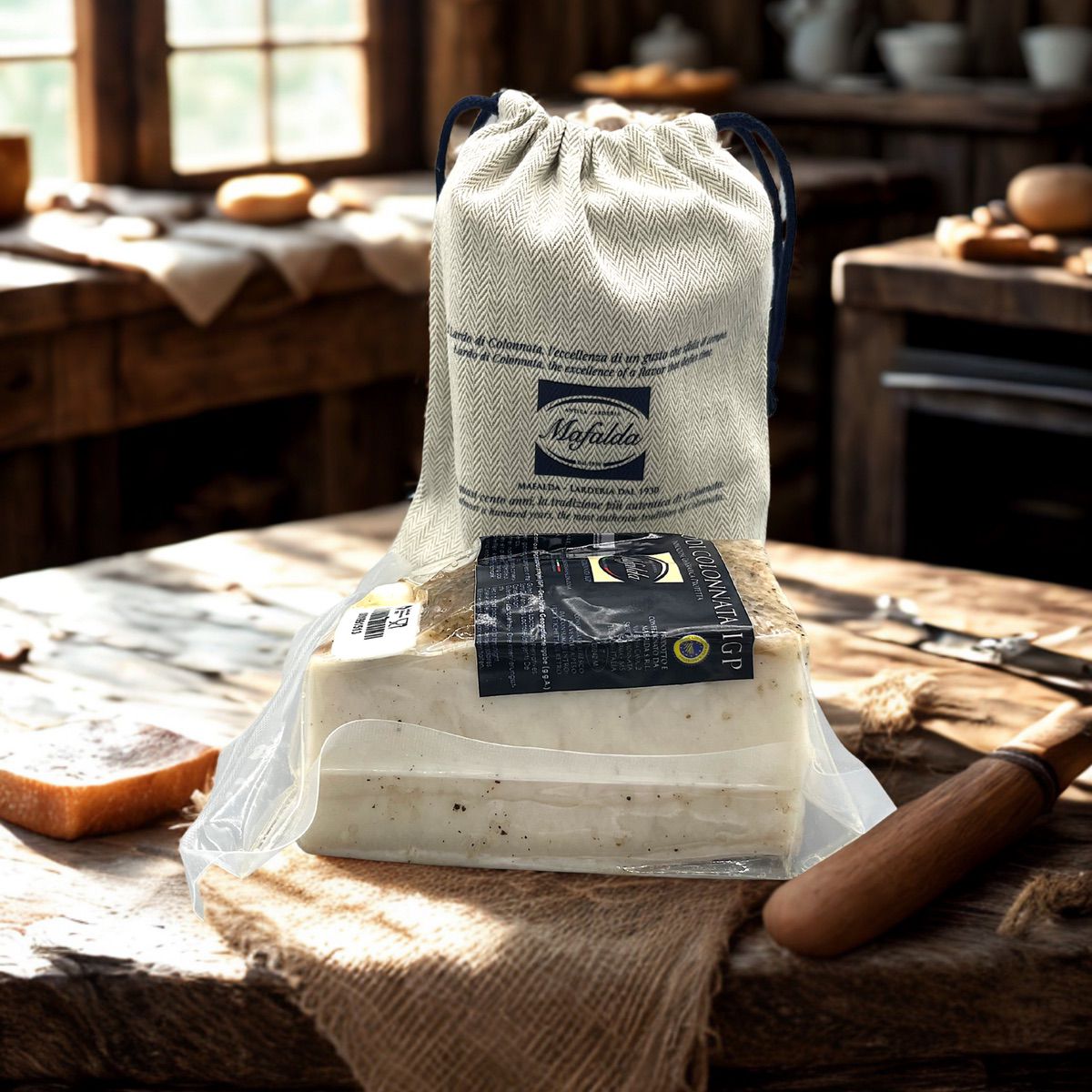
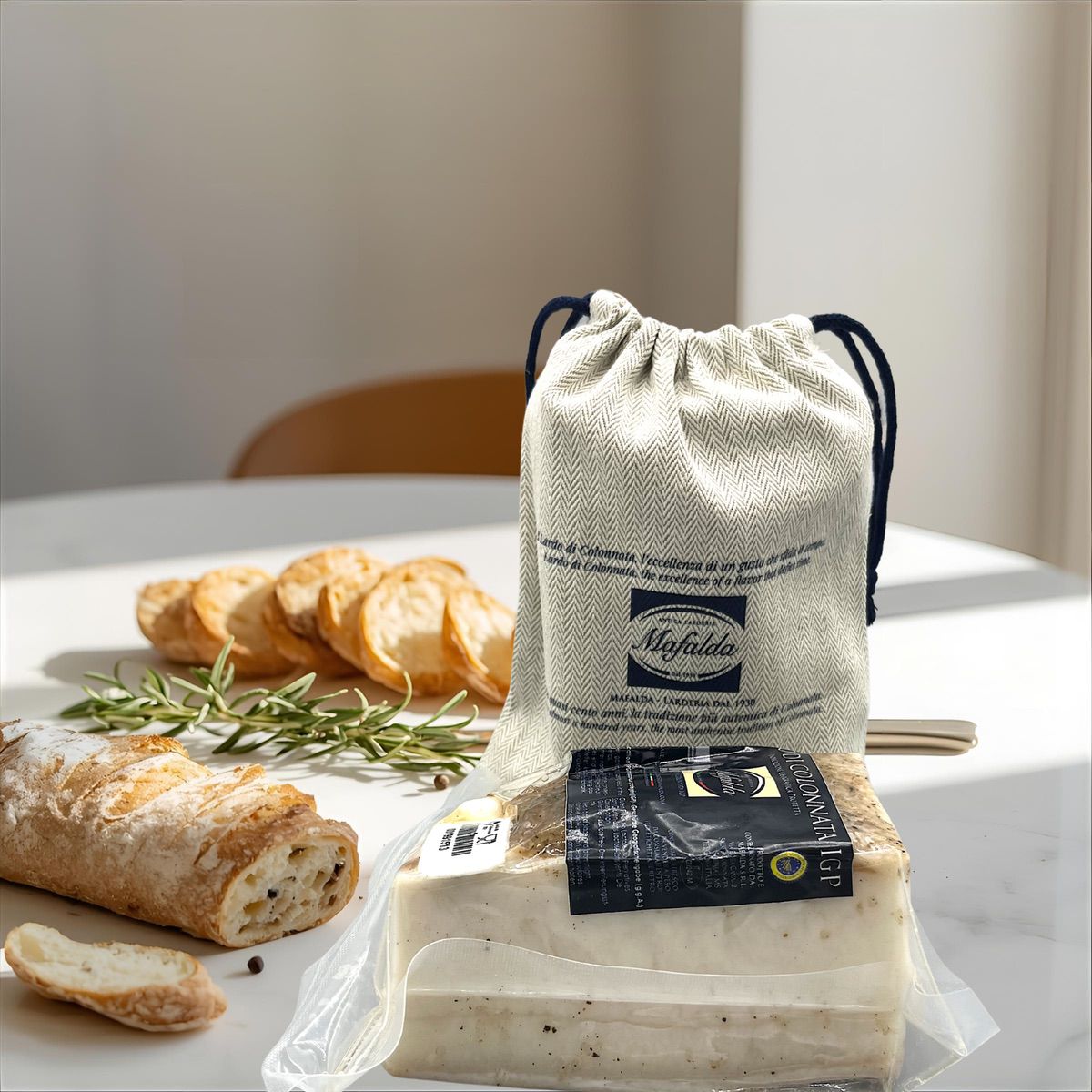
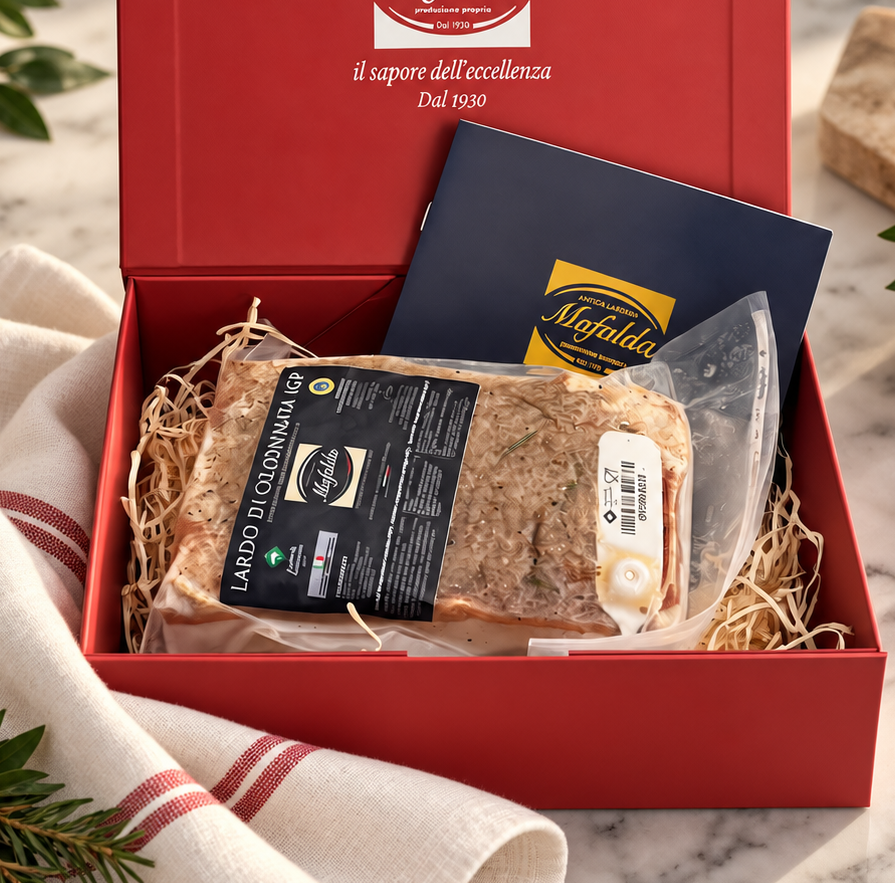
Those who choose Lardo di Colonnata choose an experience. And to fully experience it, it's important to rely on producers who consistently and passionately uphold this tradition . Antica Larderia Mafalda is among the leading names, offering not only an authentic product, but also the entire culture that surrounds it.
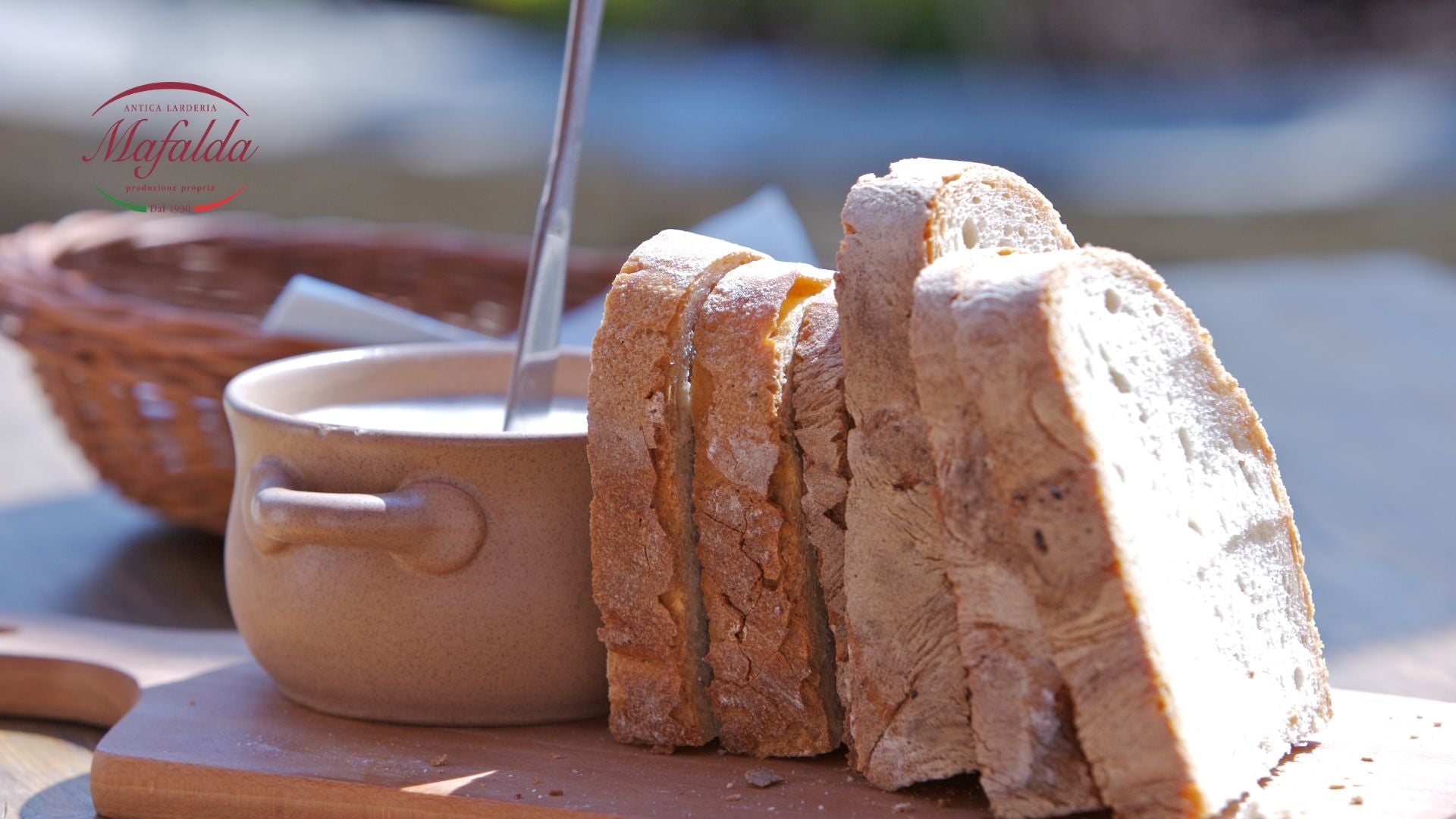
Whether you're curious, a passionate enthusiast, or a gourmet seeking true excitement, Lardo di Colonnata awaits you. Just a thin slice on warm bread is enough to immediately understand that this is no ordinary lard.



Leave a comment
This site is protected by hCaptcha and the hCaptcha Privacy Policy and Terms of Service apply.