Why is Carrara marble so precious?
When we think of marble, our thoughts almost inevitably turn to Carrara. It's no coincidence that for centuries, Carrara marble has been considered "the marble" par excellence, a material synonymous with elegance and prestige , chosen for statues, monuments, palaces, and today even for contemporary furnishings. But why is Carrara marble so prized? The answer lies in the combination of geology, history, technical characteristics, and the mastery of those who work it.
Origins and characteristics of Carrara marble
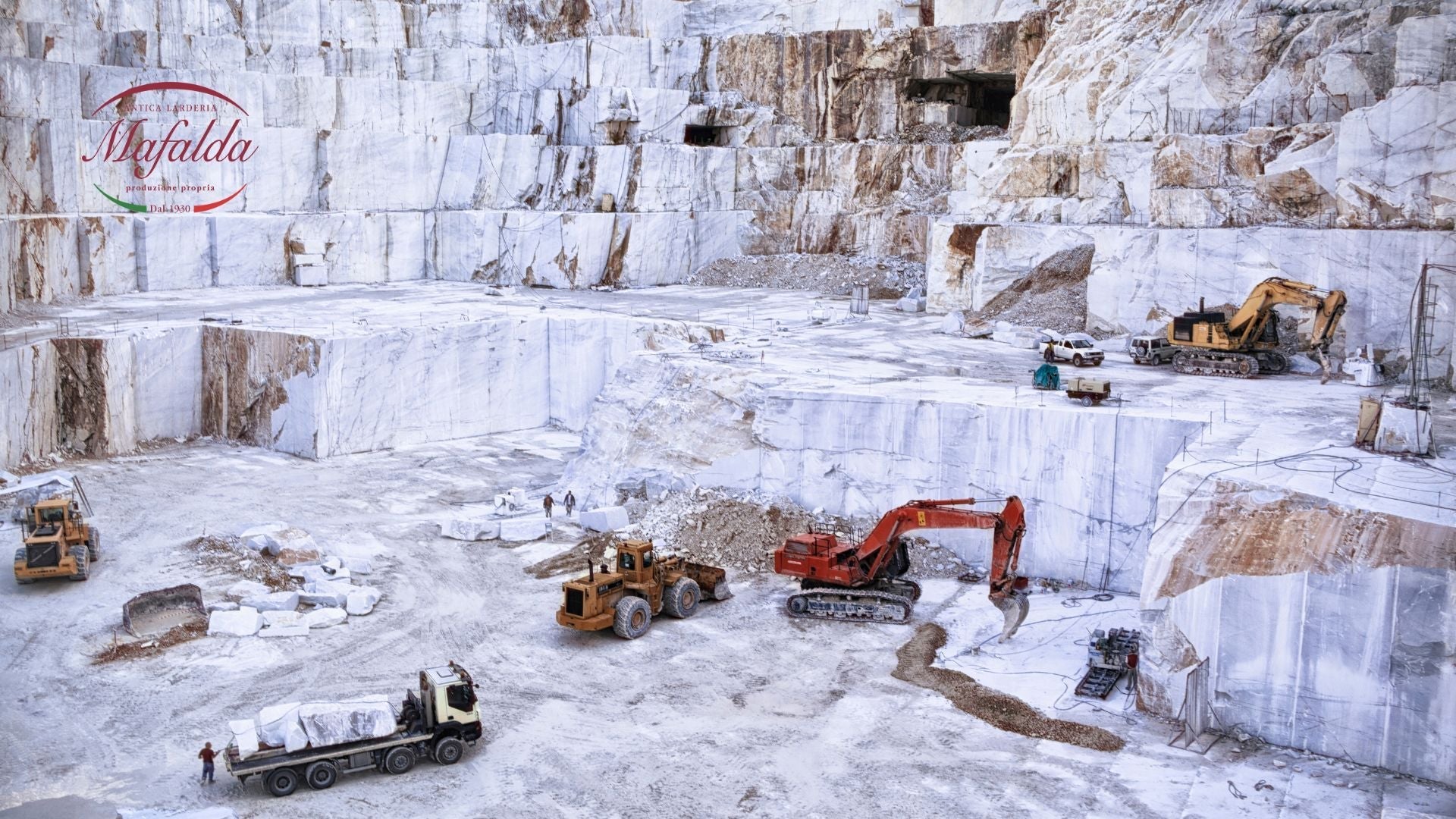
Carrara marble is a metamorphic rock formed millions of years ago from the transformation of ancient marine sediments rich in calcium carbonate . These sediments, composed of the remains of algae and small marine organisms, gradually compacted and transformed under pressure and temperature, giving rise to a stone with a pale background and a fine, uniform grain.
It is extracted from quarries in the Apuan Alps , in Tuscany, an area that has been the heart of the Italian marble industry for centuries . Its compact structure, the purity of the calcium carbonate, and the ability to achieve very smooth and shiny surfaces are some of the reasons that make it a prized and sought-after Carrara marble worldwide .
There is not just one “Carrara marble”, but several varieties, distinguished by their tone of white and the intensity of their veining: from the more uniform Bianco Carrara, to marbles with more marked veining, up to the most prestigious qualities such as Statuario, historically reserved for the most important sculptures.
Why Carrara marble is considered so precious
The value of Carrara marble comes from the combination of three elements: aesthetic beauty, technical quality and history .
Aesthetically, Carrara marble is recognized by its white or grayish-white background, punctuated by more or less subtle veining . The fine, compact grain allows the surface to be refined to a distinctive, almost "silky" sheen, which softly reflects light and makes spaces brighter and more refined.
From a technical perspective, Carrara marble combines strength and workability . It is robust enough to last for centuries , yet can be sculpted and finished with great precision. This is why it has been chosen by some of history's greatest sculptors for works destined to stand the test of time.
Finally, there's the historical component: Carrara marble has been quarried and used since Roman times for temples, statues, and public buildings, and its fame has never faded. Today, when you choose this material, you bring with you not only a natural stone, but also a millennia-old tradition of artisans, quarries, and landscapes sculpted by man.
From classical art to contemporary design
Carrara marble is featured in some of the world's most famous works of art : statues, bas-reliefs, church facades, and historic buildings. Over time, its use has also extended to civil architecture and interior design: flooring, staircases, bathroom and kitchen countertops, luxury cladding, and designer objects.
Today, it is chosen by architects and interior designers for projects that combine timeless elegance and natural materials . Each slab is different from the next: the veining, the shades of white and gray, the subtle variations in the stone make each piece unique. It is precisely this uniqueness, combined with its long-lasting durability, that confirms the idea of precious marble compared to other more common or industrial materials.
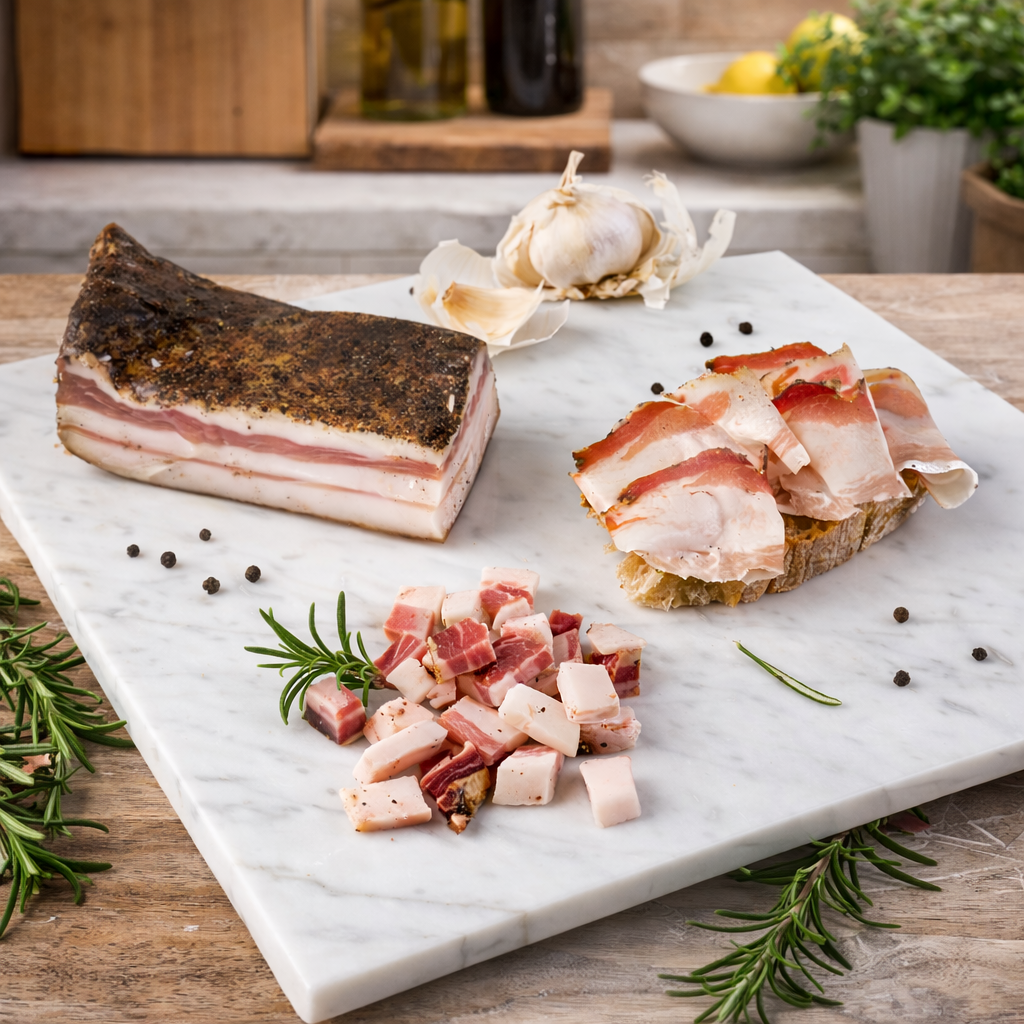
In addition to large formats, Carrara marble is also used for everyday objects : cutting boards, trays, mortars, and tableware that bring the same raw material used for historic buildings and sculptures into the kitchen. On our website, you can discover a selection ofCarrara marble products designed specifically to enhance conviviality and the quality of the raw materials.
Carrara marble, Colonnata and Colonnata lard
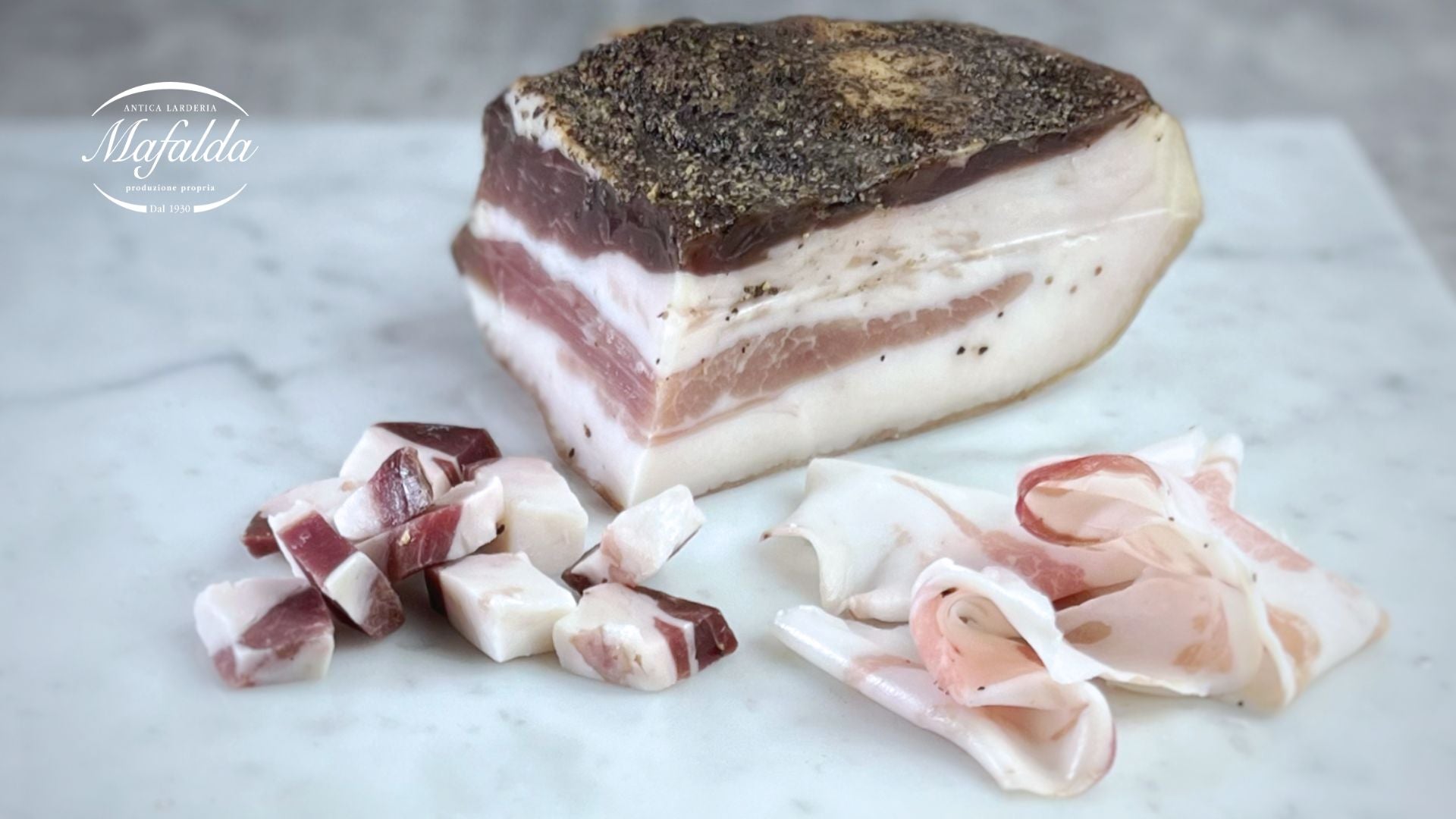
When speaking of Carrara, one cannot ignore the connection between marble and the small village of Colonnata , perched above the quarries. Here, marble is not just architecture and sculpture: it literally enters the gastronomic tradition, becoming a fundamental part of the production process of the famous Colonnata lardo .
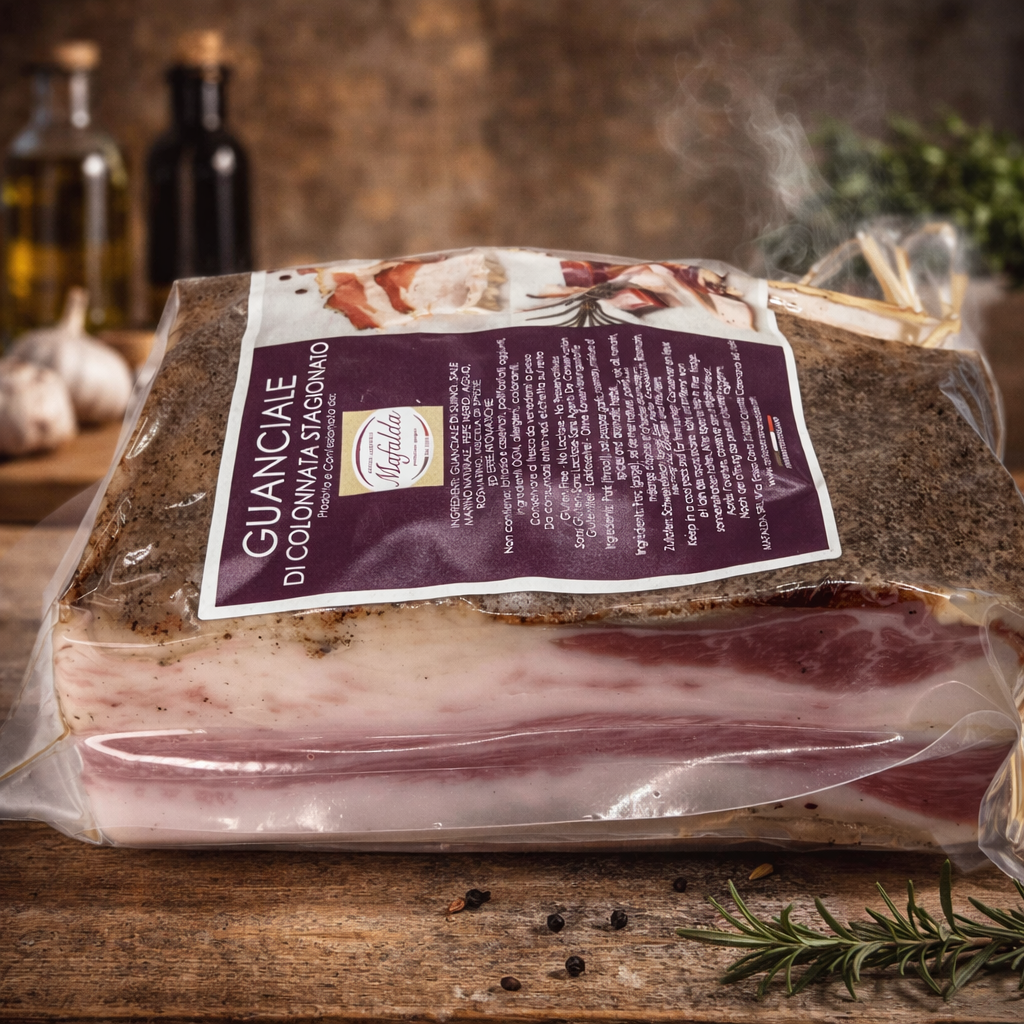
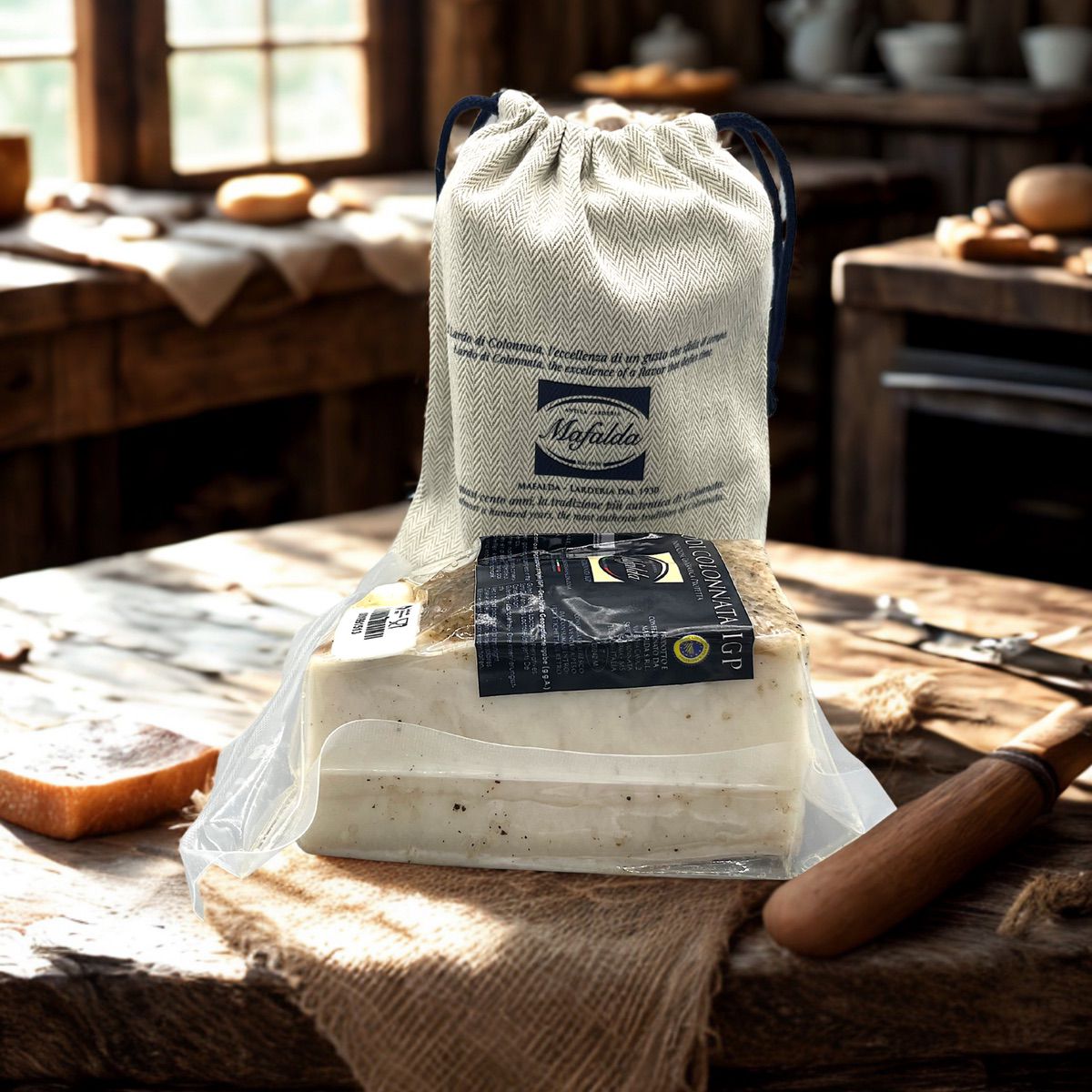
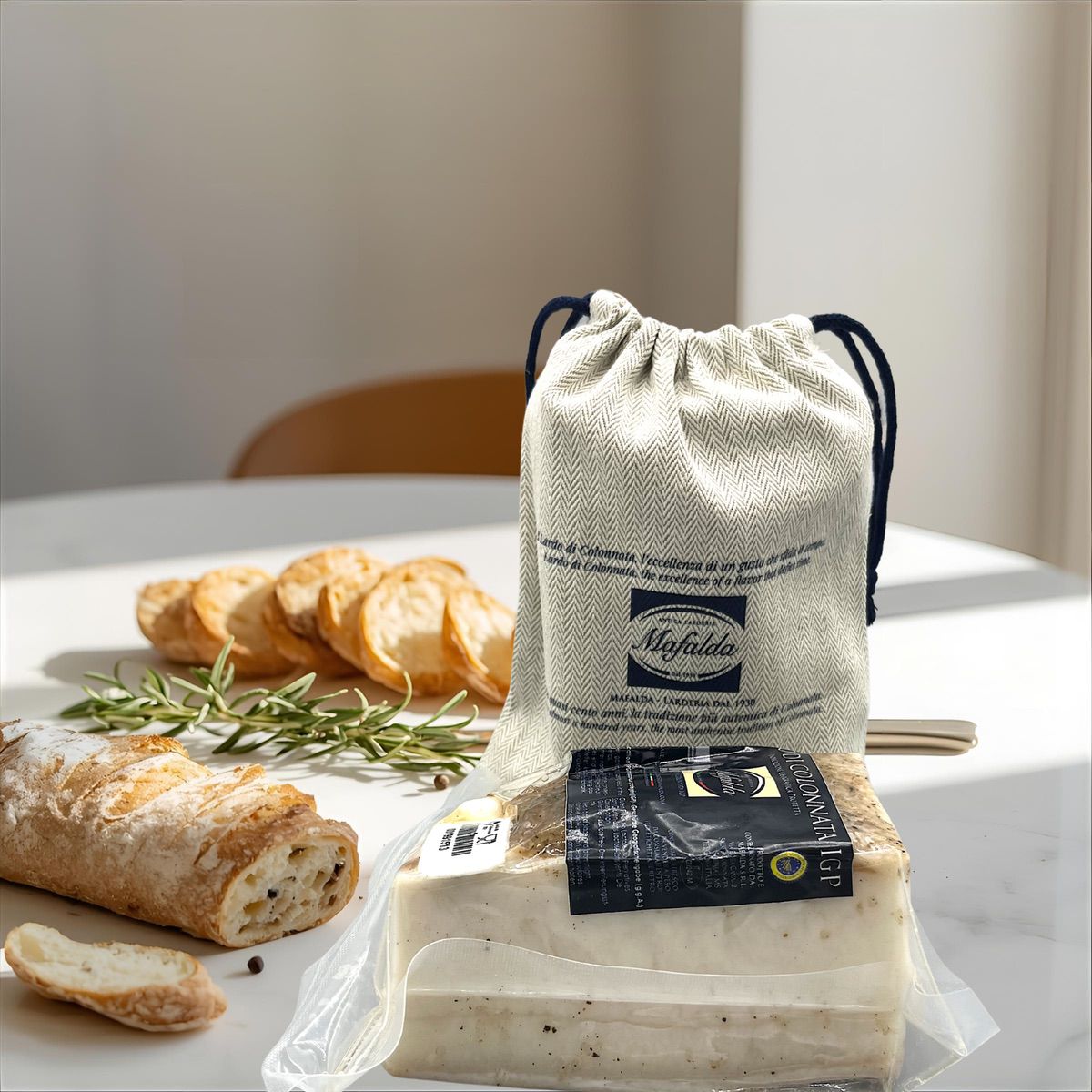
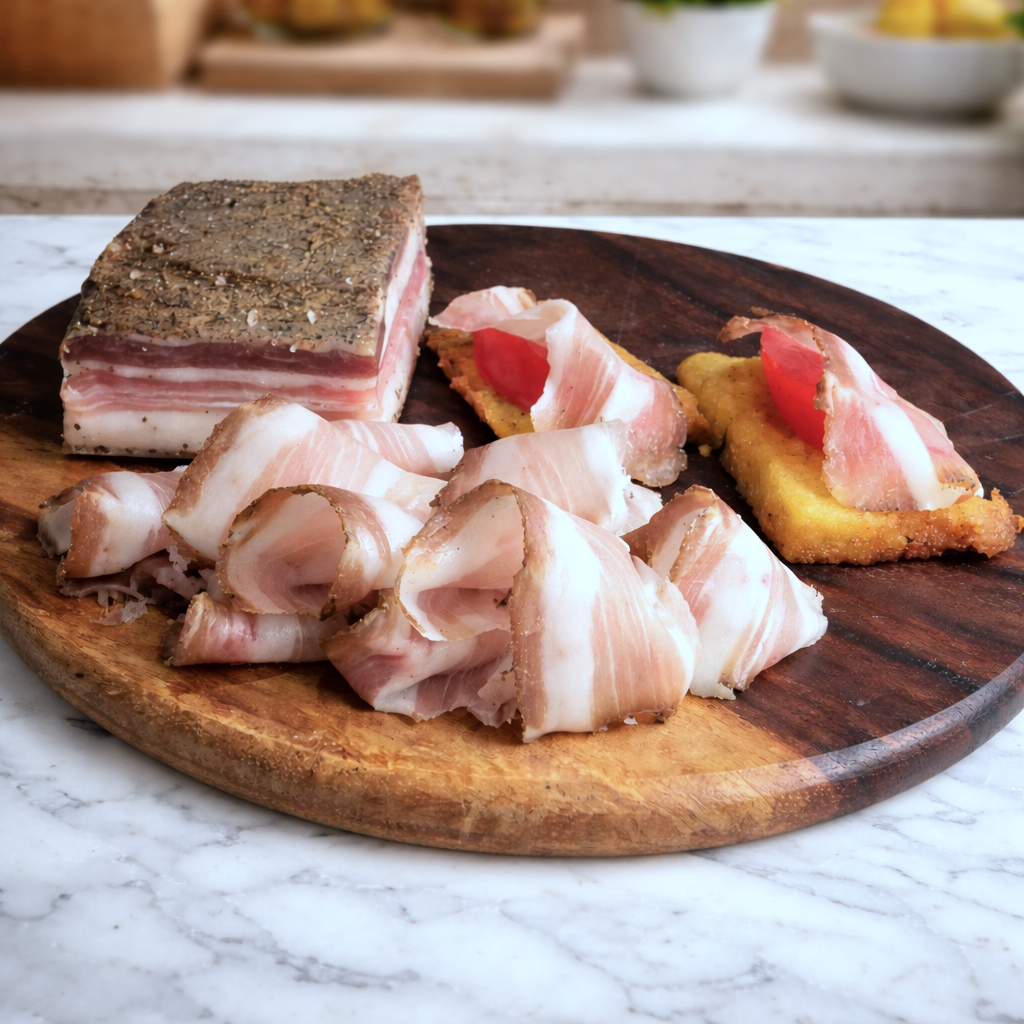
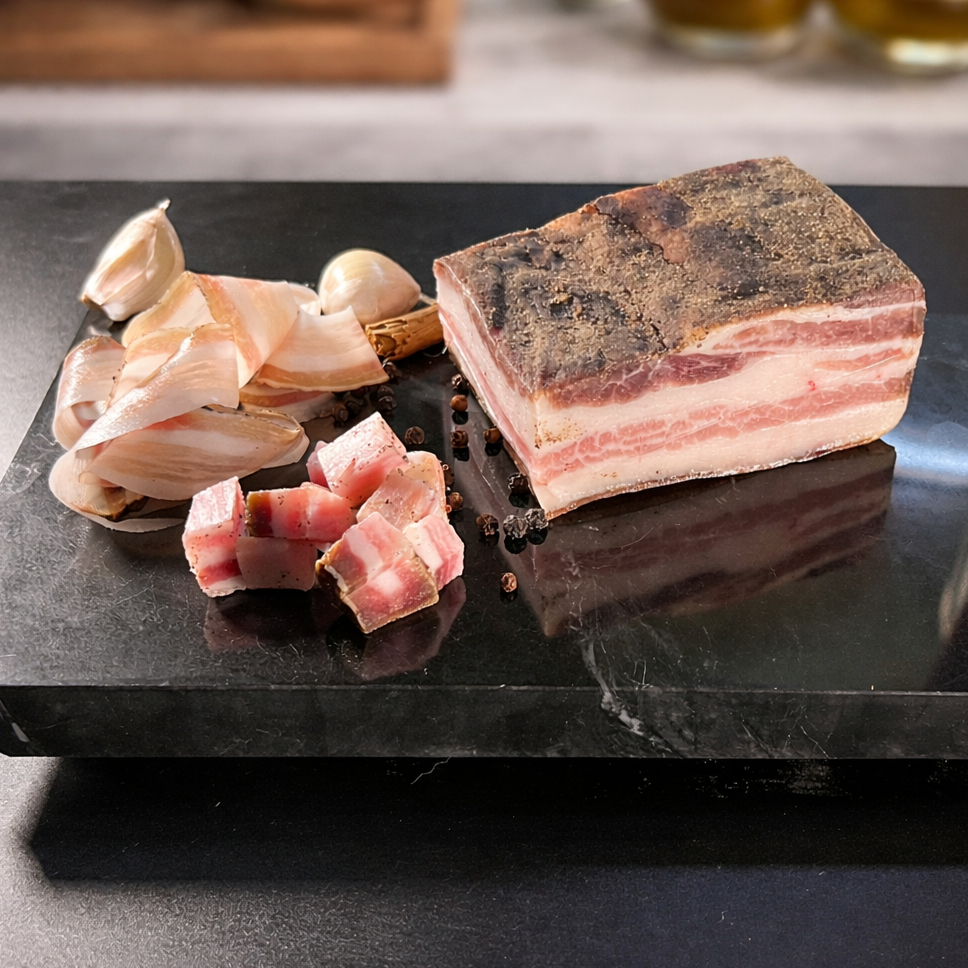
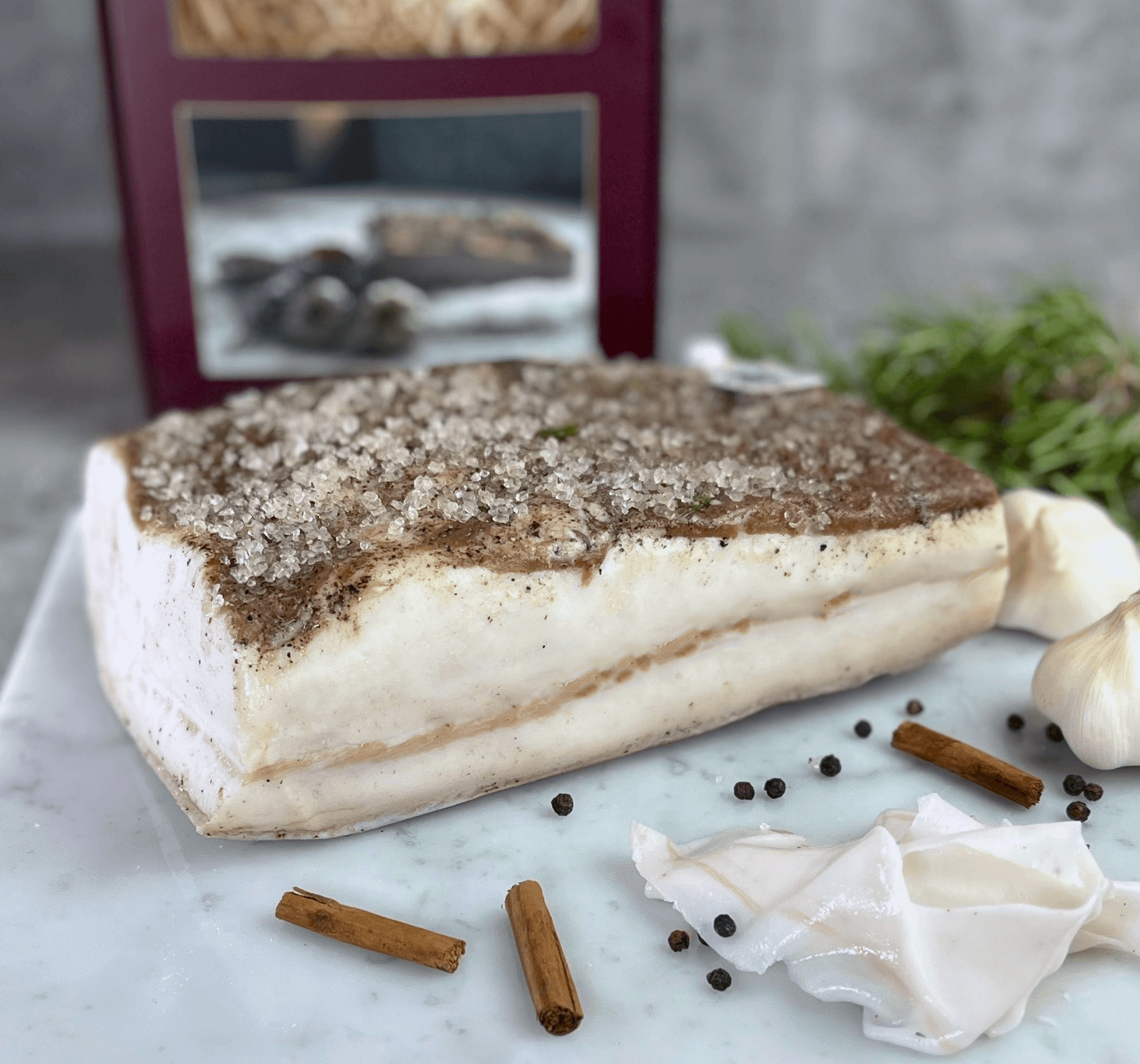
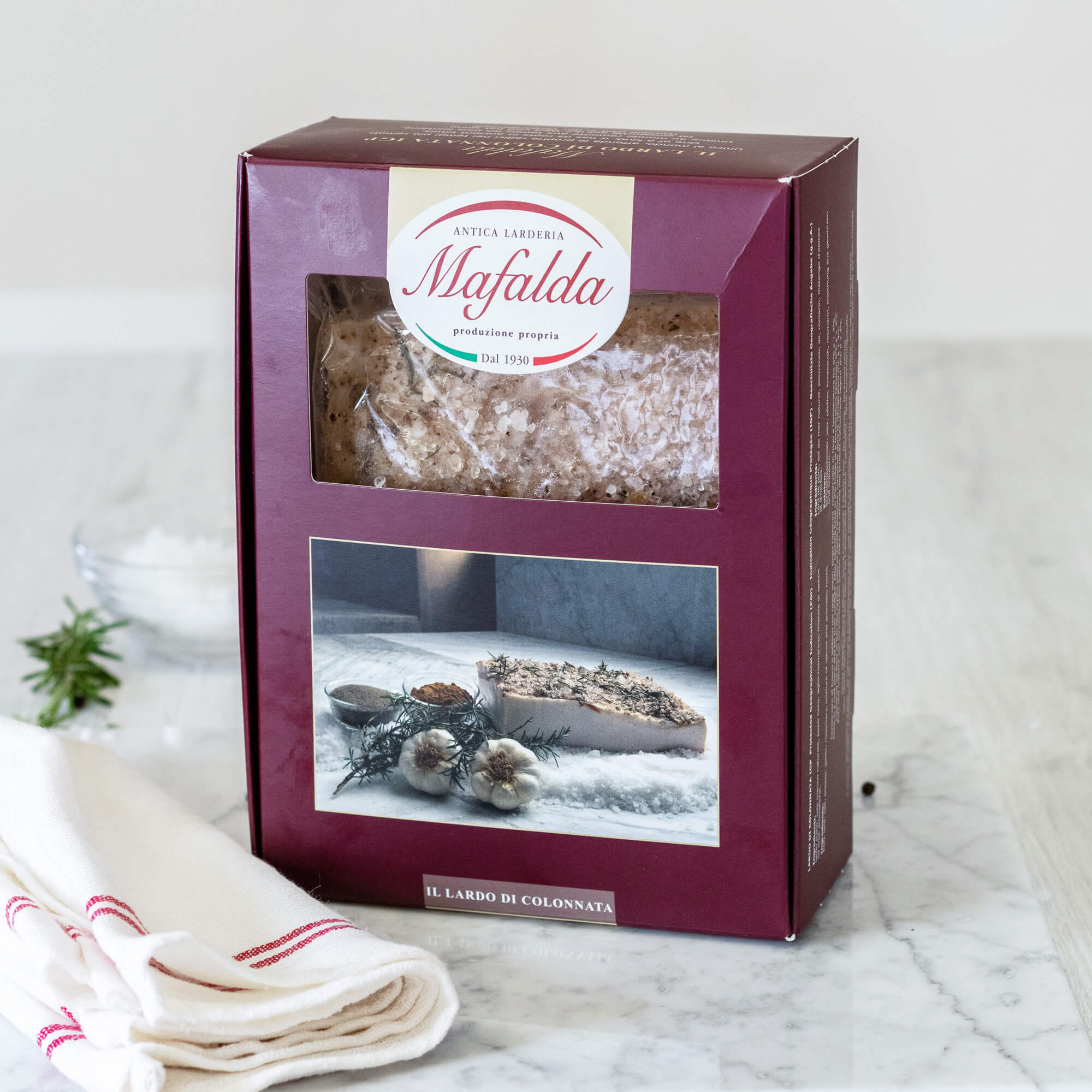
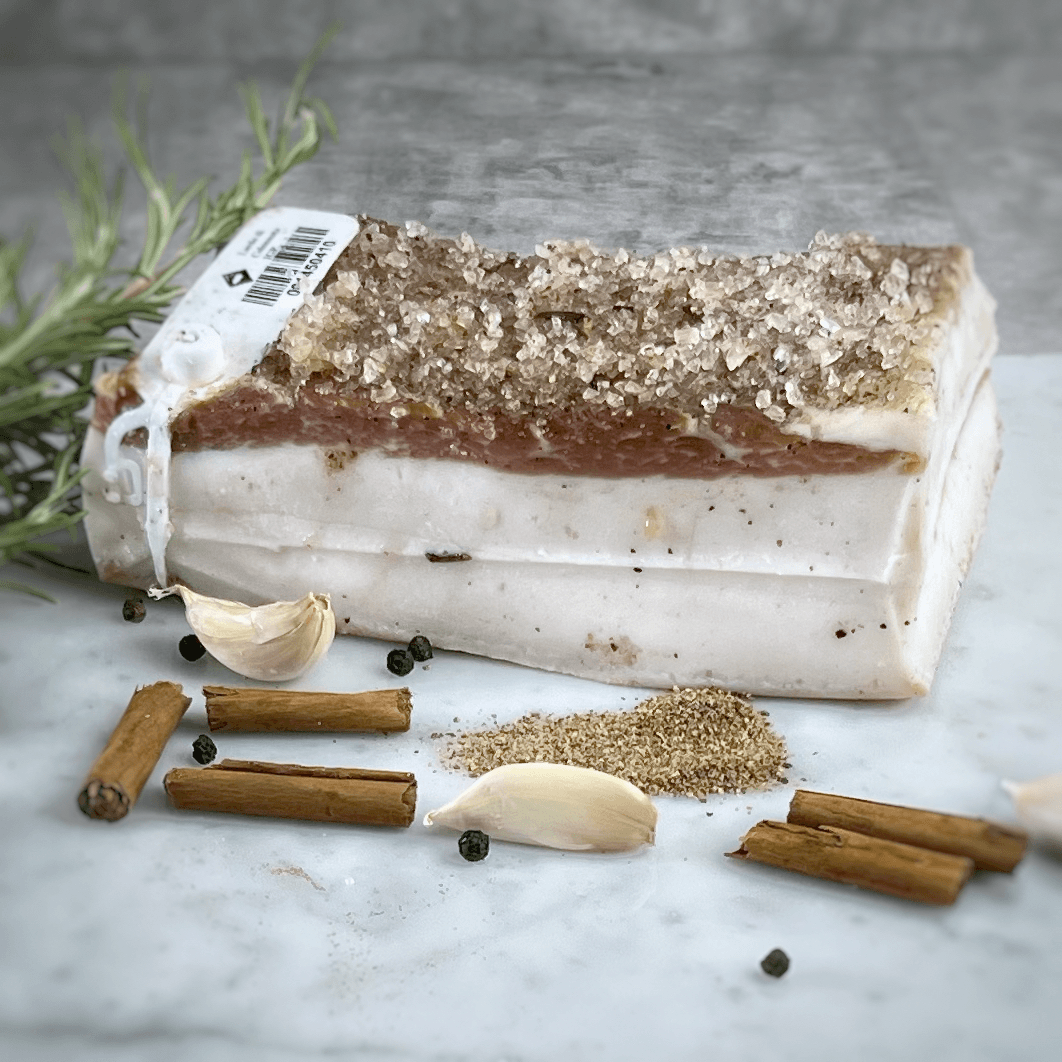
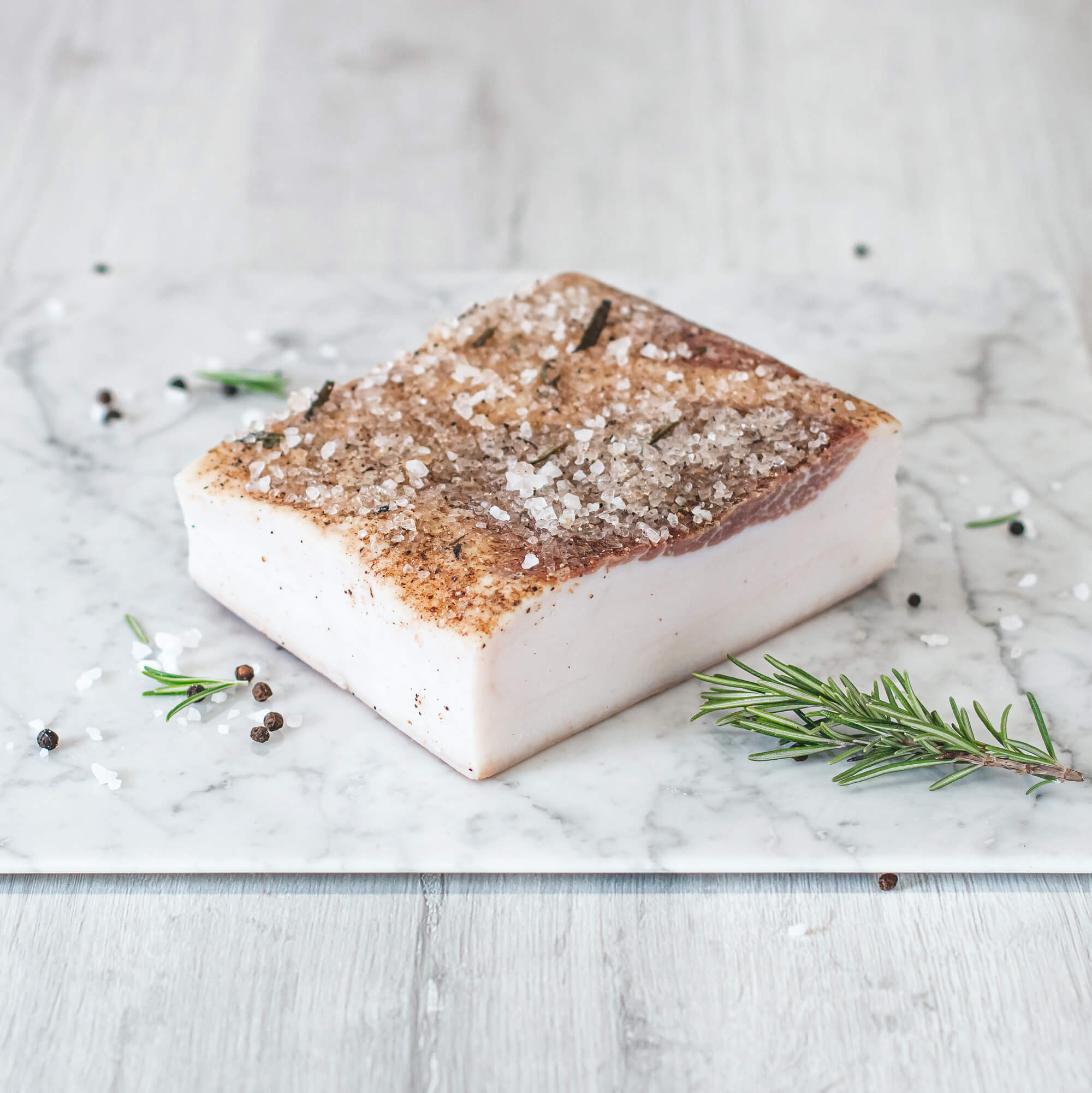
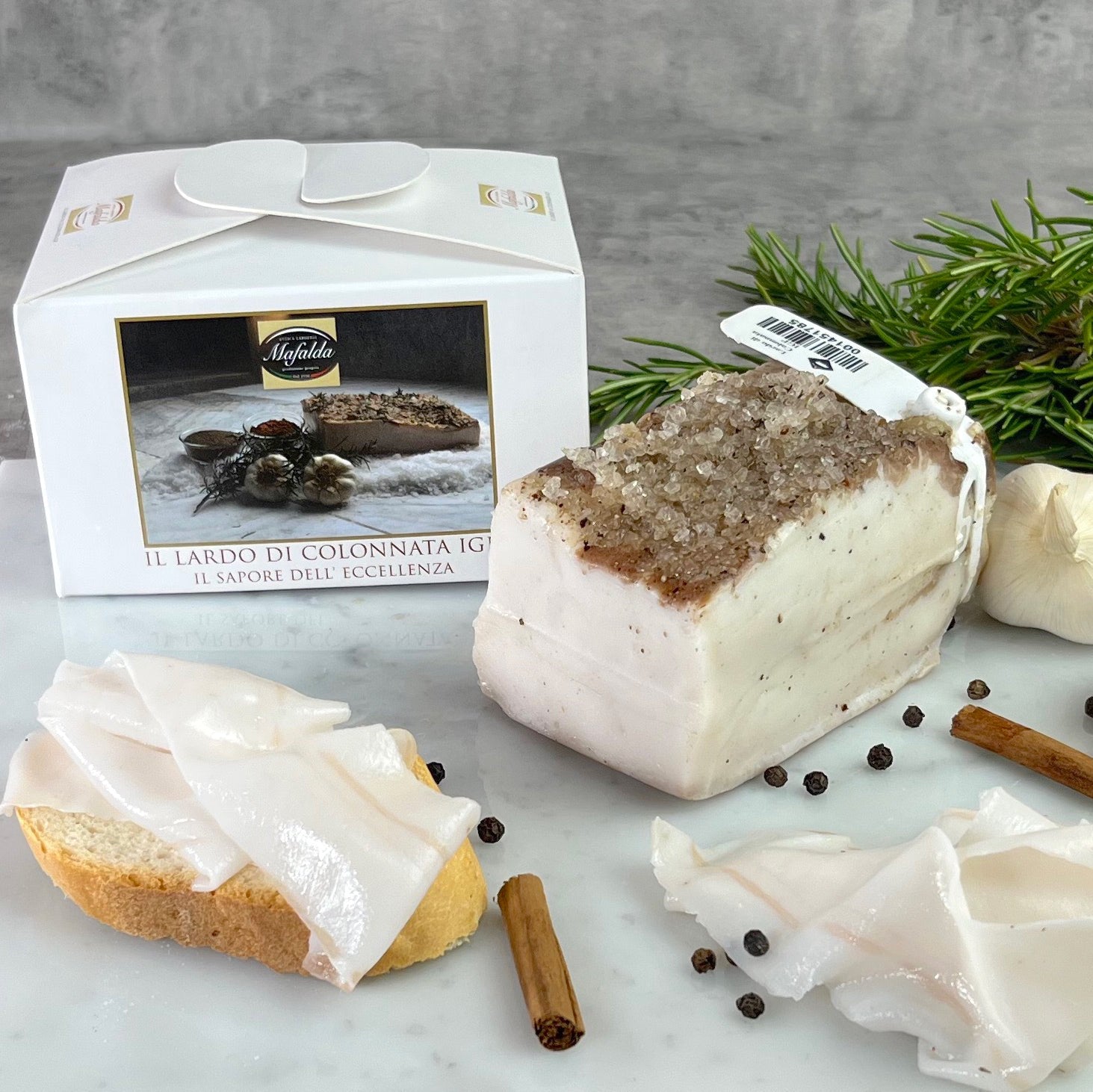
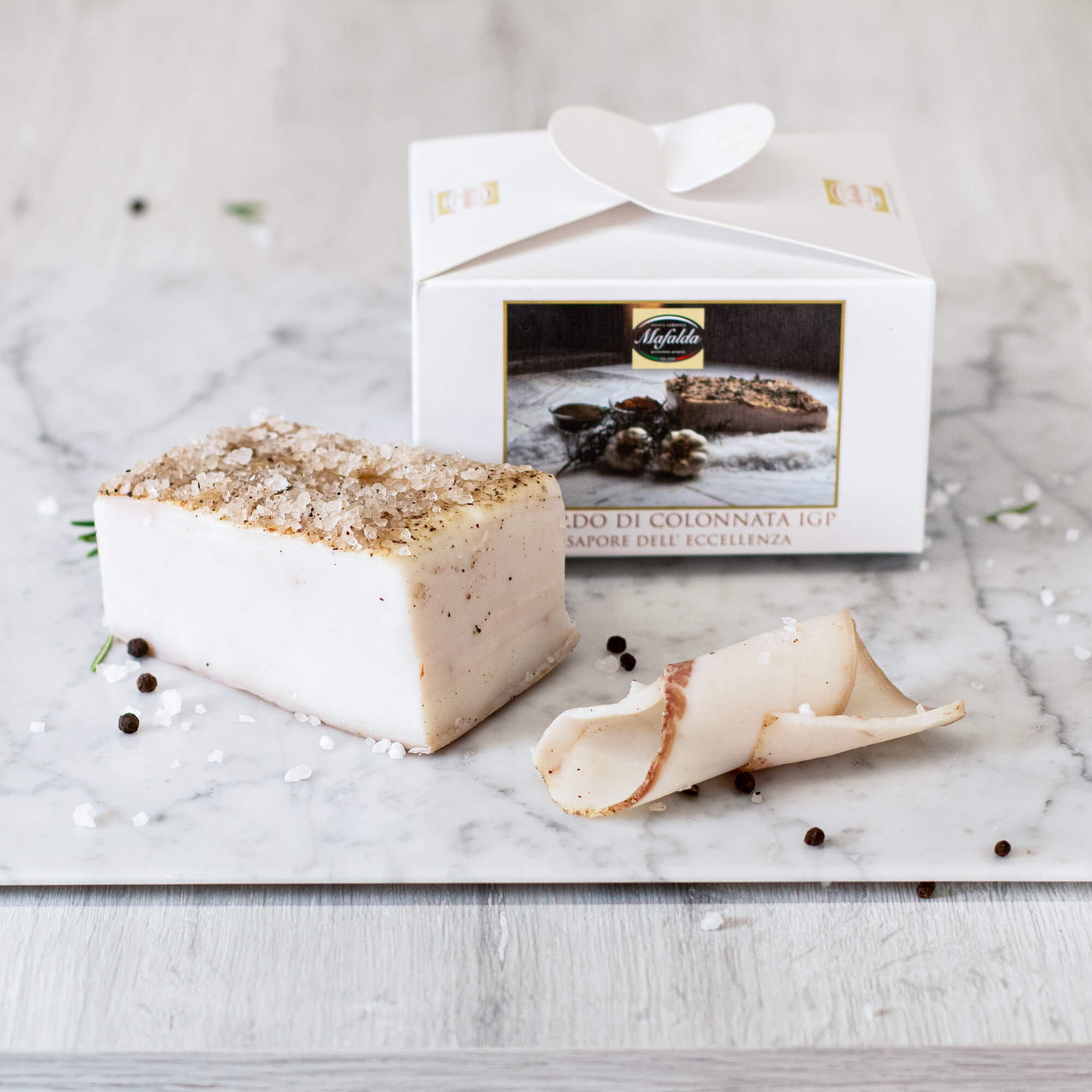
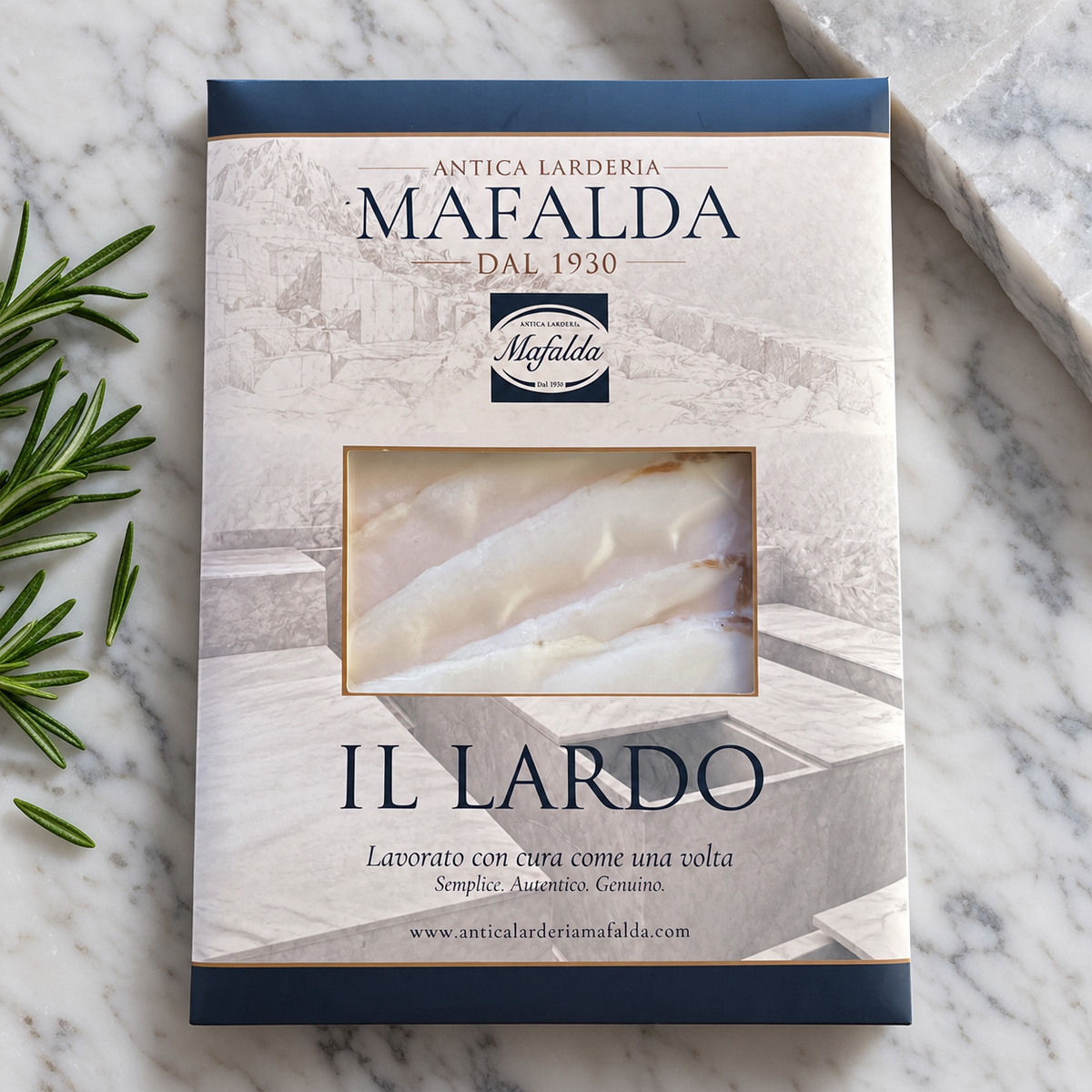
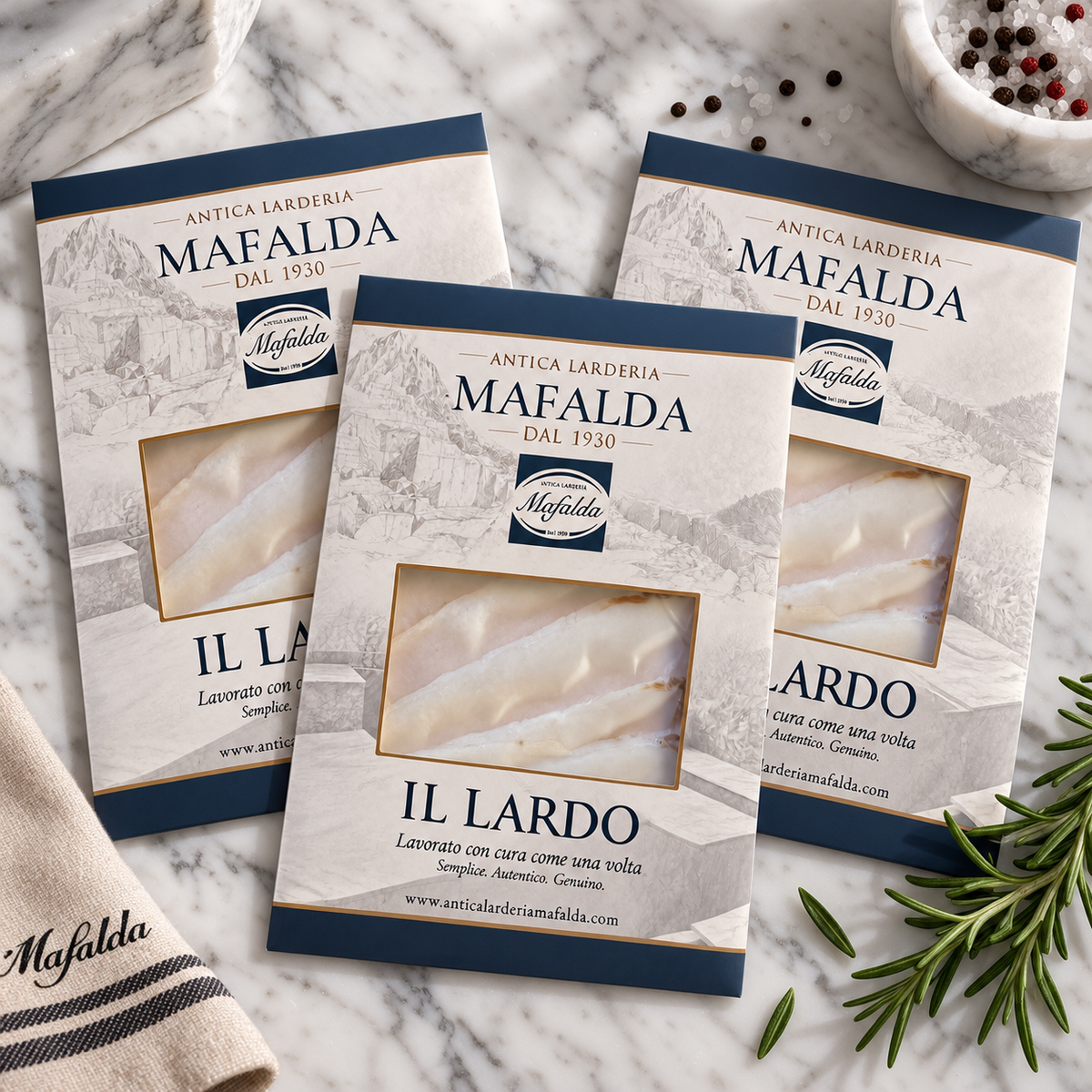
Lardo di Colonnata PGI is aged in Carrara marble basins , hollowed-out and smoothed tanks filled with alternating layers of lard, sea salt, aromatic herbs, and spices. Marble , thanks to its breathability, thermal inertia, and neutrality, creates an ideal microclimate : it maintains a constant temperature, promotes slow and even maturation, and does not release unwanted substances into the product.
In this way, Carrara marble, the same material used for works of art and luxury projects, also becomes a precious ally in the kitchen, contributing to the creation of one of Italy's most renowned cured meats . The history of Lardo di Colonnata and its basins is therefore also the story of the profound connection between a territory, its stone, and its traditions.
Choosing aCarrara marble object or tasting real Colonnata lardo means bringing a fragment of this history to the table and into your home : the strength of the Apuan Alps, the work of the quarrymen, the wisdom of the master larders, and the timeless beauty of a material that, for millennia, continues to be among the most prized in the world.


Leave a comment
This site is protected by hCaptcha and the hCaptcha Privacy Policy and Terms of Service apply.